The White House recently unveiled a significant science initiative package valued at over $6 billion, emphasizing advancements in fields like artificial intelligence (AI), quantum technology, and virtual biology. The announcement, made at a summit in Washington, aims to reshape research support in biomedicine, computing, energy, and space.
Key Components of the Initiative:
-
AI Computing Resources:
- A notable $2.4 billion commitment from 11 technology firms for AI tools and computing credits, principally for the Genesis Mission Consortium, which will assist multiple federal agencies tackling national science challenges.
-
Virtual Biology Initiative:
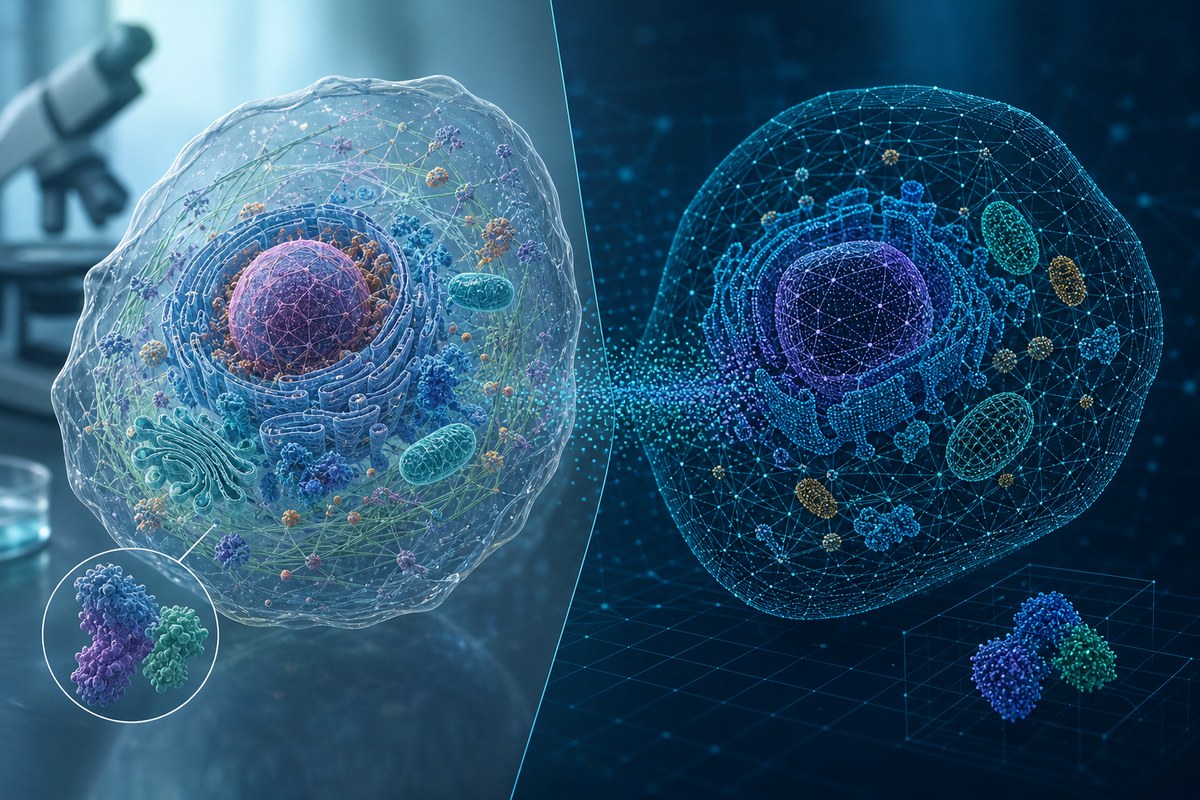
- A $1.8 billion effort involving the National Institutes of Health and other organizations to create digital models of biological systems. This project seeks to understand diseases and potential treatments through data-driven simulations, though concrete clinical outcomes are yet unreported.
-
Quantum Technology:
- The initiative includes the Department of Energy’s Quantum Genesis Q Competition, leveraging up to $215 million for teams working on fault-tolerant quantum computers. The National Science Foundation has also announced two $33 million prize competitions related to quantum applications and multicellularity.
-
Broader Science Infrastructure:
- Commitments from various entities aim to connect researchers with national laboratory capabilities, cloud computing resources, and educational training efforts.
Nature of Funding:
While the total package is impressive, it largely aggregates commitments from various sectors rather than new federal funding. The distinction between these support mechanisms—actual cash grants versus resources like AI credits—can impact research feasibility and progress.
Challenges Ahead:
The ambitious goals hinge not just on investments but also on the effective implementation of resources and validation of scientific outcomes. Future successes in these initiatives will require rigorous data governance, appropriate eligibility for researchers, and comprehensive validation of new models against real-world data.
This initiative represents a multifaceted approach to enhance scientific research, although outcomes and practical impacts will emerge over time, with a focus on improving biomedical innovation over the next few years.


