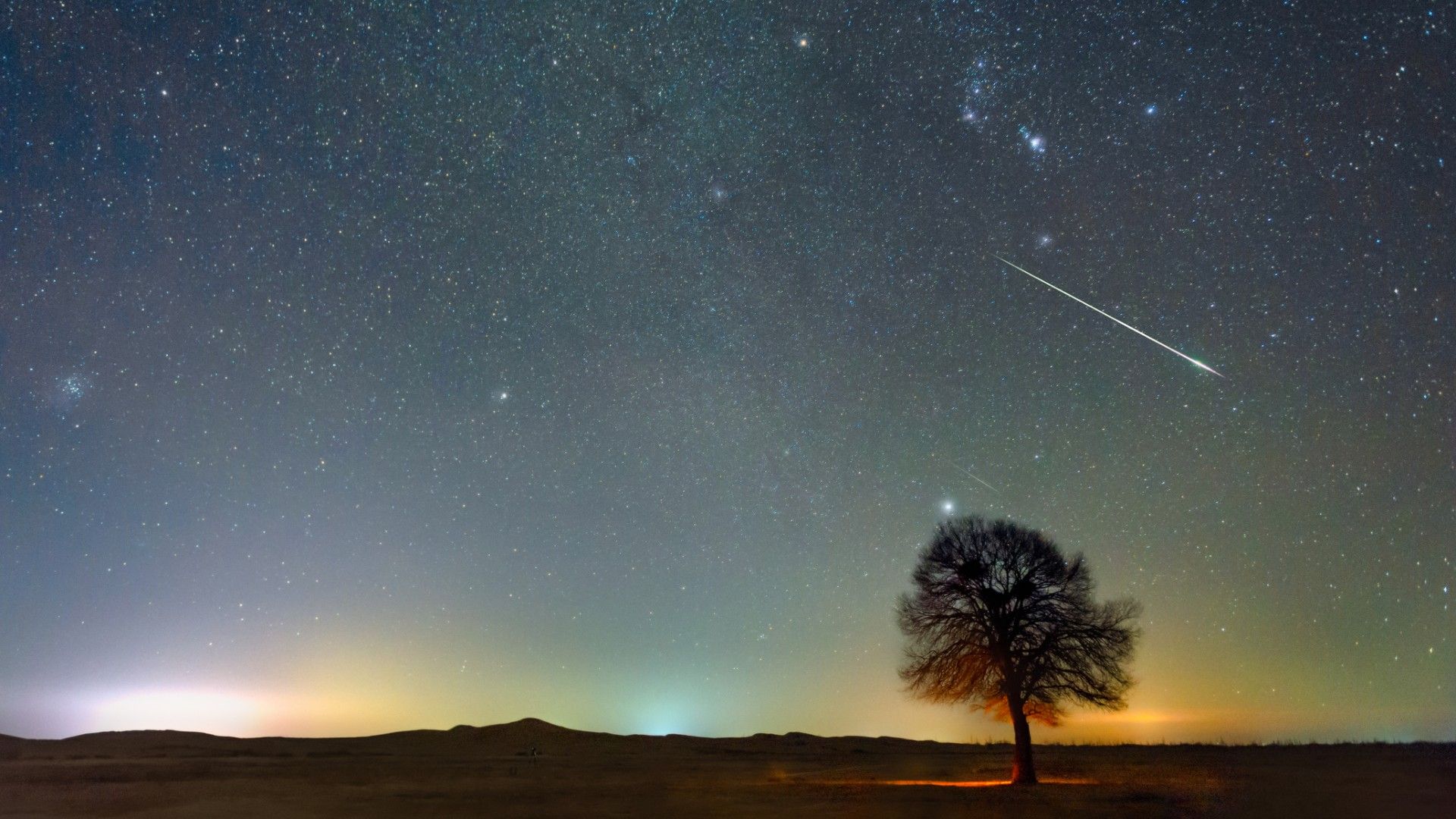
Discovering Orion in the Night Sky
Orion, one of the most recognizable constellations, is easily identified by its three aligned stars—commonly known as the Belt—along with the prominent stars Betelgeuse and Rigel. However, the orientation of Orion can vary throughout the year, leading to some unexpected observations.
The Mystery of Orion’s Orientation
One evening, under the autumn sky, I mistook three bright stars rising in the east for Orion’s Belt. They appeared at an odd angle, causing confusion. My familiar image of Orion clashed with the actual sky; the constellation seemed to be tilted. This experience highlighted that while we often rely on diagrams to understand constellations, the sky’s reality can differ significantly. Watching Orion rise can provide an engaging lesson on celestial motion, illustrating how our perspective shifts as the Earth rotates.
Viewing Orion in October
In mid-October, Orion’s appearance can be particularly fascinating. From North America, you’ll want to look low in the east shortly before midnight. The stars of the Belt—Mintaka, Alnilam, and Alnitak—will rise individually, accompanied by Betelgeuse and Bellatrix, with Rigel appearing last. Be patient; buildings and trees may obscure your view at first, but waiting will reveal the constellation in its full glory.
As Orion ascends, the familiar shape becomes apparent, taking on the recognizable form many of us know from winter nights. By sunrise, the Belt will have shifted to a sloped position, surrounded by the characteristic rectangle formed by its corner stars.
Observing the Sky’s Motion
It’s essential to remember that Orion isn’t moving through space in a way that suggests physical rotation. Rather, the Earth’s rotation creates the illusion of stars rising in the east and setting in the west. Observing this change is best demonstrated with Orion, given its iconic shape.
Personal Stargazing Plans
This October, I plan to document Orion’s rise through astrophotography. I’ll capture a series of 30-second images as the Belt appears just above the horizon. By stacking these images, I intend to create a star trail that highlights Orion’s ascent.
Events in the Sky: October 9-15, 2026
The week of October 9-15 presents excellent stargazing conditions, coinciding with a new moon on October 10. This period is ideal for observing the autumn sky without interference from moonlight.
Look for Mars near the Beehive Cluster in the early hours of Sunday, October 11. Later in the week, the crescent moon will appear close to Mercury on October 13 and to Antares on October 14, visible low in the southwest at dusk.
Additionally, Saturn will become a significant feature in the evening sky. Following its opposition on October 4, it will be visible most of the night, offering striking views of its rings even without a telescope.
Exploring Andromeda
After observing Orion, shift your focus to the constellation Andromeda. Easily spotted from the northeastern corner of the Great Square of Pegasus, Andromeda provides a pathway to locate the Andromeda galaxy (M31). Under dark skies, M31 can be seen as a faint patch, but binoculars significantly enhance the viewing experience, revealing its bright central region.
Conclusion
October offers a rich opportunity to engage with the night sky, from the mesmerizing rise of Orion to the celestial wonders of Andromeda. Whether through direct observation or astrophotography, there’s much to learn from our cosmos.


