Surge in Dengue Fever Cases in Florida
Florida is experiencing a significant outbreak of dengue fever, with 497 reported cases this year, including 252 local infections – about 51% of the total. This increase has led several counties to declare states of emergency. The recent outbreak also saw the state recording its first dengue-related death in almost a century, highlighting the severity of the situation.
Understanding Dengue Fever
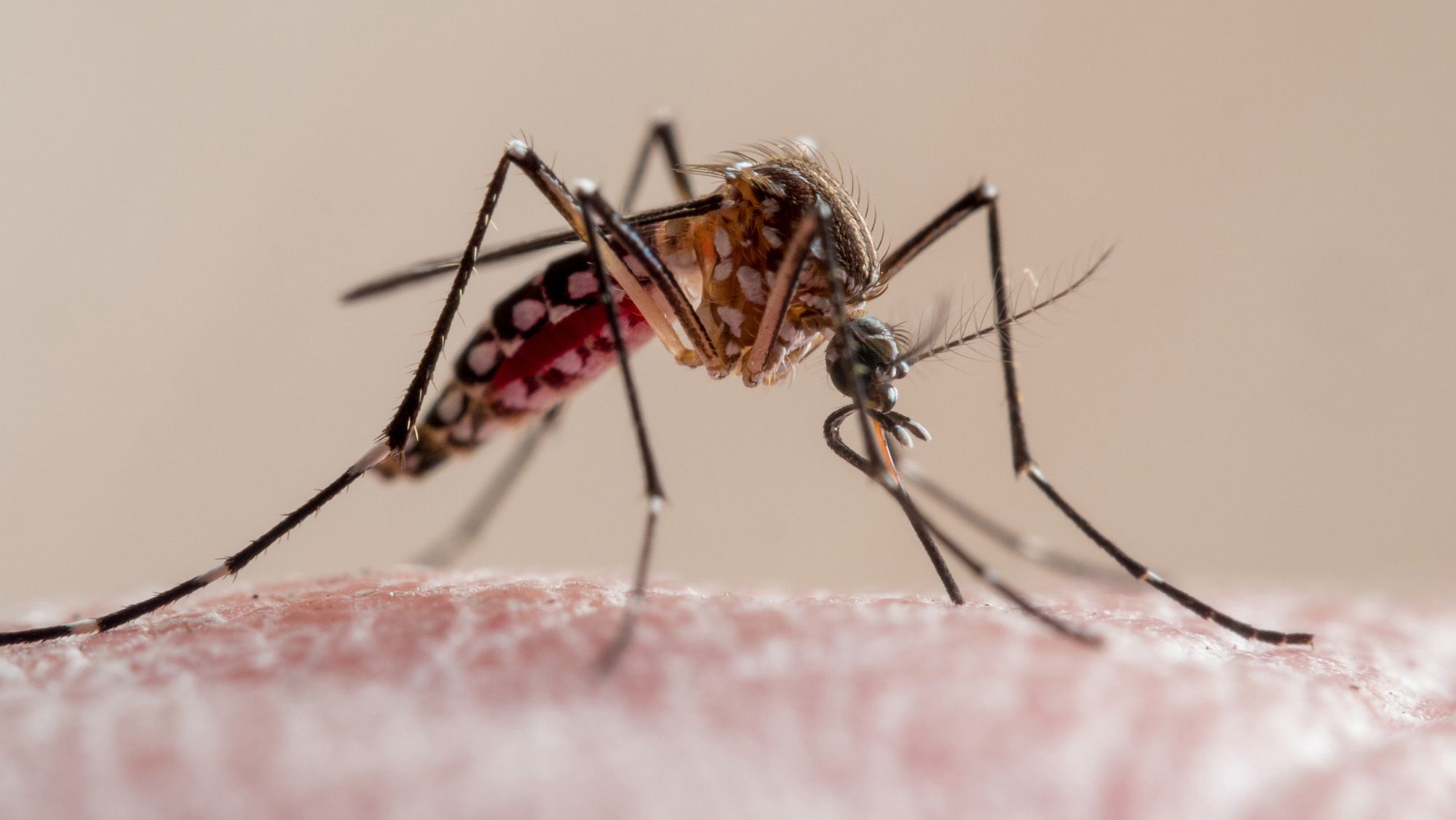
Dengue fever is caused by the Orthoflavivirus denguei virus, transmitted by Aedes aegypti and Aedes albopictus mosquitoes. It’s notable that dengue does not spread from person to person; it spreads solely through mosquito bites. In the past, most dengue cases in Florida were linked to international travel. Still, this year locally acquired cases have surged, suggesting a shift in transmission dynamics.
Factors Contributing to the Outbreak
Experts believe several factors are driving the spike in cases:
- Climate Change: Rising temperatures expand the habitats of dengue-carrying mosquitoes, increasing the likelihood of virus transmission.
- Precipitation Patterns: Changes in rainfall may create favorable conditions for mosquito breeding.
- Drought Conditions: Ironically, Florida’s current drought could paradoxically promote dengue transmission by creating artificial breeding sites around homes due to increased irrigation.
- International Travel Resurgence: Renewed travel following COVID-19 lockdowns likely introduced infections back into the local mosquito population.
Local Implications
This year’s outbreak predominantly affects Hillsborough County, which has reported the majority of local cases. Previously, Florida’s dengue cases were concentrated in southern areas, with northern regions relatively insulated. The health department has confirmed 20 pools of mosquitoes testing positive for dengue across multiple counties, predominantly from the Tampa area.
Public Health Recommendations
To control the outbreak, public health officials emphasize:
- Mosquito Control Efforts: Coordination between government bodies to effectively target areas for mosquito treatment is crucial.
- Personal Protective Measures: Residents are advised to use mosquito repellent and eliminate standing water around homes to reduce breeding sites.
- Awareness and Education: Raising awareness about dengue fever symptoms and prevention strategies is essential.
Conclusion
With the backdrop of a potentially wetter winter due to El Niño, Florida residents may see increased mosquito populations and a continuing threat of dengue fever. Health officials stress the importance of vigilance and community engagement to combat this rising health concern.


