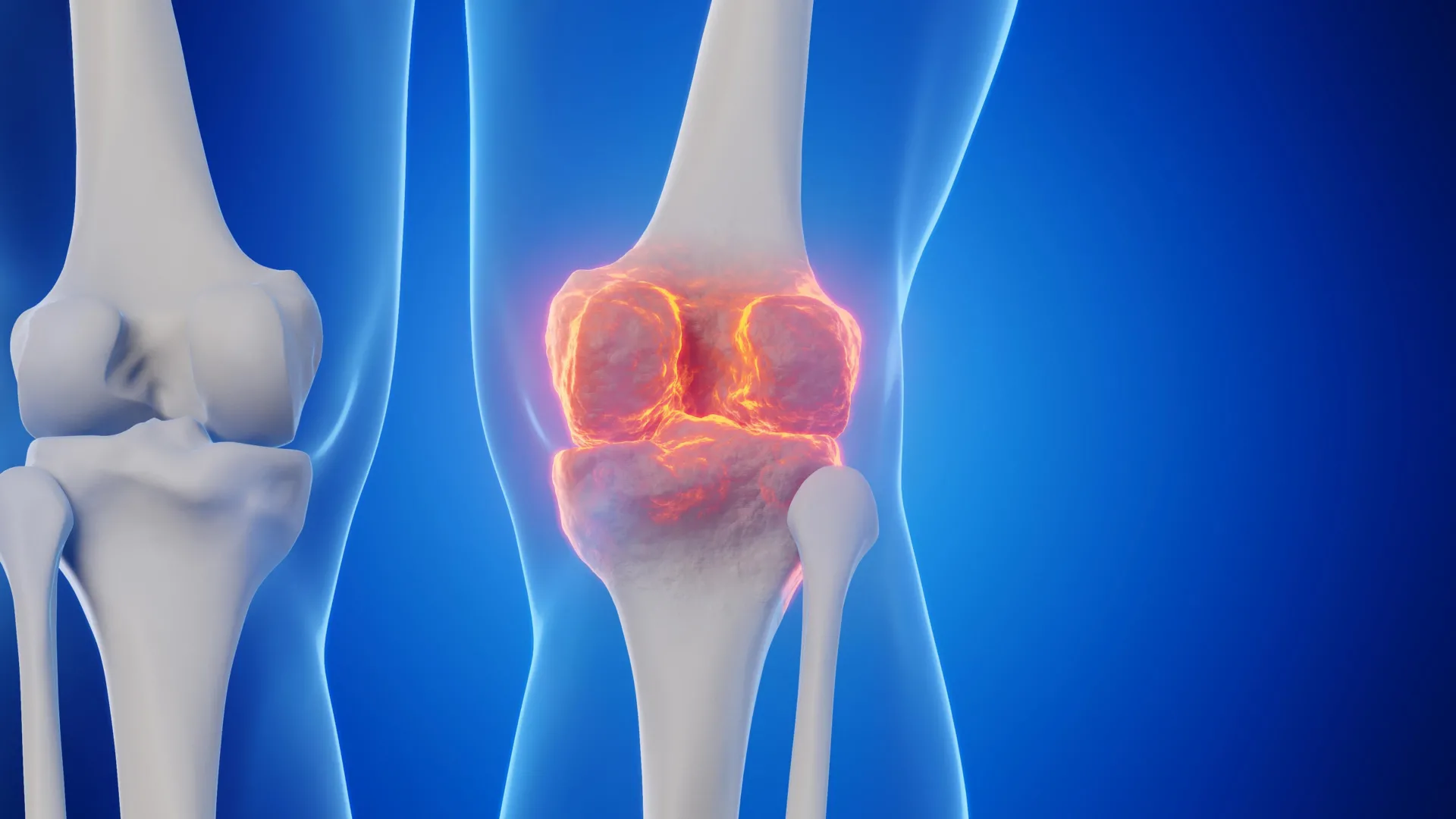
Scientists have discovered a promising method to restore cartilage in aging knee joints in mice by inhibiting a protein called 15-PGDH, which increases with age. This treatment not only reversed cartilage loss but also protected against arthritis after knee injuries.
In studies, human cartilage samples showed similar regeneration ability when exposed to the 15-PGDH inhibitor. This research suggests that cartilage, even in old age or under arthritic conditions, may possess a greater capacity for repair than previously thought. If proven effective in humans, this could lead to medications that regenerate cartilage, reducing the need for joint replacement surgeries.
Understanding Osteoarthritis
Osteoarthritis, a degenerative joint disease affecting about one in five adults in the U.S., results in cartilage breakdown, leading to pain and reduced mobility. Current treatments primarily manage symptoms, with no drugs available to effectively reverse the disease. The research targets 15-PGDH, a protein linked to aging that may limit tissue function.
The Role of 15-PGDH
The protein 15-PGDH regulates levels of prostaglandin E2, which is crucial for tissue regeneration. The study demonstrated that increased levels of this protein in aging mice correlated with cartilage deterioration. By using a small molecule drug to inhibit 15-PGDH, researchers observed significant cartilage recovery in older mice.
Findings from Mouse Experiments
Two methods of administration (abdominal injection and direct knee joint delivery) were tested, both leading to noticeable cartilage regeneration—especially of the important hyaline cartilage. This regeneration exceeded results reported from previous treatments.
Impact on ACL Injuries
The same treatment showed promise in preventing osteoarthritis after simulated ACL injuries in mice, suggesting a proactive approach to joint health post-injury.
Gene Activity Shift
Treatment led to a shift in gene expression in chondrocytes (cartilage cells), moving toward a more youthful state, thus enhancing cartilage health without relying on stem cells.
Promise for Human Applications
Human cartilage samples from osteoarthritis patients also displayed positive responses to the 15-PGDH inhibitor, with reduced signs of degradation and early signs of cartilage regeneration.
While significant hurdles remain before clinical applications—such as extensive trials to ensure safety and efficacy—the research holds potential for developing effective treatments for those suffering from cartilage damage and osteoarthritis.
If successful, future treatments could involve an oral medication or injection to restore cartilage health, revolutionizing the approach to joint degeneration and repair.


