This article explores the controversial practice of human sacrifice in ancient Egypt, particularly in relation to the burials of First Dynasty rulers. Initially, British Egyptologist Flinders Petrie unearthed numerous graves around royal tombs in the 1920s, leading him to hypothesize that these individuals might have been sacrificed to accompany their kings in the afterlife. However, a lack of evidence surrounding the causes of death left this theory open to doubt.
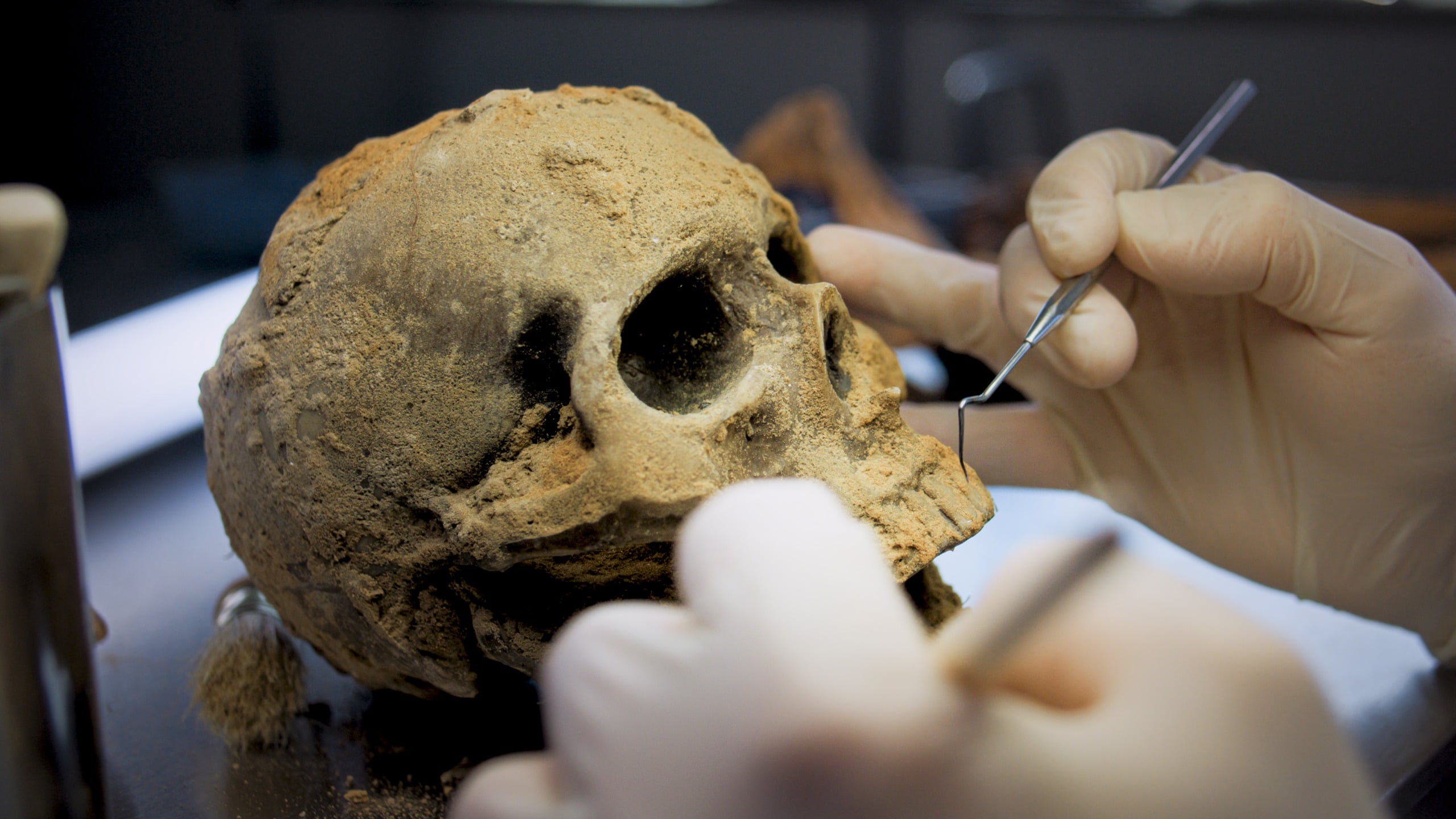
Recently, archaeologist Roselyn Campbell from Purdue University revisited Petrie’s findings using modern forensic methods. She discovered that 18 of 46 preserved skulls exhibited potentially lethal injuries, such as linear fractures and sharp force trauma, indicating many of these individuals may have been murdered rather than dying from natural causes.
Some graves contained artifacts suggesting a status for the buried individuals, often lower- or mid-level officials or artisans, pointing toward a complex burial practice. Campbell’s research lends additional support to the notion that retainer sacrifice occurred in early Egyptian culture. She posits that some may have volunteered for such a fate while others were likely compelled.
Ultimately, Campbell’s work indicates that the practice of sacrifice may have begun much earlier than previously thought, emphasizing the importance of reanalyzing historical data using updated techniques to reveal new insights into ancient practices. The findings were published in Frontiers in Environmental Archaeology.


