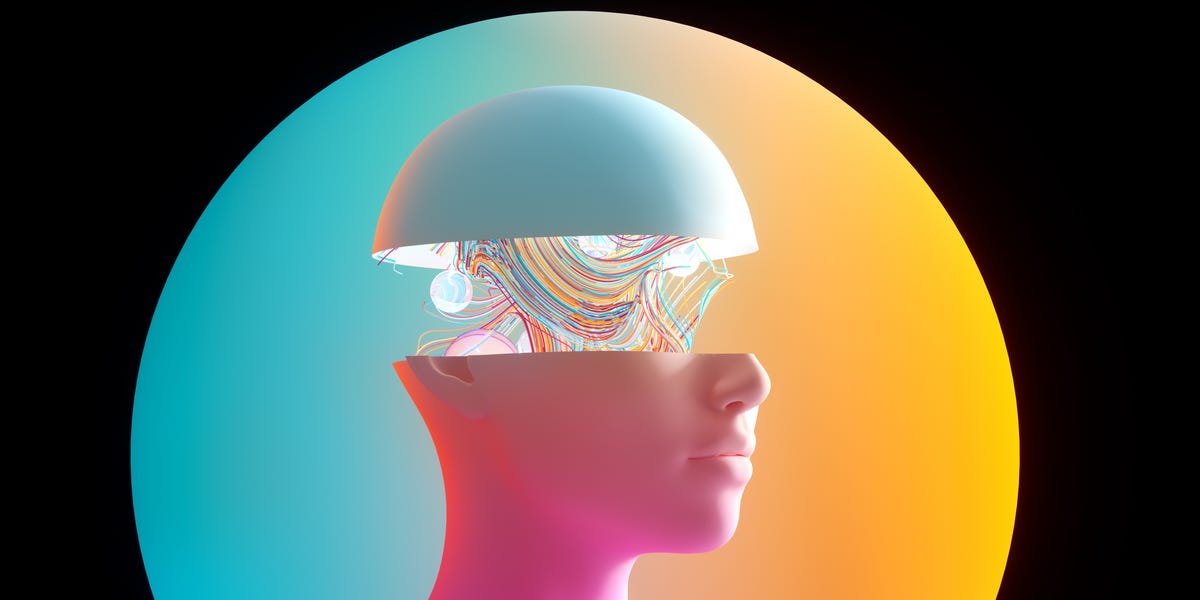
Exploring Consciousness: A Journey into the Brain
Key Takeaways
- Origins of Consciousness: MIT researchers suggest that neurological structures for consciousness appeared in vertebrates about 500 million years ago.
- Deep Brain Structures: Key areas like the thalamus and medulla may reveal the foundations of basic conscious experiences, such as thirst.
- Mapping Consciousness: Utilizing transcranial focused ultrasound (tFUS), scientists aim to locate conscious experiences in the brain accurately.
Understanding Consciousness
Our quest to understand consciousness has persisted since ancient times. Current insights from researchers at MIT propose that defining consciousness sheds light on its origins and mapping. According to Daniel Freeman, one of the scientists, traditional views link consciousness with cognition and complex thought, suggesting that without certain brain structures, conscious experience would be nonexistent.
Conversely, others argue that consciousness might relate to metacognition—self-awareness. This viewpoint implies that beings like fish, which lack higher brain structures, experience a more rudimentary form of existence.
The Neural Blueprint
The MIT team, however, introduces an alternate perspective: 500 million years ago, early vertebrates established critical neural pathways in their deep brains, laying the groundwork for conscious experiences. All vertebrates inherit similar brain structures, leading researchers to believe they can chart specific conscious experiences based on shared neural configurations.
Tools for Exploration
Transcranial focused ultrasound (tFUS) has emerged as a vital technique in this exploration. Unlike traditional neuron stimulation methods that require surgical intervention, tFUS allows low-level ultrasound to target areas deep within the brain non-invasively. This enables researchers to engage with awake patients and identify their conscious experiences in real-time.
During experiments, stimulation of certain brain regions evokes acute feelings of motivation and profound emotional responses, showcasing stark contrasts between experiences from deep brain stimulation versus cerebral cortex stimulation.
Unique Findings and Insights
One of the findings from a Stanford study revealed that stimulating the hypothalamus elicits powerful emotions, helping to pinpoint where specific feelings are generated in the brain. Notably, damage to certain hypothalamic cells can completely eliminate sensations like thirst, illustrating the complex interplay between various brain structures in conscious awareness.
Freeman posits that our human experience of thought and reflection arises from a blend of these primal conscious experiences, rooted deep in the brain but influenced by higher cognitive processes.
Broader Implications
Although Freeman’s view is not universally held, other research teams have also identified potential consciousness markers in deep brain regions. Notably, scientists at Ludwig-Maximilians-University Munich discovered rapid neural oscillations linked exclusively to waking and REM sleep, which could signify conscious activity.
Questions Remain
The exploration leads to complex inquiries surrounding invertebrate consciousness, such as that seen in octopuses, which lack traditional brain structures yet exhibit intelligent behaviors. Their ability to navigate complex environments raises questions about alternative consciousness forms that may exist in different biological architectures.
Moving Forward
Freeman’s team remains focused on mapping the conscious experiences of vertebrates, making strides toward a better understanding of consciousness, while acknowledging the fascinating complexities of invertebrate cognition.
As we push the boundaries of understanding, the exploration of consciousness remains a vast field of intrigue, bridging biology, psychology, and philosophy, inviting ongoing inquiry and discovery.


