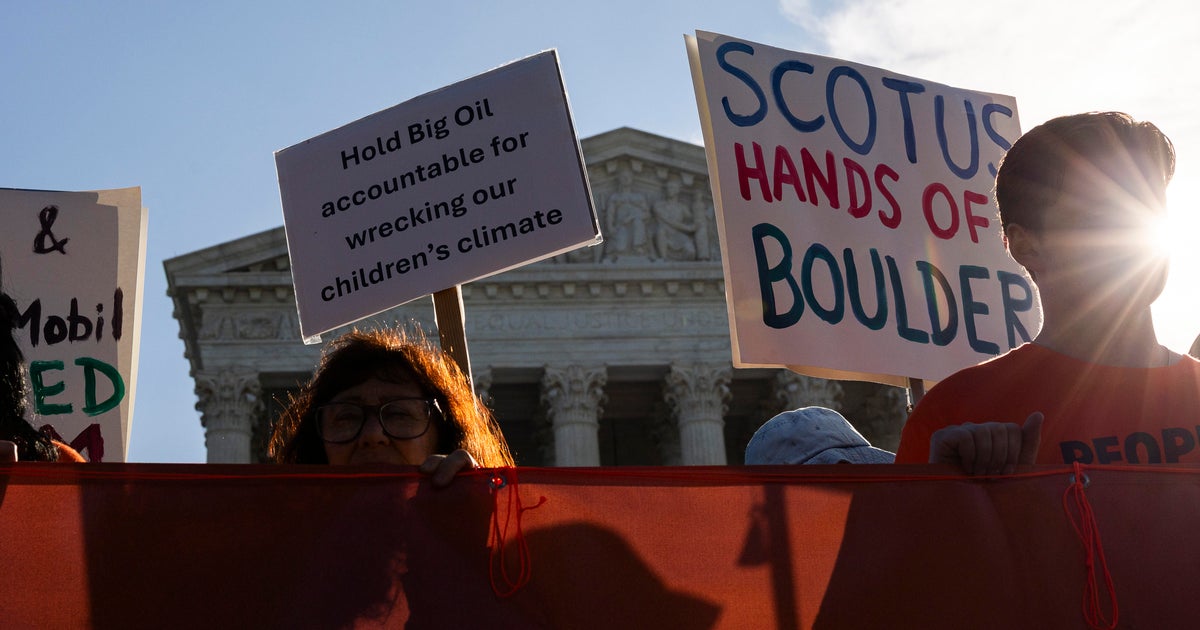
The Supreme Court recently heard arguments in Suncor Energy v. Commissioners of Boulder County, a significant climate litigation case. Boulder, Colorado, is attempting to hold energy companies Exxon and Suncor accountable for their contributions to climate change, which have reportedly resulted in severe local impacts such as extreme heat and wildfires.
Key points from the arguments include:
-
Justice Alito’s Recusal: Justice Samuel Alito recused himself from the case due to potential conflicts of interest, leaving the court possibly deadlocked at 4-4, which would uphold the Colorado Supreme Court’s decision in favor of Boulder.
-
Case Background: Boulder’s lawsuit, which was initiated in 2018, hinges on state law claims regarding the deceptive practices of the companies. The energy firms argue the issues fall under federal jurisdiction, particularly the Clean Air Act.
-
Federal vs. State Authority: Justices like Brett Kavanaugh indicated that historical precedents affirm that air and water pollution are federal matters. Conversely, Boulder contends that states can seek tort remedies for local injuries caused by actions occurring outside their borders.
-
Potential Implications: The outcome could pave the way for a spate of similar lawsuits across the country, potentially reshaping national energy policies.
-
Conclusion: The court’s decision is anticipated by summer 2027, and the discussions reflect ongoing tensions between state and federal jurisdiction concerning environmental regulation and corporate accountability.


