The Impact of Sputnik 1
The launch of Sputnik 1 on October 4, 1957, marked a significant milestone in human history, igniting the space age and a new chapter in technological and scientific advancement. While this achievement was celebrated globally, it invoked fear in the United States, primarily due to the geopolitical tensions of the time.
The Significance of Sputnik 1
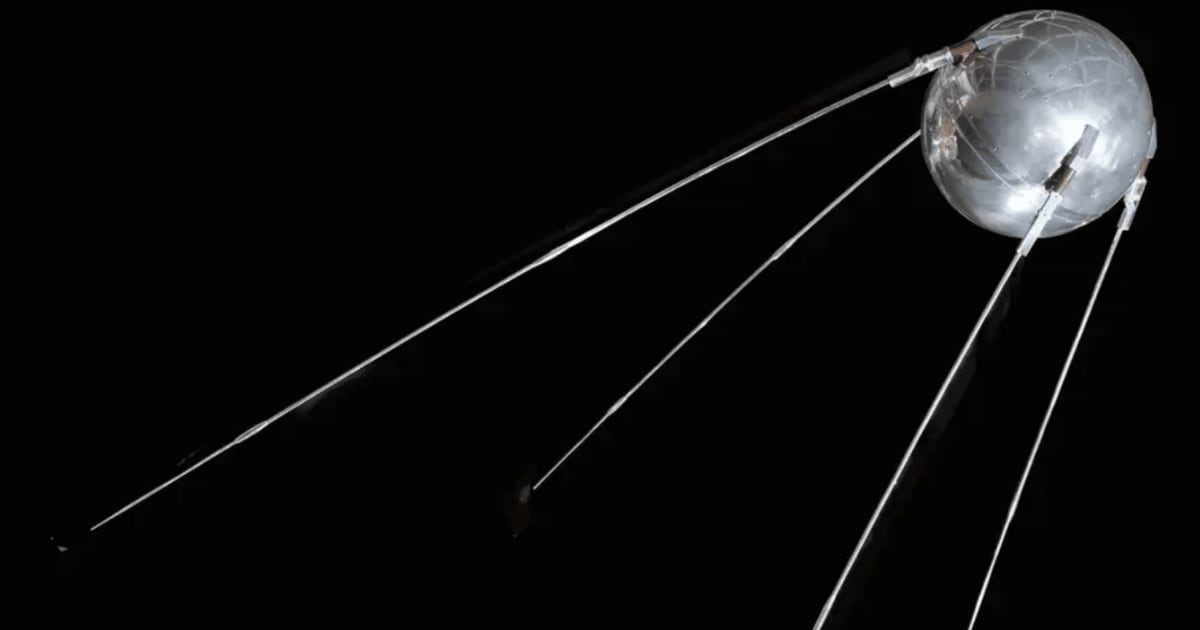
Sputnik 1, the world’s first artificial satellite, was a 22-inch metal sphere equipped with four antennas that transmitted beeping sounds back to Earth. Its successful launch led to the establishment of NASA in 1958, as the United States recognized the need for a coordinated civil space program in response to Soviet advancements.
The Global Reaction
The U.S. government’s reaction to Sputnik 1 was a mix of fear and urgency. President Dwight D. Eisenhower was concerned that if the Soviet Union could launch satellites, they could also deploy nuclear weapons. This led to increased funding for U.S. space initiatives, including the Explorer program, as well as heightened military focus on missile defense.
The Aftermath and Ongoing Legacy
Following Sputnik 1, the United States faced several challenges in its space endeavors. The Vanguard project saw multiple failures, while on January 31, 1958, the U.S. successfully launched Explorer 1, which contributed to the discovery of the Van Allen radiation belts.
The ripple effects of Sputnik continued to be felt, driving innovations that led to human spaceflight and missions, including the Apollo moon landings. Even today, the legacy of Sputnik influences ongoing deep-space missions and explorations, highlighting its transformative role in space history.
Conclusion
Sputnik 1 not only represented a technological triumph for the Soviet Union but also reshaped U.S. policy and priorities, ultimately kickstarting an era of remarkable achievements in space exploration. The story of Sputnik remains a pivotal reminder of the intersection of science, geopolitics, and human curiosity in the quest for knowledge beyond our planet.


