The article discusses significant findings related to the last ice age, its lasting impacts, and recent advancements in ice core research. Key points include:
-
Duration and Impact of the Ice Age: The last ice age spanned from approximately 120,000 to 11,500 years ago, leaving lasting effects on ecosystems, notably in the Midwestern United States.
-
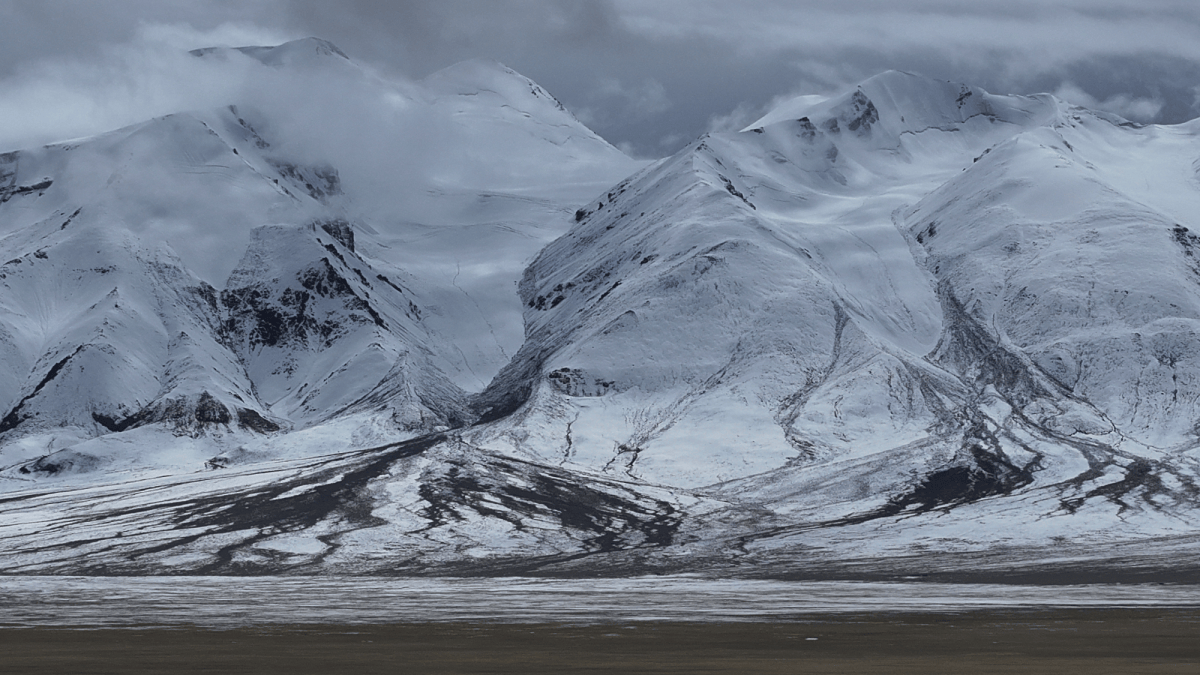
Old Ice Cores in Tibet: Researchers analyzed ice fragments from the Guliya Plateau in Northwestern Tibet, extending Earth’s glacial record by over 100,000 years. Ice cores serve as crucial climate archives, permitting insights into past climate patterns.
-
Research Methodology: The study compared ice cores from two different years (1992 and 2015), revealing consistent environmental signals. Advanced dating techniques, including the measurement of radioactive isotopes, were employed to determine the cores’ ages.
-
Significance of Findings: The Guliya ice cores may date back over 128,000 years, making them invaluable as they represent one of the few non-polar ice records from that era. This research could reshape understanding of glacial persistence and climate dynamics.
-
Implications: Findings suggest that previous timelines regarding the presence of ice in Tibet during the Holocene were incorrect. The study underscores the importance of accurate timescales for interpreting climate data.
-
Future Directions: Continued analysis of these samples could provide critical insights into other climate indicators, enhancing our understanding of historical and current environmental changes.
In summary, this research highlights the critical role of ice cores in reconstructing climate history and understanding Earth’s environmental past.


