NASA’s Science Mission Directorate (SMD) has initiated its latest Science Activation projects as part of the ROSES-25 solicitation, awarding approximately $23 million to 24 distinct organizations. This initiative aims to broaden public engagement with NASA science through collaborative efforts across the nation.
Key Features of Science Activation:
-
Authentic Participation & Open Science: Programs focus on hands-on research and community science that empowers individuals to harness NASA data.
-
Developing the Future STEM Workforce: Initiatives emphasize skills like AI, data analysis, and engineering—vital for both NASA missions and the commercial space sector.
-
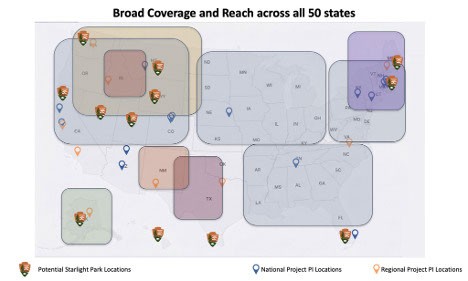
National Reach & Community Partnership: Projects aim to engage diverse learners by forming partnerships and utilizing digital platforms, reaching people of all ages throughout all 50 states and territories.
Project Categories:
-
Regional Network Projects: Target localized engagement efforts.
- Examples include:
- Arctic LENS: Utilizing Earth science data for local challenges in Alaska.
- NASA Starlight Parks Network: Collaborating with national parks to enhance science programming.
- Examples include:
-
National Portfolio Projects: Focus on broader, scalable initiatives.
- Examples include:
- ARK: A project leveraging remote sensing for citizen-driven polar science.
- Tactile Opportunities for Understanding Cosmic Horizons (TOUCH): Creating 3D models to help students grasp complex science concepts.
- Examples include:
For further details on the Science Activation program and its broader impacts, visit NASA’s Science Activation page.


