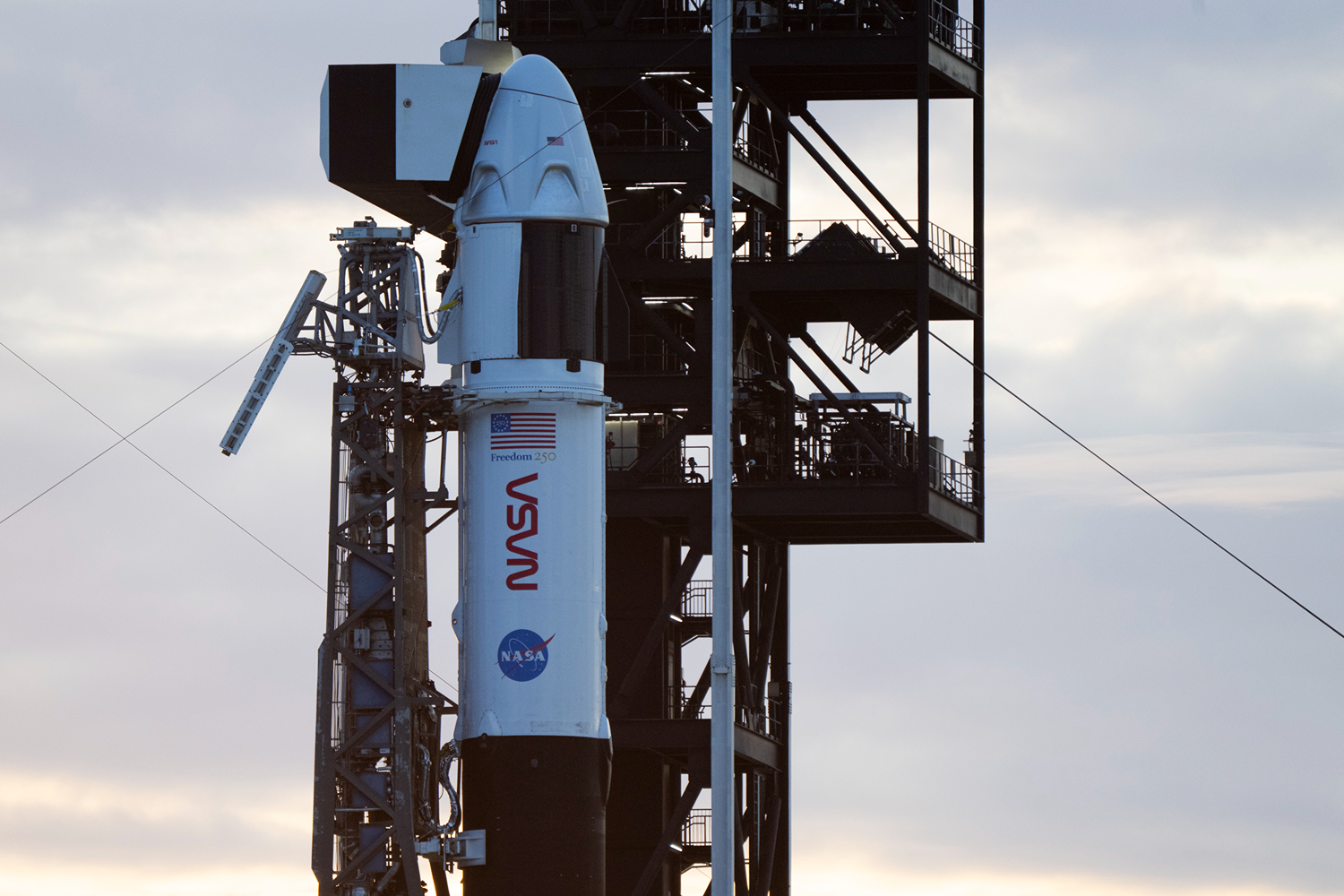
The commercial space market is experiencing significant growth, transitioning from a government-led industry to a thriving ecosystem of companies involved in satellite and rocket development. SpaceX has played a pivotal role in this transformation, dominating the launch capacity landscape with its Falcon 9 rocket, which has achieved nearly 700 launches and boasts a success rate exceeding 99%. Despite these successes, SpaceX’s recent announcement to phase out rideshare missions by 2028 raises concerns about future access to affordable launch options for many companies, particularly in the commercial sector.
As the industry prepares for this shift, alternatives are being explored. Blue Origin faces challenges with its New Glenn rocket following a launchpad explosion, and the United Launch Alliance (ULA) has been criticized for reliability issues. European competitors like Arianespace are similarly constrained by limitations such as non-reusable rockets.
Emerging companies like Isar Aerospace and Stoke Space are attempting to fill the gap, but building sufficient launch capacity is a time-consuming and costly process. With SpaceX’s departure from rideshare missions, the future landscape remains uncertain, raising questions about the sustainability of the commercial space sector and its intertwined relationship with government operations. Without SpaceX’s cost-effective solutions, the future viability of many players in the space industry is now in question.


