Texas A&M’s Barbecue Course Faces Rising Costs
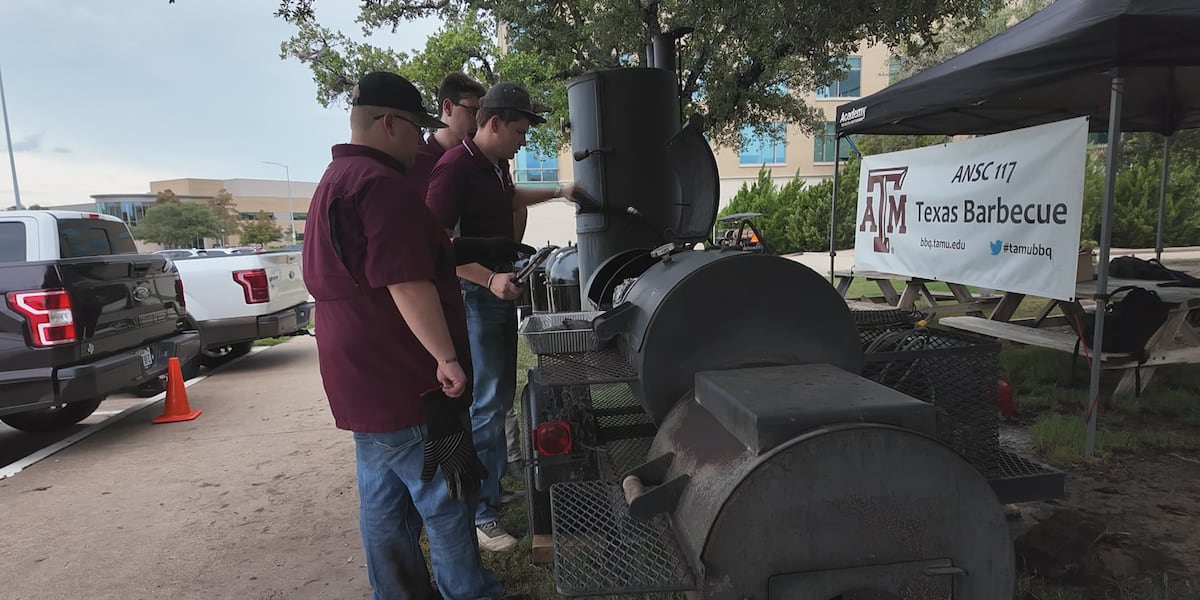
COLLEGE STATION, Texas (KBTX) – By 6 a.m. Friday, students and instructors at Texas A&M’s Rosenthal Meat Science and Technology Center were already busy preparing over 36 racks of ribs for the Texas Barbecue Course. This hands-on experience has long introduced generations of Aggies to the barbecue industry.
Meat specialist Davey Griffin mentioned that they were serving nearly 200 people with a menu featuring beef short ribs and pork ribs, prepared by freshmen alongside returning student teaching assistants. However, the immersive experience, which is central to the program, is becoming increasingly costly.
“As we look at prices, especially on the beef side, we’ve seen prices double and triple since we first started this,” Griffin said.
Understanding the Price Surge
The current market reflects some cuts of beef exceeding $10 a pound nationally. According to livestock economist David Anderson from Texas A&M AgriLife, this price surge can be traced back to a significant contraction in the cattle herd, now at its lowest level since 1961.
“A major reason for this decline is drought, which hampers ranchers’ ability to rebuild their herds, despite high market prices,” Anderson explained. He added that rising costs, including interest rates and diesel prices, further complicate the scenario.
Local Impact and Adjustments
Though demand for beef remains high, local barbecue restaurants have been grappling with these increased prices by tightening margins and adjusting menus. Some have raised prices simply to survive in the current market. Similarly, Texas A&M’s meat science program is recalibrating its budget to accommodate these rising costs while ensuring students still experience a variety of beef cuts.
“We need to budget wisely to keep exposing students to different cuts and classes,” Griffin elaborated.
Looking Ahead
Despite the financial pressures, Griffin remains committed to the program’s mission. Each week introduces students to new lessons and proteins. However, Anderson cautions that rebuilding cattle herds will take years, not months, and the industry’s cyclical nature suggests consumers and students alike will continue to face challenges ahead.
For now, Griffin and his students focus on what they can control: completing this semester’s lineup, one cut at a time.
Copyright 2026 KBTX. All rights reserved.


