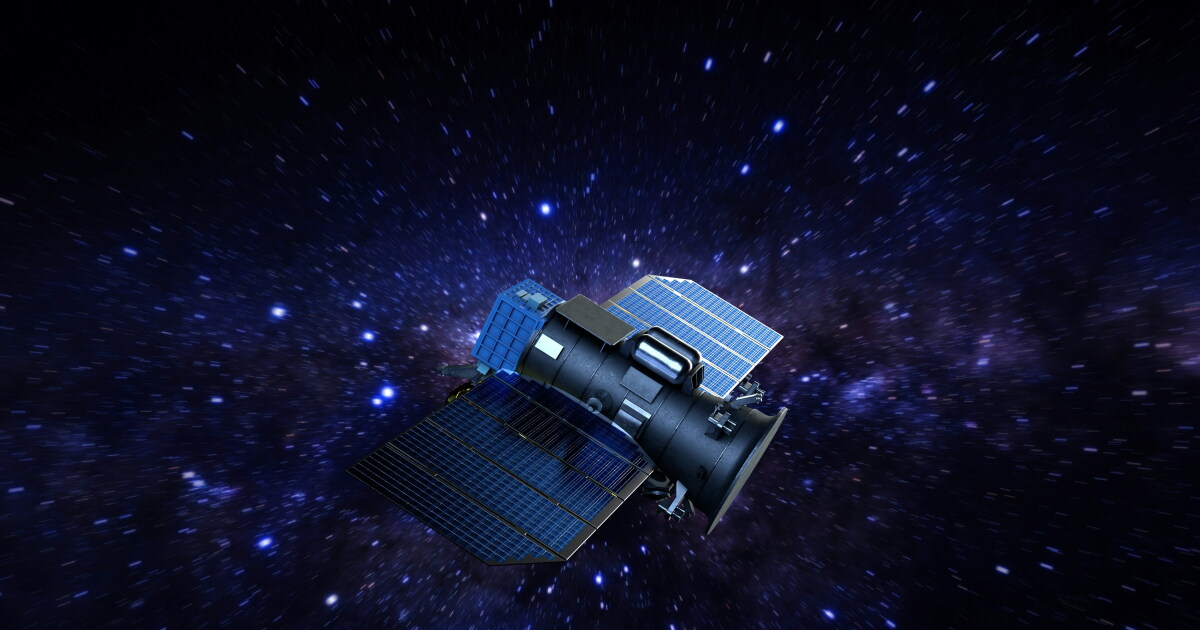
Google’s Project Suncatcher launched aboard a SpaceX Falcon9 rocket from California, marking a significant advancement for the company. This long-term research program aims to explore the feasibility of scaling AI infrastructure in space. The initial test will evaluate if Google’s machine learning processors can endure the journey to low Earth orbit.
The concept involves integrating AI compute hardware into satellites, which could decrease the energy demands of data centers. By positioning these satellites in low Earth orbit, Google hopes to harness “near-constant sunlight” and gain “eight times more solar power than on earth.” Eventually, there are plans to connect these solar-powered satellites into larger constellations.
However, concerns have been raised by Dr. Aaron Boley, a professor of astronomy, about the environmental impact of launching data center infrastructure into space. He highlighted that every ton sent into orbit could require ten to thirty tons of fuel, potentially releasing significant exhaust into the upper atmosphere.
Google isn’t the only player entering this space; this summer, SpaceX and Nvidia announced a partnership to create Starmind AI1, involving a proposed fleet of one million satellites. The Center for Space Environmentalism recently submitted a statement to the FCC, urging caution regarding the treatment of orbital data centers as standard telecommunications satellites.
Additionally, companies like TakeMe2Space and Varda Space Industries also sent hardware into low Earth orbit alongside Google, participating in SpaceX’s SmallSat RideShare Program, which highlights the increasing commercial interest in space computing and manufacturing.


