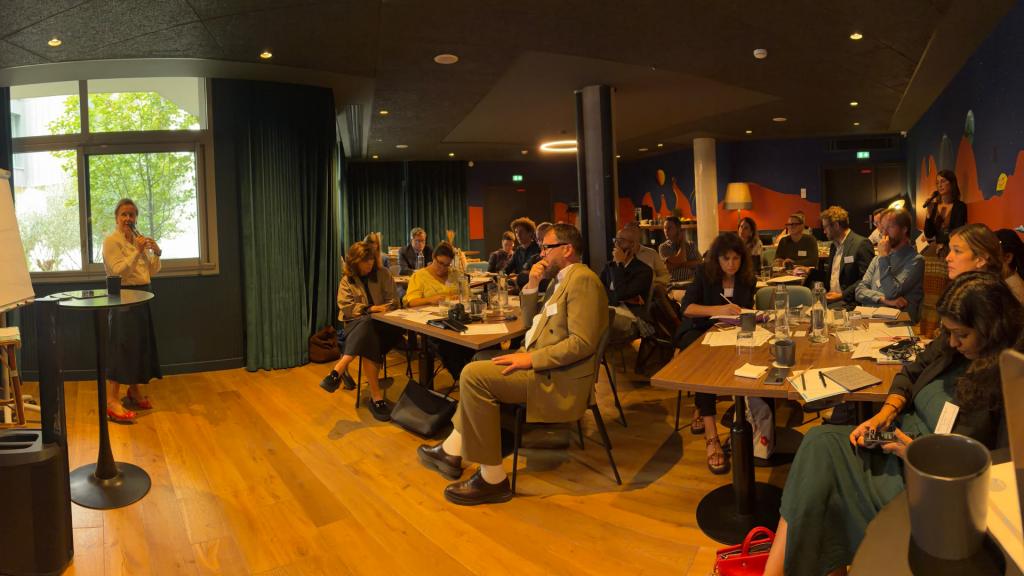
It seems you’ve shared a detailed article discussing the importance of “Open Heritage” and the need for a UNESCO Recommendation on it. The article outlines insights from a roundtable dialogue hosted by Creative Commons, emphasizing how equitable access to cultural heritage can address global challenges.
Key Points:
-
Open Heritage Significance: Open heritage is already practiced in various institutions, illustrated by the Qatar National Library’s digitization efforts. The aim is to increase participation in open heritage across more institutions globally.
-
Beyond Access: Open heritage fosters critical thinking and personal agency, allowing individuals to form their own interpretations of cultural narratives.
-
Living Heritage: Engaging with heritage in participatory ways can make it more relevant and connected to contemporary issues.
-
AI and Heritage: The rise of AI presents both challenges and responsibilities, necessitating discussions on equitable access and cultural representation.
-
UNESCO Open Family: A UNESCO Recommendation on Open Heritage could integrate heritage with existing frameworks for Open Educational Resources and Open Science.
-
Interconnectedness: Open heritage relates to various UNESCO initiatives, promoting a holistic approach to cultural preservation and access.
-
Foundations for Action: The groundwork for an Open Heritage Recommendation is already laid, addressing existing barriers to access.
-
Community Connections: Enhancing equitable access to heritage can foster intercultural dialogue and collaboration.
Next Steps:
The article calls for collective action among UNESCO Member States to forward this important initiative, highlighting the need to propose a Recommendation by 2027, ultimately seeking to finalize it by the 2029 General Conference.
Is there something specific you would like to focus on or explore further from this article?