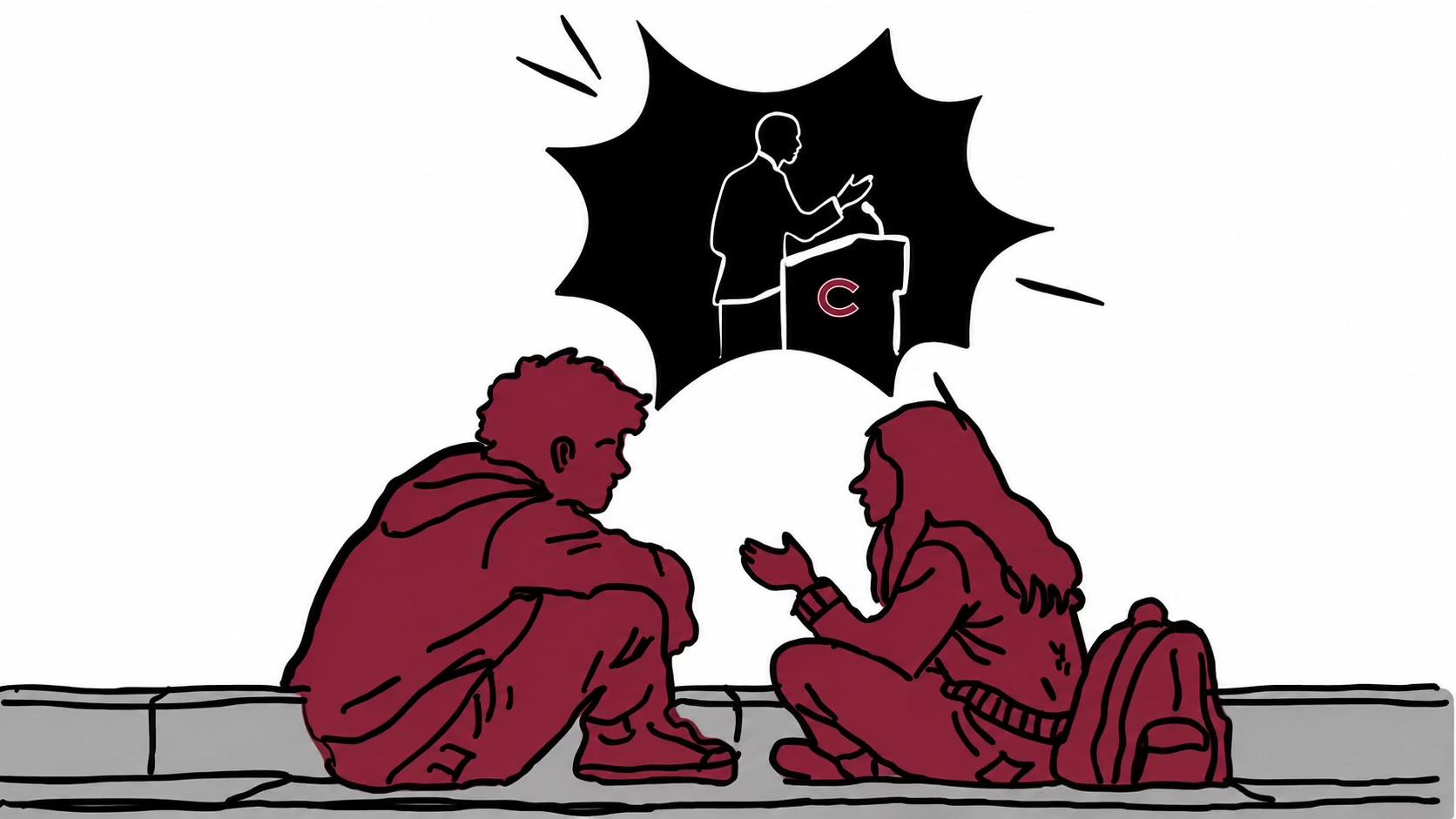
Barack Obama’s visit to Colgate was a significant event, drawing over 4,000 attendees eager to hear his insights on important topics like democracy and leadership. His charisma and approachable nature resonated with many, reflecting a version of politics that feels rare in today’s environment, marked by mistrust and division.
However, the enthusiasm surrounding his presence highlighted a concerning dynamic—when political discussions become celebrity-centric, the substance of what’s being said can get overshadowed. Obama himself has acknowledged the tension between being a leader and becoming a “show horse” in a presidency expected to fulfill multiple roles.
While his calls for empathy and dialogue are easy to approve of when from a figure like him, real challenge lies in practicing those ideals in everyday interactions, especially with people we may not agree with. Obama pointed out that Americans often maintain connections beyond visible political divides, but these connections are often neglected in media narratives that focus on conflict.
Colleges should encourage discussions that challenge students’ views and foster respect in disagreements. Conviction and humility can coexist; it’s possible to uphold strong beliefs while engaging constructively with differing opinions.
Ultimately, while Obama’s visit created excitement and a sense of occasion at Colgate, the true measure of its impact will be seen in how students and the broader community continue to engage in meaningful dialogue—especially when that dialogue lacks the flashiness of a celebrity appearance. The real test is whether they will prioritize the hard work of democratic engagement in everyday life.