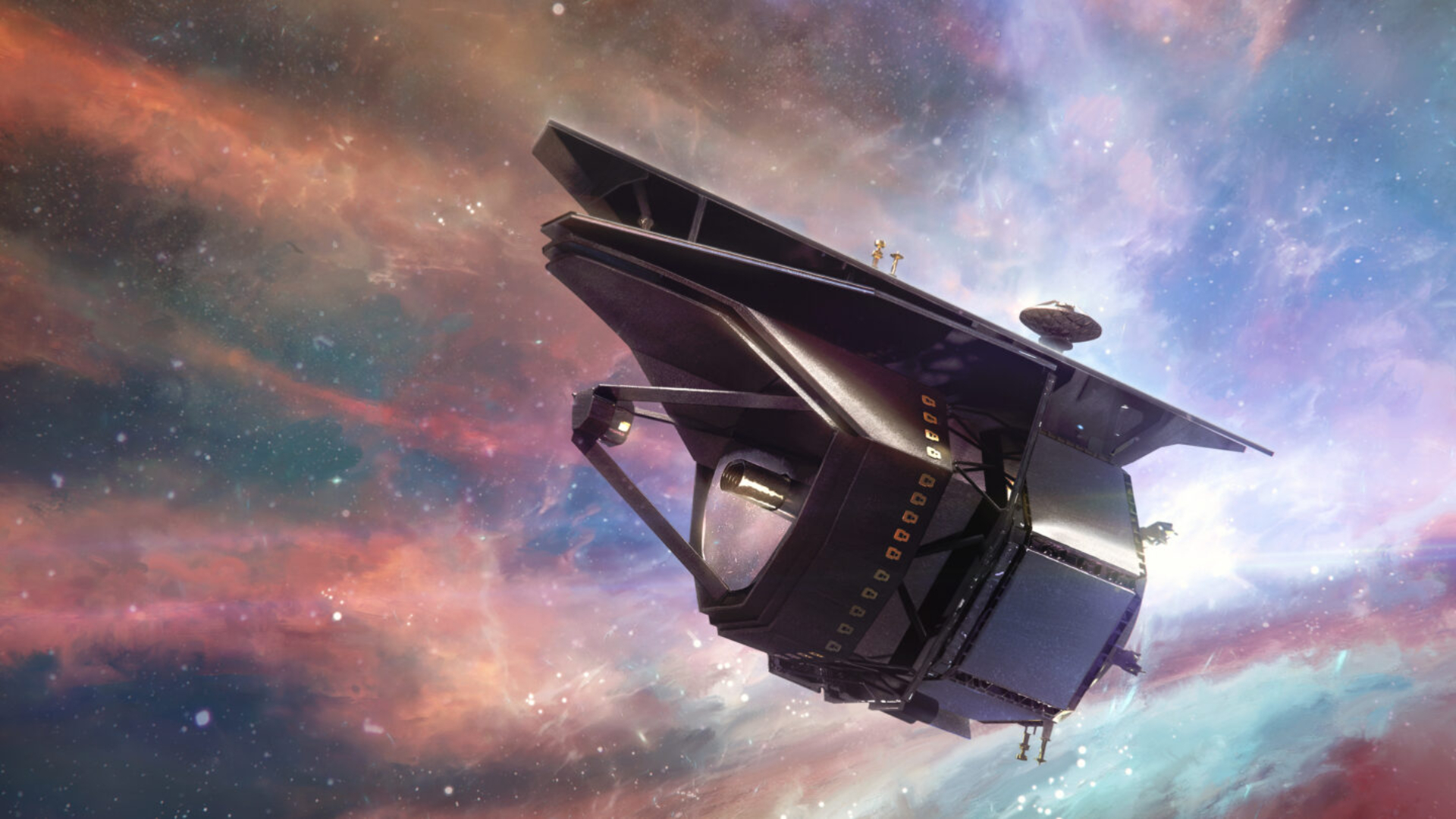
NASA is advancing its first mission in the “Probe Explorers” class, known as PRIMA (PRobe far-Infrared Mission for Astrophysics), into Phase B of development. This phase involves further design and technology development, with a confirmation review expected afterward. If approved, PRIMA will explore the universe in far-infrared wavelengths, aiding in understanding the formation of planets, stars, and black holes.
Nicky Fox, from NASA’s Science Mission Directorate, emphasized that PRIMA will enhance our understanding of cosmic evolution, revealing how water on Earth and other elements formed.
The mission, outlined in the 2020 Decadal Survey for Astronomy and Astrophysics, aims to fill gaps in infrared observations, complementing the existing capabilities of the James Webb Space Telescope. Researchers will use PRIMA to investigate the origins of exoplanets, galaxies, and black holes, analyzing cosmic materials over time.
With a budget of $1.2 billion and managed by NASA’s Jet Propulsion Laboratory, PRIMA is set to launch in 2033, intending to conduct investigations for at least five years.


