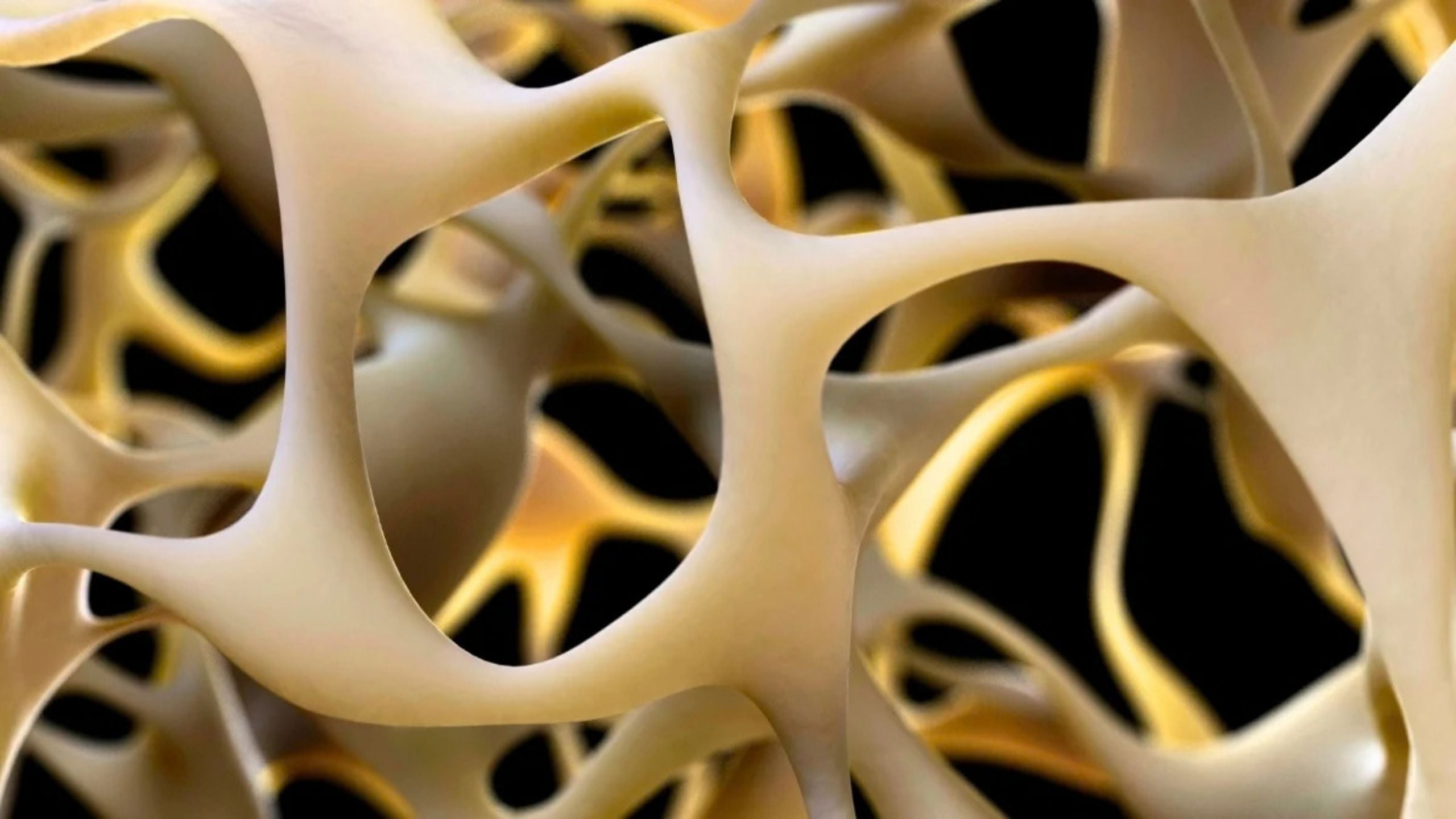
New Insights into Osteoarthritis and Hypertension
Osteoarthritis, the leading cause of disability among older adults, results from the gradual erosion of joint cartilage and painful bone-on-bone friction. Traditionally, this condition has been attributed to mechanical wear and tear, but recent research suggests a potential link to high blood pressure (hypertension).
The Role of Arginine Vasopressin (AVP)
A study by researchers from Chonnam National University, published in Science, explores how AVP—a hormone elevated in individuals with hypertension—interacts with AVPR1A, a receptor present in aging or injured cartilage. This interaction may accelerate cartilage degradation, suggesting that hypertension could significantly contribute to osteoarthritis progression.
Key Findings
-
Increased Risk: Analysis of health data from over 36,000 individuals revealed a strong correlation between high blood pressure and the prevalence of osteoarthritis, particularly in women and those with severe knee damage.
-
Mouse Model Insights: Experiments on hypertensive mice showed increased cartilage loss in injured joints, while healthy joints remained unaffected. This indicates that both injury and hypertension are necessary for significant cartilage damage.
-
Mechanistic Pathway: The study highlights a neuroendocrine pathway where hypertension primes cartilage for AVP interactions, enhancing AVPR1A expression. This pathway may serve as a therapeutic target for preventing cartilage degeneration.
Future Directions
The findings propose a transformative approach to understanding osteoarthritis, emphasizing the need for long-term studies on humans to confirm if similar chemical responses occur. With nearly 600 million people affected globally, targeting the AVP-AVPR1A axis opens avenues for novel treatments to combat osteoarthritis associated with hypertension.
Conclusion
This research enhances our understanding of osteoarthritis and reveals hypertension as a critical factor in its progression. By focusing on the hormonal mechanisms at play, it paves the way for targeted therapies aimed at preserving joint health in vulnerable populations.
For more detailed insights, you can access the full study in Science here.


