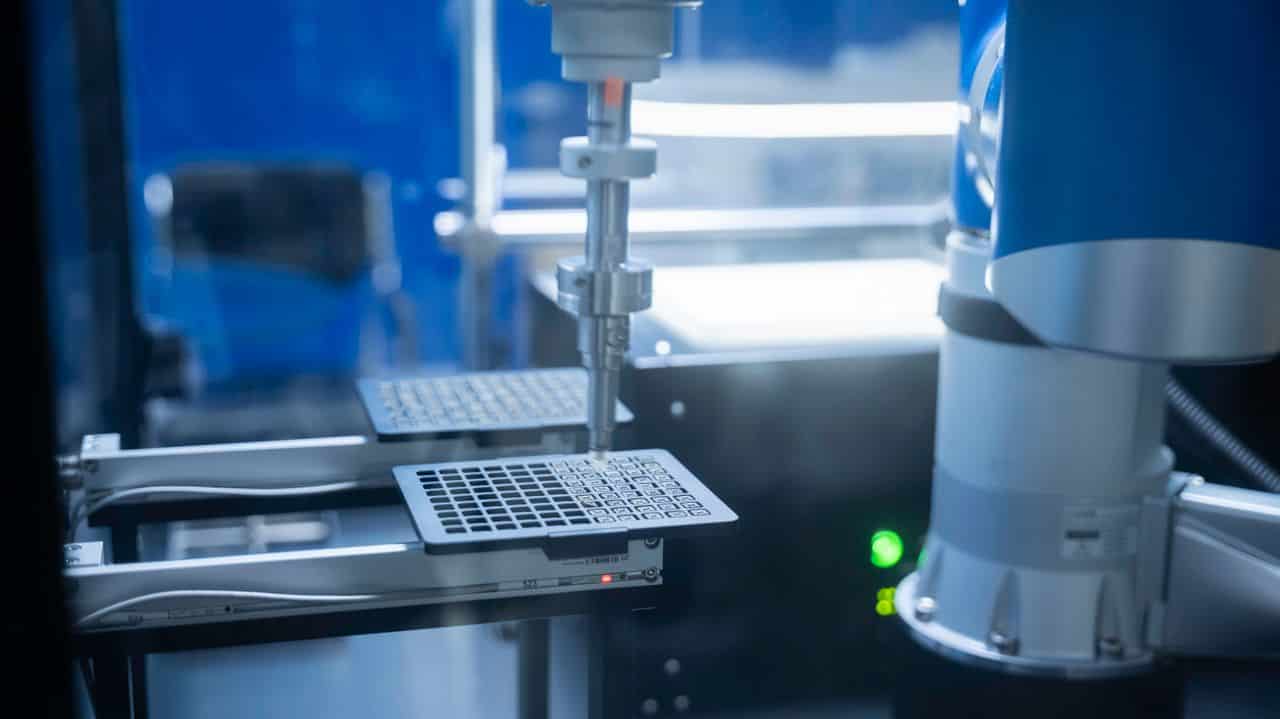
Researchers at Chalmers University of Technology have developed a sophisticated AI system that can autonomously generate and test scientific hypotheses, marking a significant advancement in the field of automated science. This system can design experiments, operate lab equipment, and analyze results, although human scientists still play a crucial role in setting research priorities and interpreting findings.
The new system builds on earlier robotic initiatives like “Adam” and “Eve.” It begins with a comprehensive database about yeast genetics and metabolism, using AI techniques to generate hypotheses and create experimental plans. Notably, it employs large language models like GPT-4o to refine these plans before executing them.
The feedback loop established by this AI means that even failed experiments can inform new hypotheses, enhancing the system’s learning and effectiveness. For instance, when an initial hypothesis regarding glutamate’s effect on yeast was disproven, the AI used resulting data to propose new experiments, leading to unexpected discoveries about aminoadipate’s protective effects against stress.
While the system shows promise in advancing biological research, it requires human oversight at various stages to handle complex hypotheses and ethical considerations. The study highlights the evolving role of AI in scientific research, moving from a supportive tool to a collaborative partner in the laboratory.
This work is part of a broader movement towards self-driving laboratories, where AI and robotics significantly reduce the need for human intervention in scientific experimentation.


