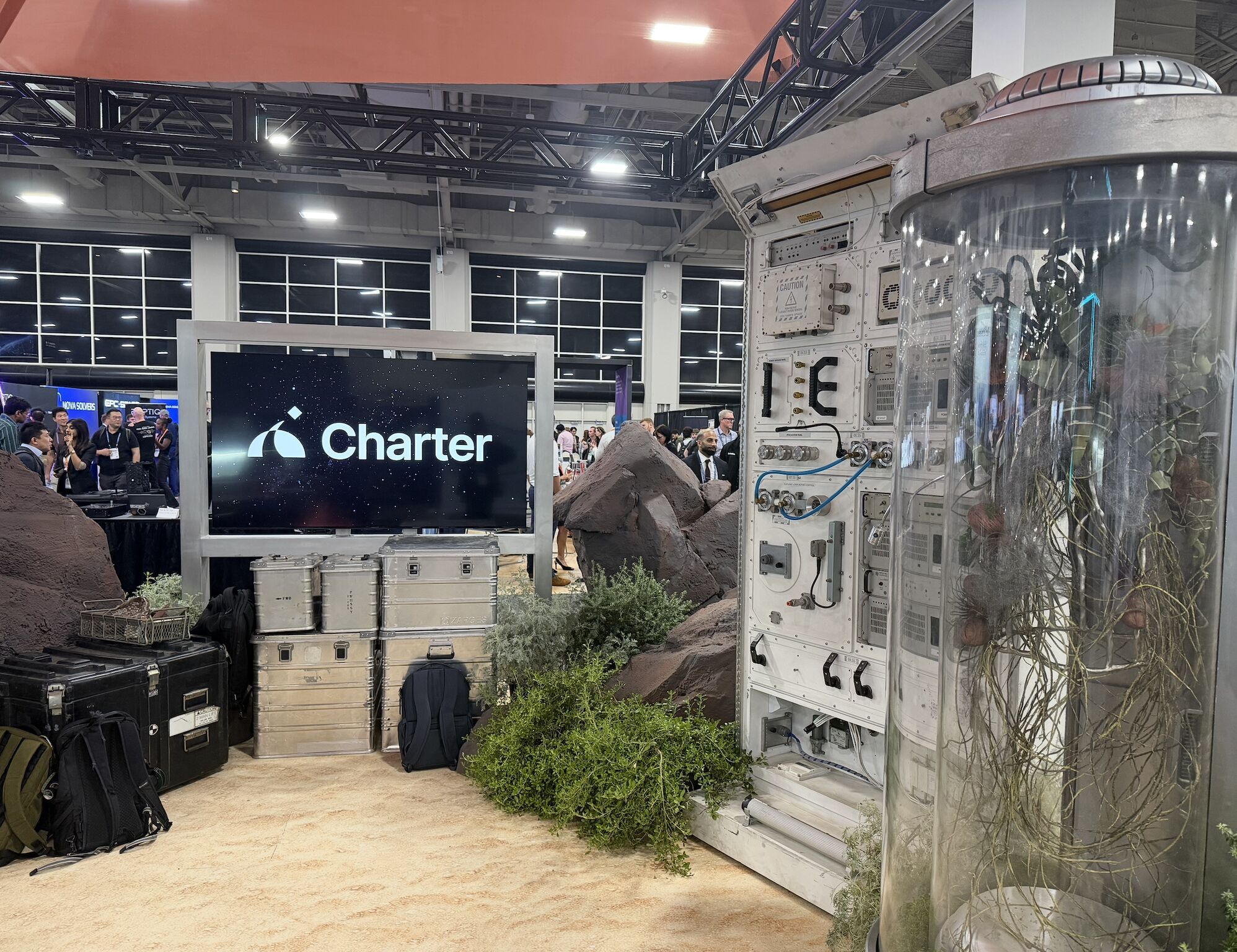
Charter Space Secures $5M Seed Round to Transform Space Insurance
Charter Space, a California-based company, aims to revolutionize spacecraft insurance with a recent $5 million seed funding round. This investment is intended to enhance accessibility for businesses launching new space missions. The round, led by Crystal Venture Partners, also saw contributions from firms like QED, Blank Ventures, and Gaingels, bringing Charter’s total funding to $8 million since its inception in 2021.
Before Charter’s entry into the market, securing spacecraft insurance was a cumbersome process—often taking months due to manual evaluations by underwriters lacking technical expertise. As a result, approximately 97% of spacecraft in orbit are uninsured. Charter’s CEO, Yuk Chi Chan, highlighted this gap in his earlier statements.
Innovative Underwriting Process
Charter’s insurance brokerage, the Charter Interplanetary Risk Corporation (CIRC), has streamlined the underwriting process by leveraging technical data from their management tool, Ubik. This AI-powered approach has reduced policy acquisition time from months to roughly two weeks, significantly accelerating the process to meet the rising demand for space insurance.
CIRC has successfully insured over 50 companies in the U.S. space and defense sector and boasts a backlog of $35 million in gross written premiums. With the new funding, Charter plans to expand its insurance offerings, including policies for innovative missions like nuclear-powered spacecraft and hardware destined for the Moon.
Support from the Industry
Congressman Mike Haridopolos (R-FL) praised Charter’s impact, emphasizing the importance of robust insurance options in fostering confidence for American space companies to innovate and expand.
Chan stated, “We need a strong, competitive insurance market that gives American innovators the confidence to take risks, grow, and lead,” reinforcing the company’s commitment to shaping the future of the space economy.
Conclusion
As Charter Space moves forward, it aims to open up the space industry by making insurance products more accessible, thus encouraging more missions and exploration further from Earth. Their innovative approach and recent funding bode well for the future of space endeavors.


