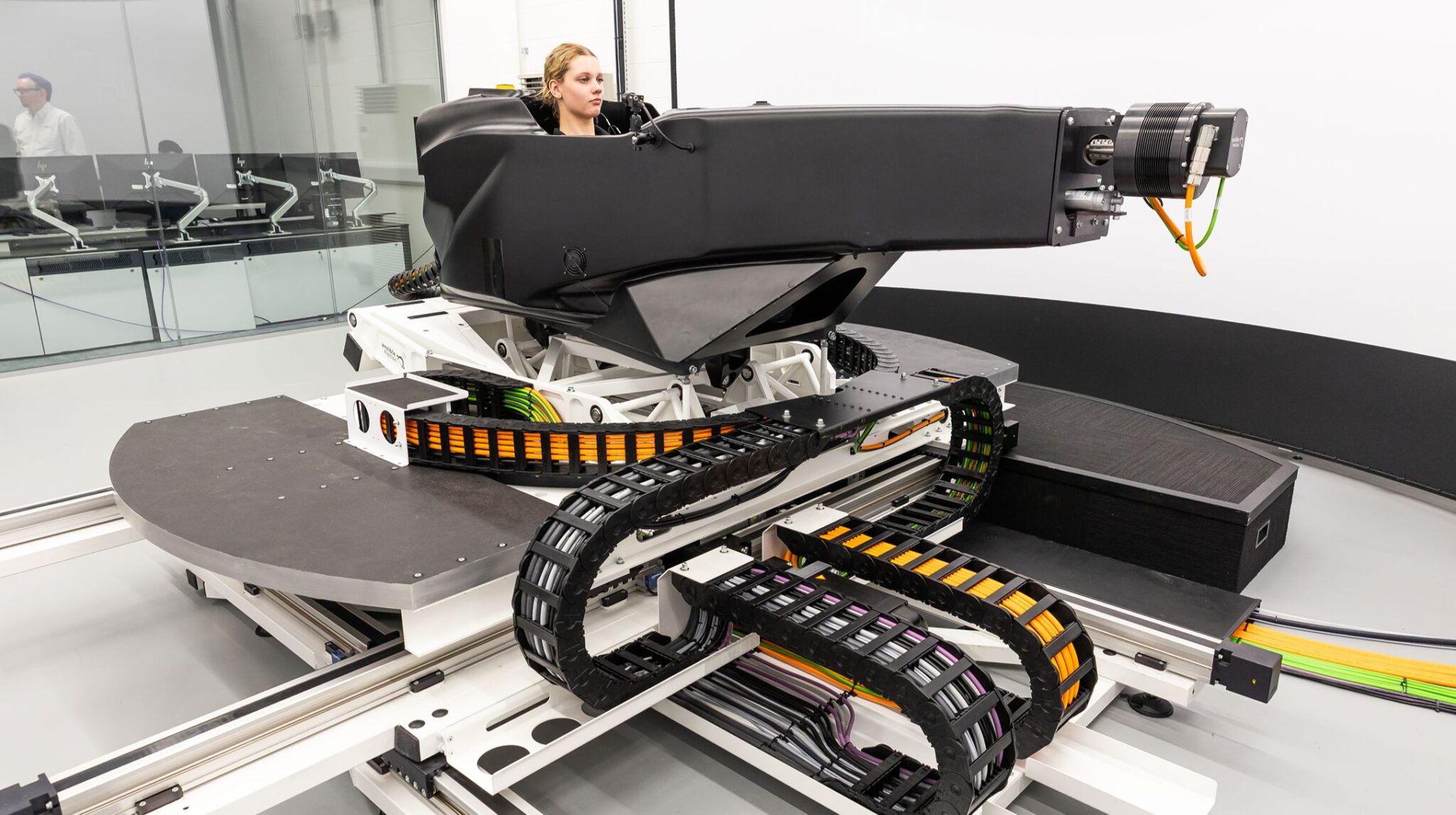
The advanced driver-in-the-loop (DiL) simulator at Bristol and Bath Science Park merges virtual vehicle dynamics with physical hardware, enhancing development in motorsport, automotive, and transportation sectors. IAAPS is collaborating with Ansible Motion to integrate this simulator with a powerful 1,800kW all-wheel-drive powertrain facility, creating a unified real-time development platform.
This innovation allows for earlier engagement in complex development and validation processes, minimizing risks, prototype testing needs, and overall timeframes. The simulator has aided F1 Academy driver Rachel Robertson in her race preparations and is now being marketed to various stakeholders in the industry.
Benefits for Motorsport Teams
- Vehicle Setup Optimization: Enhances calibration, strategy development, and scenario testing.
- Driver Training: Facilitates track familiarization, race procedure practice, coaching, and consistency training.
- Resource Efficiency: Reduces track time, tire usage, and vehicle wear by allowing for decision-making in a controlled environment.
Advantages for OEMs
For manufacturers and tech suppliers, the DiL simulator expedites vehicle development by enabling earlier testing in a controlled setting. It also allows for thorough evaluation of driver behavior and propulsion systems even before physical prototypes are available.
The Delta S2 simulator is equipped with a six-degrees-of-freedom motion base, immersive visuals, and an adjustable cockpit, and is part of IAAPS’s extensive services for future propulsion system development and validation.
Professor Rob Oliver, managing director of IAAPS, notes that this platform offers flexibility for various applications and significantly improves the efficiency of complex system development while lowering technical risks.

