Google’s Project Suncatcher: The Dawn of Orbital Data Centers
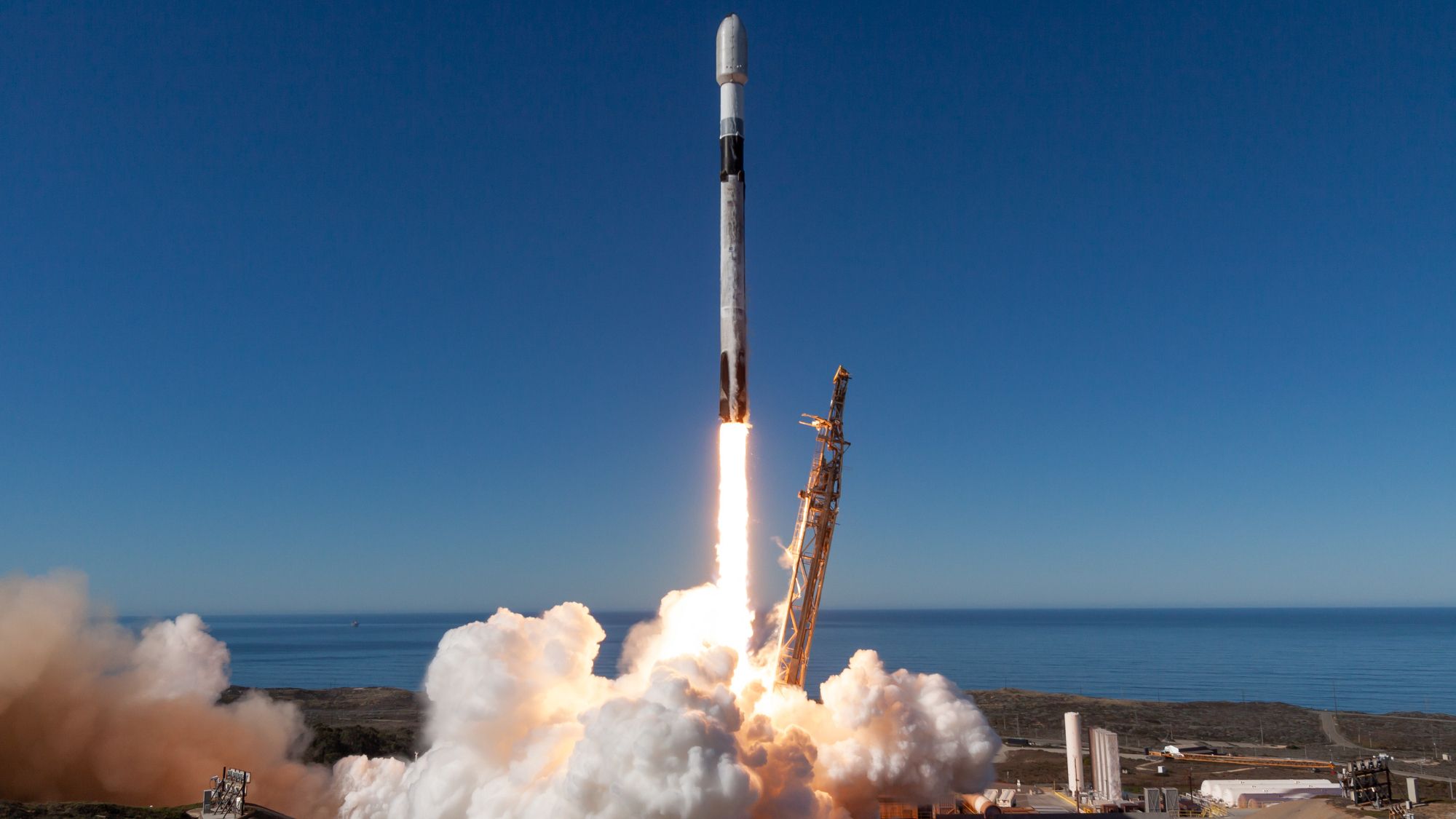
Google has announced the upcoming launch of a prototype satellite for its Project Suncatcher AI constellation, scheduled to fly aboard SpaceX’s Transporter-18 mission on October 1. This project aims to explore the viability of deploying data centers in space, which could revolutionize how we manage and utilize data.
Core Objectives and Technology
At the heart of Project Suncatcher is the testing of Google’s tensor processing units (TPUs) in the space environment. The prototype satellite, built in collaboration with Earth-imaging company Planet, will carry four TPUs and is intended to operate in Earth orbit for a year. Google will monitor the TPUs closely, particularly their performance against space radiation and the efficiency of their cooling systems.
Cooling remains a significant challenge for orbital data centers, as there’s no airflow to dissipate heat in space. Google is experimenting with various cooling techniques, including heat pipes and radiators.
Focus on Communication and Future Plans
Following the initial assessments, Google plans to test laser communication capabilities necessary for the clusters of satellites that will operate under Project Suncatcher. The long-term goal is to have multiple spacecraft communicate effectively using this technology, which requires precise targeting akin to ‘hitting a coin-size target from miles away.’
By 2027, Google aims to launch two more satellites built by Planet to further test these communication systems.
The Competitive Landscape
The concept of orbital data centers is attracting interest from various tech companies, motivated by the desire for continuous power from the sun and the lack of local opposition (NIMBY protests). SpaceX, for instance, has plans for a massive megaconstellation of Starmind AI satellites in low Earth orbit, with construction expected to begin soon.
Conclusion
While uncertainty looms regarding the success of these off-Earth AI initiatives, the Transporter-18 launch is poised to provide crucial insights for Google’s ambitions in space-based data management. The lessons learned during this trial could significantly impact future technology and infrastructure developments.


