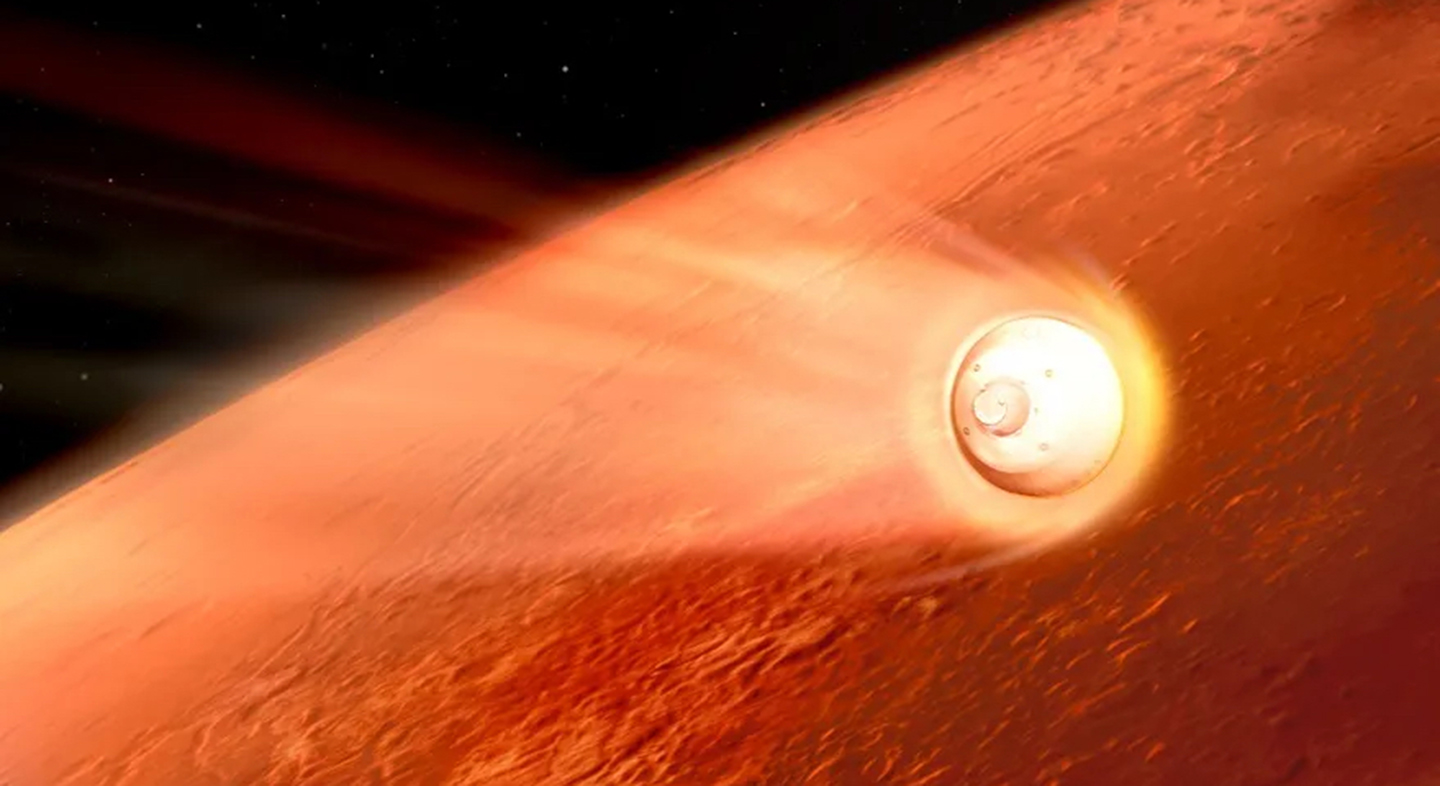
3D Imaging of Heat Shield Materials
Researchers recently made significant advancements in understanding how heat shield materials change under extreme conditions using 3D imaging techniques at the Advanced Light Source (ALS). This method allowed scientists to observe the internal structure of materials during and after exposure to extreme heat, cold, pressure, and tension. Liz Clark, a scientist at ALS, highlighted the importance of this collaboration, particularly following the first Artemis mission, which revealed discrepancies in heat shield performance.
Generative Imaging Technique
To study the materials, scientists faced a trade-off between speed and detail. They employed AI-driven generative imaging, which utilized super-resolution methods. The intense spectrum flux enabled the team to quickly capture lower-resolution images of large areas while also switching to focused beams for high-resolution snapshots of static samples.
By training AI on images taken before and after heating, researchers produced a comprehensive record illustrating how each material underwent changes. This enhanced data provided clear distinctions between different heat shield materials, particularly emphasizing the behavior of cork-based materials versus rubber-like silicone matrices under heat.
Significant Findings
The imaging revealed that the cork in SLA-561V disintegrated under heat, leaving empty voids. In contrast, SLA-220 formed a complex network of channels. These structural differences affect material performance during atmospheric reentry, as the airflow and thermal reactions differ between open pockets and interconnected networks.
Clark remarked on the collaboration’s success in customizing imaging techniques with AI, leading to quicker and more insightful scientific data.
Conclusion
The findings provide engineers with unprecedented insight into the microscopic changes in heat shield materials during atmospheric reentry. This knowledge enhances past observational studies and aids in developing safer space missions. This research was supported by NASA and highlights Berkeley Lab’s commitment to pioneering materials science research.


