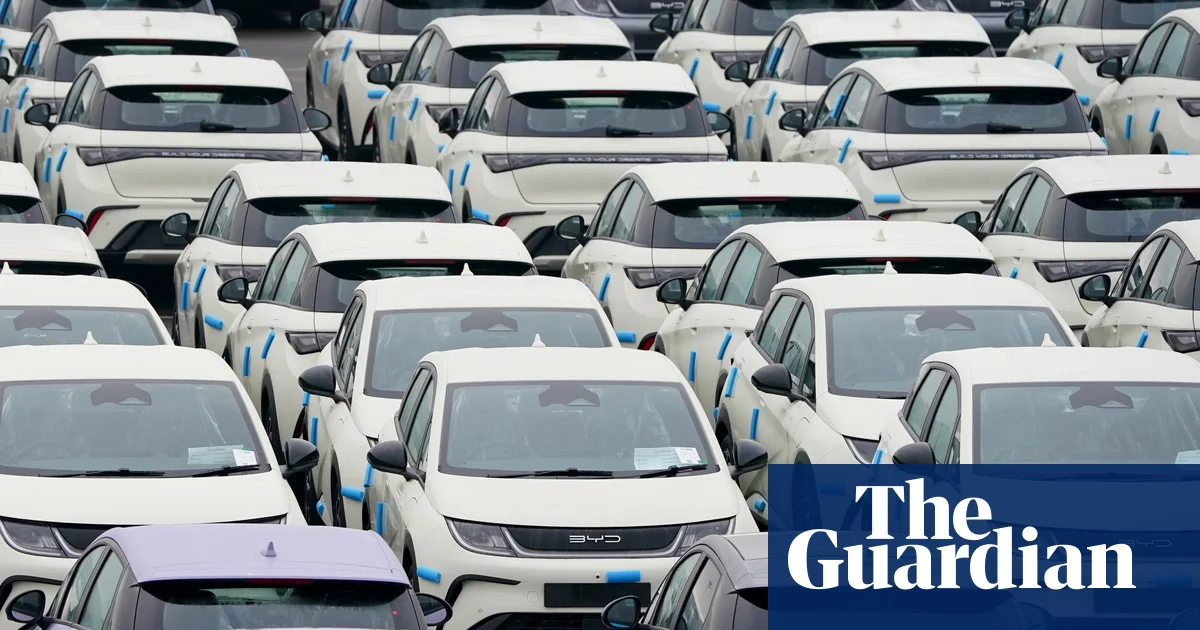
Sales of Chinese hybrid cars in the EU have surged dramatically over the past four and a half years, raising alarm in Brussels regarding the future of the European automotive industry. In 2022, only 659 Chinese-made fully hybrid cars were sold in the EU, but this figure skyrocketed to 160,662 in the first seven months of 2024 following the imposition of anti-subsidy tariffs on Chinese electric vehicles.
Plug-in hybrids saw a similar rise, with sales increasing from 56,706 in 2022 to 217,764 during the same period. This influx of Chinese hybrids has led the EU to request that China voluntarily lower its hybrid exports, warning of potential safeguards such as quotas if they do not comply.
The German automotive sector, previously cautious, is now considering tariffs specifically targeting Chinese hybrids. The German Association of the Automotive Industry has urged the European Commission to conduct a thorough evaluation of the impact of any trade safeguards it implements.
Hybrid cars now constitute nearly 37% of the overall EU market, with Chinese manufacturers such as BYD, Chery, and Leapmotor experiencing significant growth. Geely remains the top-selling Chinese brand, followed closely by BYD. Together, they have surpassed sales of Tesla in the first half of 2024.
While European manufacturers, led by Volkswagen, still dominate the market, the rapid rise of Chinese hybrids could threaten this status quo. Sales of electric cars in Europe are also climbing, with notable growth in countries like Germany and France.
The ongoing trade dialogue between EU officials and Chinese counterparts aims to address these escalating trade tensions, which EU leaders have described as reaching an unsustainable level.

