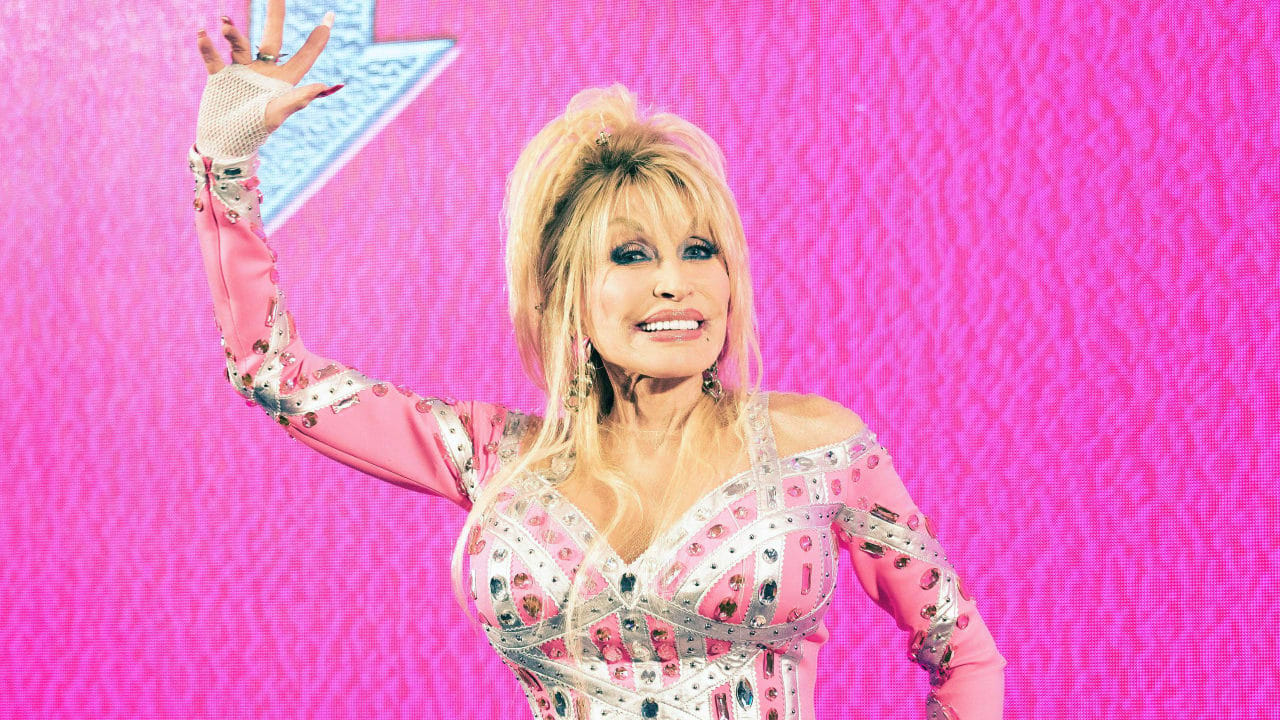
The recent deaths of Dolly Parton, Péter Nádas, and Yayoi Kusama within a short span remind us of culture’s unique ability to bridge divides despite differences in background, beliefs, and art forms. Parton, a country music legend, Nádas, a Hungarian-Jewish novelist, and Kusama, a pioneering Japanese artist, represent distinct cultural landscapes but collectively underscore a vital truth: culture can foster community and shared experience without erasing individuality.
At a Dolly Parton concert, for instance, diverse groups found common ground, united by their admiration for her music, transcending their differences in politics, religion, and lifestyle. Similarly, encounters with Kusama’s art in Israel showcased a multi-faceted audience, illustrating how great art invites varied interpretations while creating a shared experience.
Meanwhile, Nádas’ writings tackled complex themes of identity and history, especially in relation to Jewish experience in Europe. His works reflect the intricacies of inheriting diverse legacies and navigating cultural contrasts, an endeavor that resonates with Israel’s own relationship with the world.
As political discourse increasingly permeates culture, there’s a growing need to protect the dialogues that art and culture offer. Rather than allowing politics to dictate our cultural interactions, we should embrace the richness that arises from engaging with diverse perspectives.
In an era of polarization, the legacies of Parton, Nádas, and Kusama serve as reminders that we can cherish our differences and celebrate a shared humanity through art and culture. Great cultural experiences encourage curiosity and understanding, revealing the beauty in what makes us unique while highlighting our interconnectedness.


