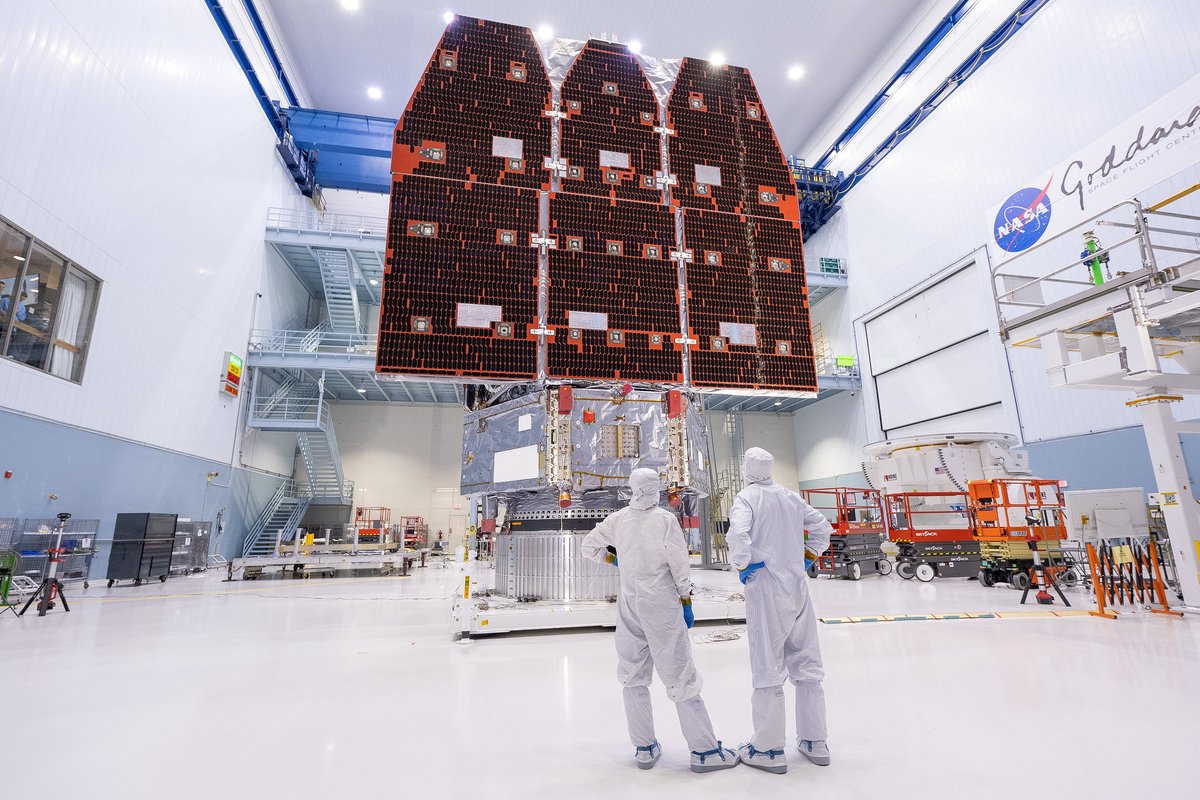
The Nancy Grace Roman Space Telescope was launched successfully in late August and is headed to its final orbit. This $4.3 billion telescope aims to provide unprecedented cosmic images and detailed views of exoplanets by year-end. However, there’s concern about NASA’s ability to produce similar future telescopes like Roman. The Goddard Space Flight Center, where Roman was built, has faced serious workforce reductions—down 40% from 2020—and budget cuts, making it difficult for remaining employees to coordinate ambitious projects.
Many scientists and engineers are leaving due to uncertainty about their roles, causing issues for NASA’s long-term mission capability. Though Congress has generally rejected drastic funding cuts to NASA’s science missions, the agency’s restructuring has raised alarms. Goddard’s leadership claims they can still deliver flagship missions, despite the workforce challenges and lab closures.
Researchers are skeptical, noting the loss of expertise could have lasting impacts on future projects. Upcoming missions like the Habitable Worlds Observatory and the Dragonfly drone may be constrained by these cuts. In summary, while the Roman Telescope represents a significant achievement, Goddard’s current status raises concerns about the future of NASA’s astrophysical research capabilities.


