Unlocking the Secrets of The Macallan Whisky
By Rob Stott – News
Updated: 22 September, 2026
Readtime: 5 min
Every product is carefully selected by our editors and experts. If you buy from a link, we may earn a commission. Learn more. For more information on how we test products, click here.
You may already appreciate the joy of sitting down with top-quality single malt scotch whisky, but much of that signature flavor comes not from the distillation itself, but from the wood it matures in—the cask.
When it comes to cask importance, your mind likely goes to The Macallan. This Scottish distillery highlights its sherry-seasoned casks in every release, with each barrel undergoing a meticulous five-year preparation journey before any spirit is added.
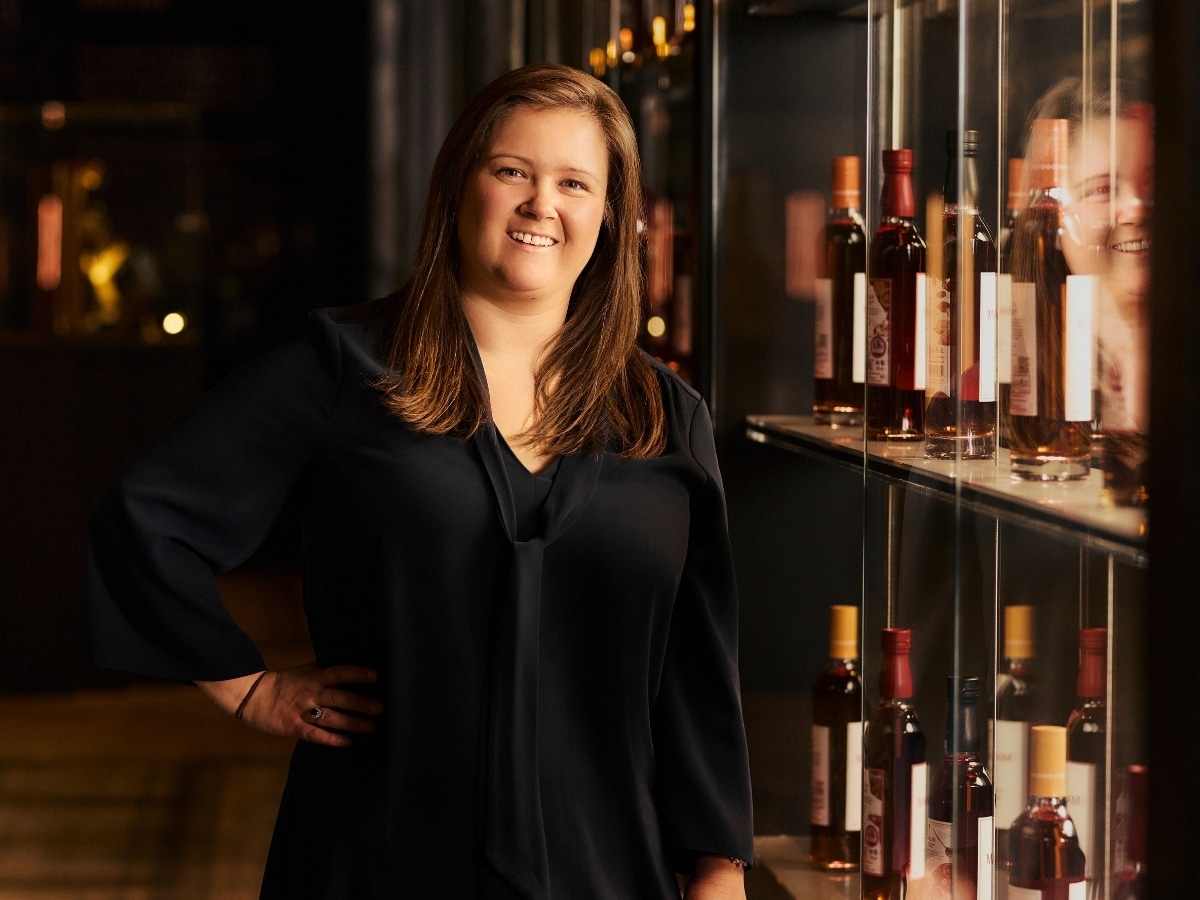
According to Macallan Distiller Diane Stuart, up to 80% of the flavor in whisky comes from the cask during maturation. Stuart, whose background in forensic science offers a unique perspective, emphasizes the importance of wood treatment.
The Anatomy of a Macallan Cask
For The Macallan, the lifecycle of a cask takes half a decade—from felling trees and cutting staves to air-drying them, sending them to Jerez, Spain, for treatment. This meticulous craft can be costly: while a standard bourbon cask costs around US$100, The Macallan’s sherry-seasoned casks run about US$1,000 (AU$1,500) each.
Newly constructed oak casks filled with sherry are seasoned in Jerez for roughly 18 months, allowing European oak to unlock rich fruit flavors without harsh wood tannins. This devotion to wood is part of the distillery’s foundational Six Pillars.
Stuart states, “So many flavors in our whisky come from the wood, but it must be treated correctly.” The lower strength of sherry (15-17% ABV) conditions the wood gently before filling it with new-make whisky, rounding off rough tannins and establishing The Macallan as one of the most sought-after and expensive whisky brands in the world.
“The lower strength rounds off heavy tannins and allows the sherry to penetrate the wood,” Stuart explains. As temperatures in Scotland’s Speyside region fluctuate during maturation, the spirit moves in and out of the wood, drawing out complex flavors developed over years.
To ensure quality, The Macallan has recently acquired stakes in Spanish sawmills, cooperages, and historic sherry producer Valdespino for complete control over cask production.
Art vs Science: The 8-Year Benchmark and 250 Sniff Tests a Day
Once filled, the cask matures undisturbed for an initial eight-year benchmark, a critical milestone for predicting the whisky’s evolution.
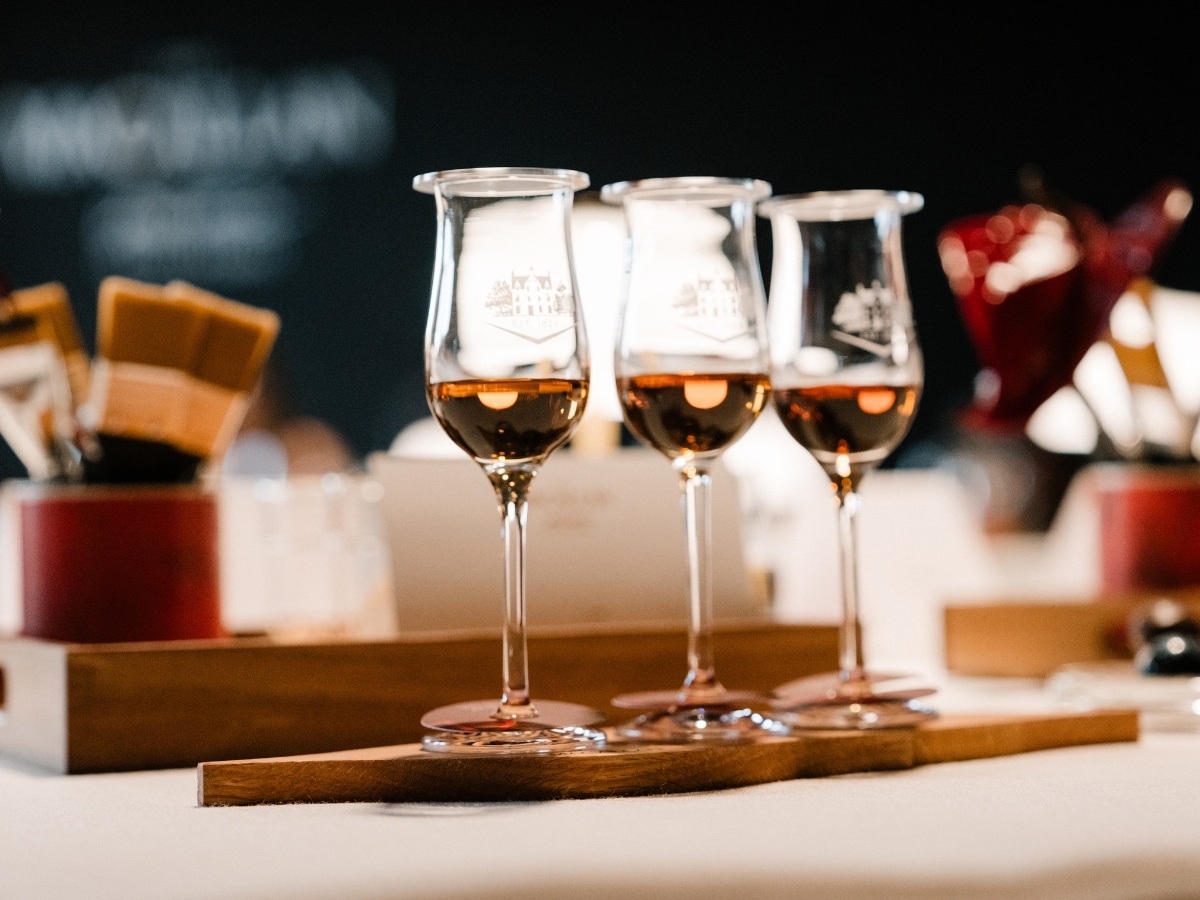
Stuart’s team analyzes approximately 3,000 samples a month—250 a day—to monitor progress. Samples are diluted to 20% ABV to release subtle aromatic layers, preventing sensory overload from the cask-strength spirit (~60% ABV).
These evaluations, combined with precise color tint analysis and predictive modeling, create detailed profiles for every cask, ensuring flavor consistency across releases.
“It’s the balance of science and creativity,” says Stuart. “Science helps us understand how to build flavors, while creativity comes into play when we develop the product and tell its story.”
During her recent visit to Australia, Stuart expressed eagerness to try local spirits, having heard much about Lark Distillery. The pursuit of the perfect dram remains universal, whether in Speyside or Tasmania.