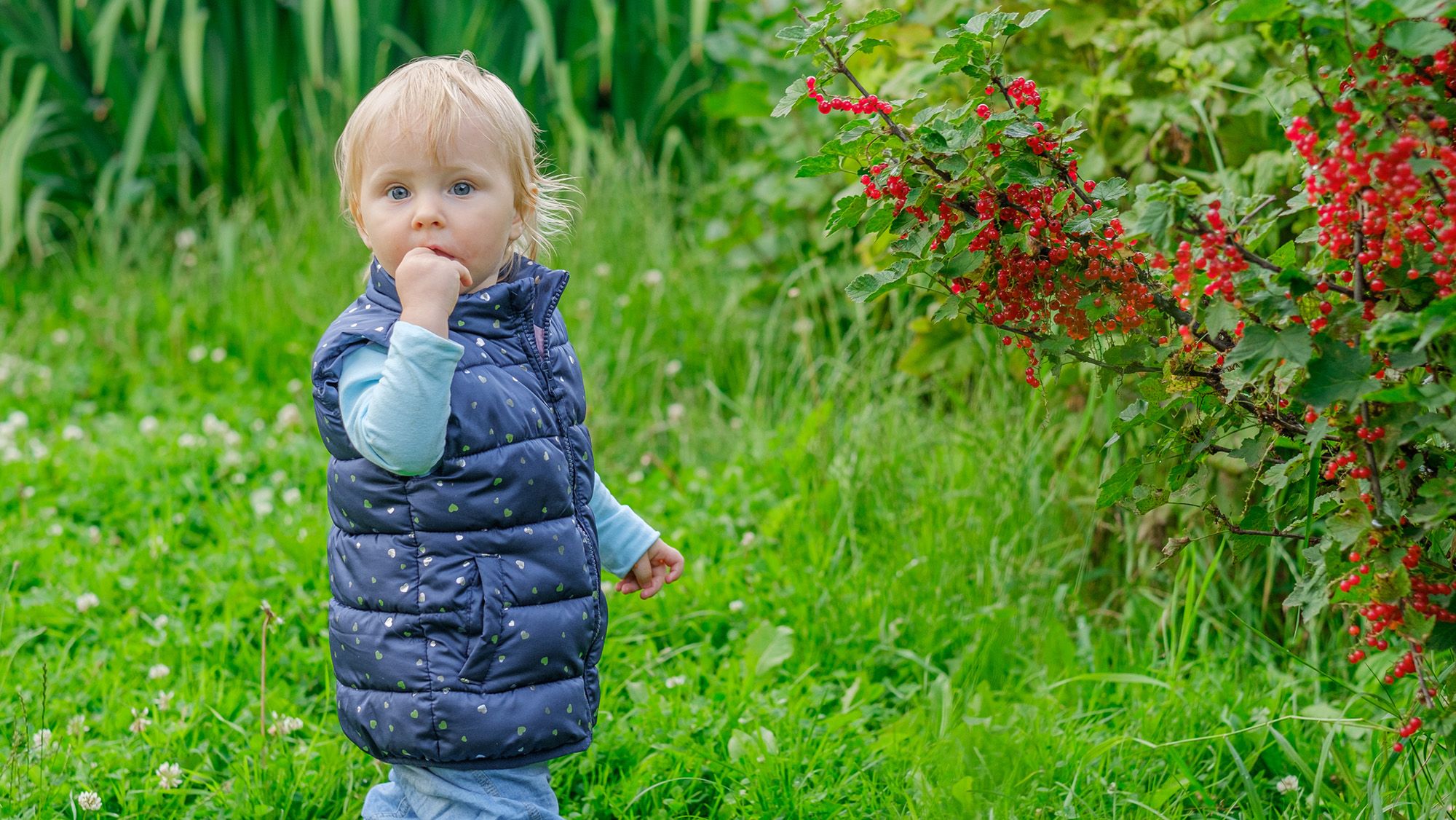
Many children with blond hair experience a natural darkening as they age, often turning brown or even black. This change is influenced by a variety of factors including genetics, melanin production, and hormonal changes throughout childhood.
Reasons for Hair Color Change:
-
Genetics: Hair color is largely determined by inherited genes, but the interplay of these genes can lead to different outcomes—some children retain their blond hair while others darken.
-
Melanin: Hair gets its color from melanin, produced by melanocytes in hair follicles. Eumelanin is responsible for darker shades, while pheomelanin contributes lighter tones. Those with more eumelanin typically have darker hair.
-
Hormonal Influences: Puberty marks a significant period for hair color changes, with hormonal changes such as increased levels of androgens stimulating melanin production. Specific hormones like alpha-melanocyte-stimulating hormone (alpha-MSH) can affect this process.
Key Points:
- The most noticeable changes often occur between ages 10 to 13 due to hormonal surges.
- Variations in response to hormonal changes may account for why some children stay blond while others darken.
- Despite advances in genetic research, the exact mechanisms are not fully understood, highlighting the need for further studies on hair pigmentation and hormonal interactions.
In summary, while genetics play a crucial role, hormonal dynamics throughout childhood significantly influence hair color transitions from blond to darker shades.


