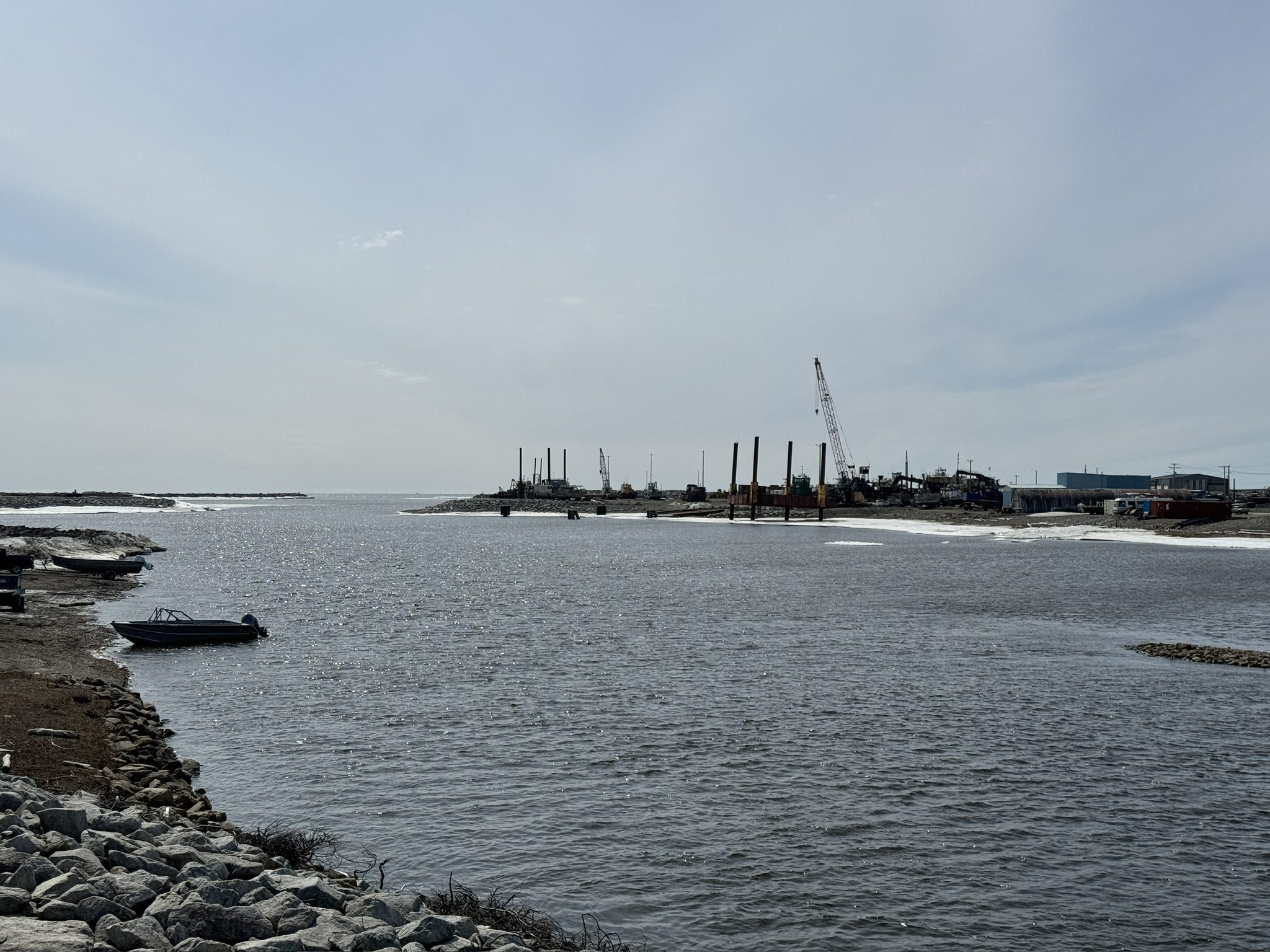
The Nome Port Commission is exploring new restrictions on long-term vessel and equipment storage due to increasing freight traffic and limited space around the Inner Harbor. During a special work session, commissioners discussed shared usage of uplands near the Inner Harbor ramps with port staff and users, focusing on the lower industrial pad and the East Industrial Gravel Ramp.
Port Director Joy Baker highlighted conflicts arising from the burgeoning home-ported fleet and cargo volumes. Traditionally, vessels were stored in the winter, freeing up space for cargo in the summer; however, more vessels are now occupying the uplands throughout the busy summer months, creating operational challenges.
A city list revealed 15 items have been stored for over five years, with some, like a dragline crane, unused for over a decade. While most owners manage their storage bills, some require follow-up.
One proposal suggests prioritizing ramp space for actively operating vessels, with provisions for winter storage, allowing for one-year waivers for repairs or maintenance. Harbormaster Lucas Stotts emphasized the aim is efficient space use rather than maximizing revenue.
The commission meeting attracted significant public interest. Various alternatives were discussed, such as relocating stored vessels and increasing storage rates for prolonged stays. Some ports have implemented escalating storage fees, which could provide vessel owners with flexibility for lengthy repairs.
Commissioner Gay Sheffield underscored the importance of prioritizing working vessels to maintain operational space. Attendees noted opportunities for reclaiming space by clearing the south industrial pad of unused equipment, with discussions about the challenging disposal of derelict vessels like the Dugong.
Port staff have started clearing debris and identifying property owners, anticipating removal of loose items by fall. No new storage limits or rate structures were established during the meeting, as any changes would require several steps, likely delaying implementation until February or March at the earliest.


