Toyota is investing significantly in automation, estimating annual expenditures of up to JP¥1 trillion (approximately US$6.4 billion) by 2028. This plan includes deploying around 400,000 robots both in its factories and those of major suppliers. Of these, 150,000 will be placed in Toyota’s own facilities, while 250,000 will support group companies.
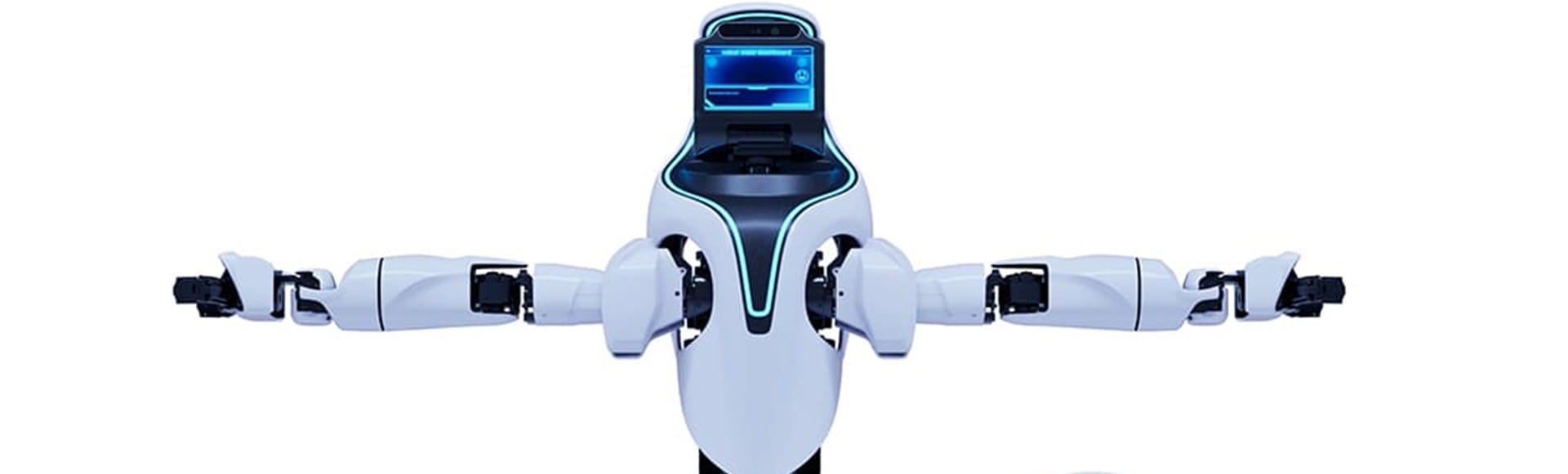
Central to Toyota’s strategy is a humanoid robot named Eley, which is designed to learn by observing human workers. Employees wear finger-shaped jigs that mimic Eley’s hands while performing routine tasks, allowing the robot to learn directly from their demonstrations. For instance, after 1,500 practice sessions, Eley demonstrated near-perfect accuracy in folding T-shirts.
Toyota plans to eventually share the learned skills across its global factories, which would enable robots in various locations to acquire skills without redundant training. The automaker emphasizes that its robots will coexist with human workers rather than replace them, although this ambition has been met with skepticism.
The company’s approach contrasts with competitors like Tesla and Hyundai, which focus on bipedal robots. Instead, Toyota believes that the ability of robots to quickly learn manual skills on wheels may be more advantageous for immediate factory deployment. Over the years, Toyota has developed several robots, including care and rehabilitation robots, and is now utilizing advanced AI techniques to enhance their robots’ learning capabilities.