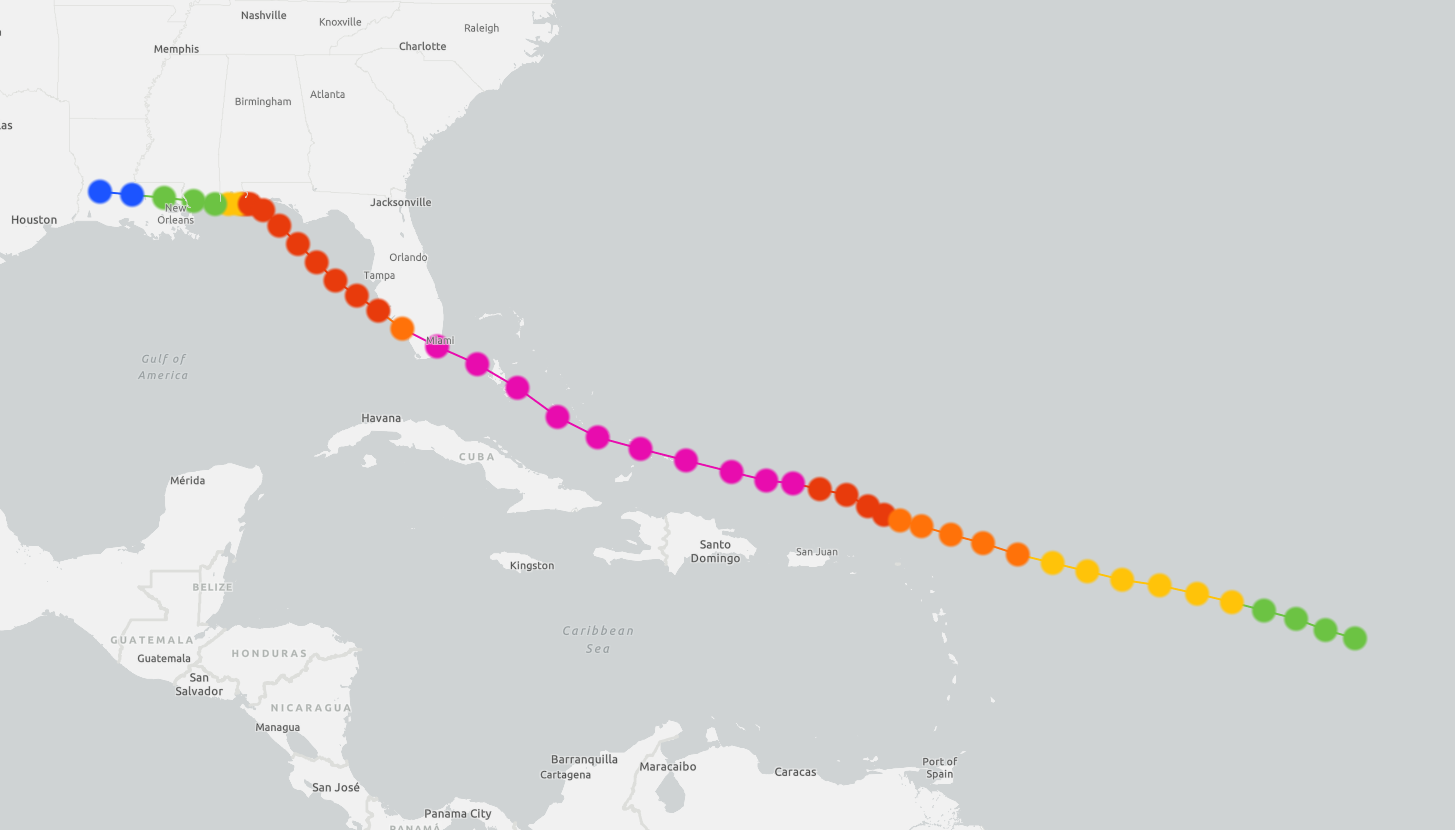
The text provides a detailed historical overview of the 1926 Great Miami Hurricane, highlighting its catastrophic impact and how it underscored the need for better hurricane preparedness and communication. As we approach the 100th anniversary of this event on September 18, 2026, it serves as a reminder of the evolution in hurricane forecasting and response over the last century. Key improvements include the establishment of the National Hurricane Center, advancements in technology such as radar and satellite systems, and enhanced community outreach through social media.
Key Highlights:
- Initial Warnings: The storm’s existence was first communicated via ship reports on September 11, 1926, but the first hurricane warning was issued late on September 17, allowing less than six hours for residents to prepare.
- Impact of Timing: Many were unaware of the danger as the storm made landfall early on September 18 while people were still asleep.
- Casualties and Destruction: 114 lives were lost due to the combination of the late warning, lack of awareness, and the storm’s destructive power.
- Advancements in Forecasting: Modern hurricane forecasting includes comprehensive models and real-time data collection, offering forecasts up to seven days in advance to aid public preparedness.
- Community Preparedness: The ongoing challenge is ensuring that a growing population remains aware and prepared for potential hurricanes, despite advancements in communication and forecasting technology.
The article emphasizes the importance of being informed and vigilant in hurricane preparedness, especially in light of the lessons learned from past storms.


