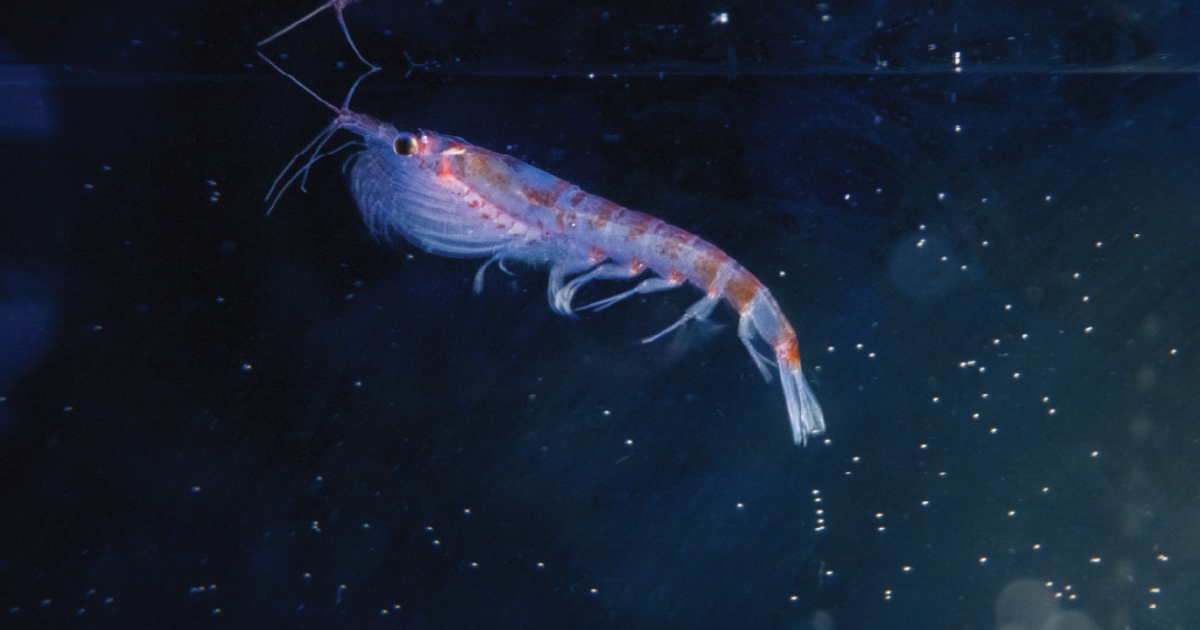
Antarctic krill are vital to the South Pole’s ecosystem, serving as a primary food source for species like penguins, seals, and whales. These small crustaceans also help recycle nutrients necessary for phytoplankton growth and are harvested for aquaculture feed and omega-3 supplements.
However, climate change is rapidly altering their habitat in the Southern Ocean, leading to concerns about the krill population’s stability. Recent research has uncovered a surprising new habitat for these krill: hydrothermal vents located deep in the ocean (around 3,600 feet).
While studying these vents during a research expedition, biological oceanographer Kim Bernard spotted krill that seemed to be engaged in unusual behaviors, which prompted the team to collect samples. They found that these krill were mainly reproductive females laden with eggs, raising questions about why they were inhabiting this seemingly inhospitable environment.
Analysis revealed that the krill were feeding on microbes present at the vents, which might offer a year-round food source compared to seasonal phytoplankton. Additionally, the vents might provide crucial nutrients for embryo development, suggesting that the krill may be more dependent on these habitats than previously thought.
Marine ecologist Simeon Hill emphasized the importance of understanding these deep-sea environments for the reproductive success of krill and advocated for further conservation measures. The findings highlight the adaptability of krill and the need for marine protection as new habitats are discovered.


