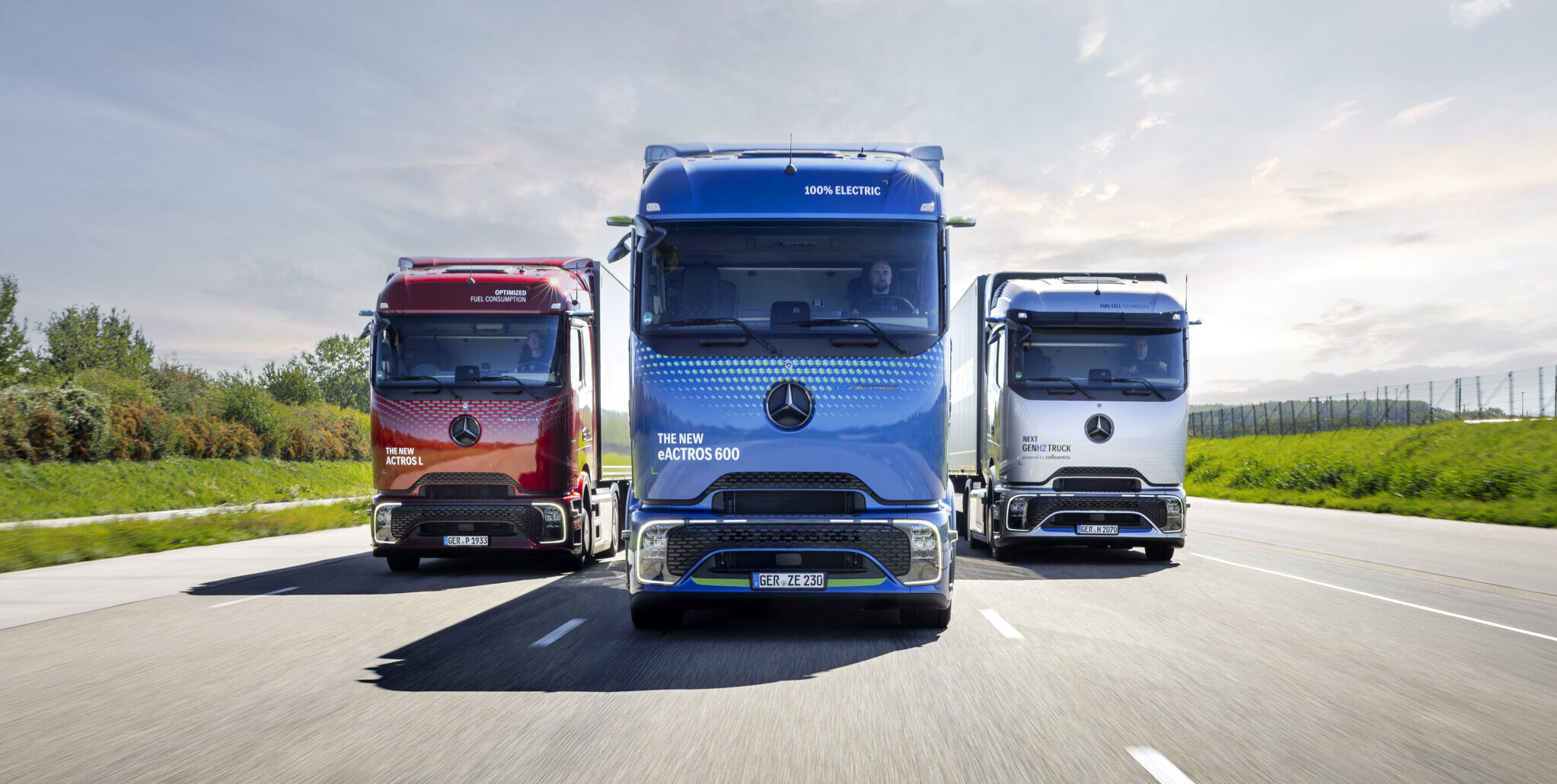
The chief executives of Europe’s leading commercial vehicle manufacturers are urging the EU to postpone its 2030 CO2 emissions targets by three years. They argue that insufficient charging infrastructure and high energy costs hinder the commercial viability of zero-emission trucks. The seven companies, including DAF, Daimler Truck, Ford Otosan, Iveco, MAN, Scania, and Volvo Group, represent the majority of the European commercial vehicle sector.
Current EU regulations require a 43% reduction in fleet emissions by 2030 and even steeper cuts in subsequent years, with financial penalties in place for non-compliance. Currently, only 2.4% of new heavy-duty vehicle registrations in Europe are zero-emission, far from the target, and adoption varies greatly by country.
Daimler Truck’s CEO Karin Rådström highlighted the industry’s commitment to these targets but emphasized the need for better infrastructure. With commercial penalties looming—potentially costing the industry €2.2 billion—companies are calling for an extension to avoid fines.
The industry faces a significant infrastructure gap, with fewer than 2,000 public chargers available for heavy trucks in Europe, while experts estimate at least 700 new installations are required monthly to meet 2030 targets. Additionally, many charging stations take years to set up, and the current limitations on hydrogen refuelling further exacerbate the problem.
Meanwhile, Chinese truck manufacturers are making strides in the European market, benefiting from their prior experience with electric trucks, which account for around 30% of China’s market. Companies like BYD are planning local assembly in Europe and developing charging networks, seeing the continent’s infrastructure gaps as an opportunity for investment.
The question remains whether the EU will accept the industry’s framing of CO2 penalties as an issue tied to systemic infrastructure failures rather than solely a manufacturing problem.