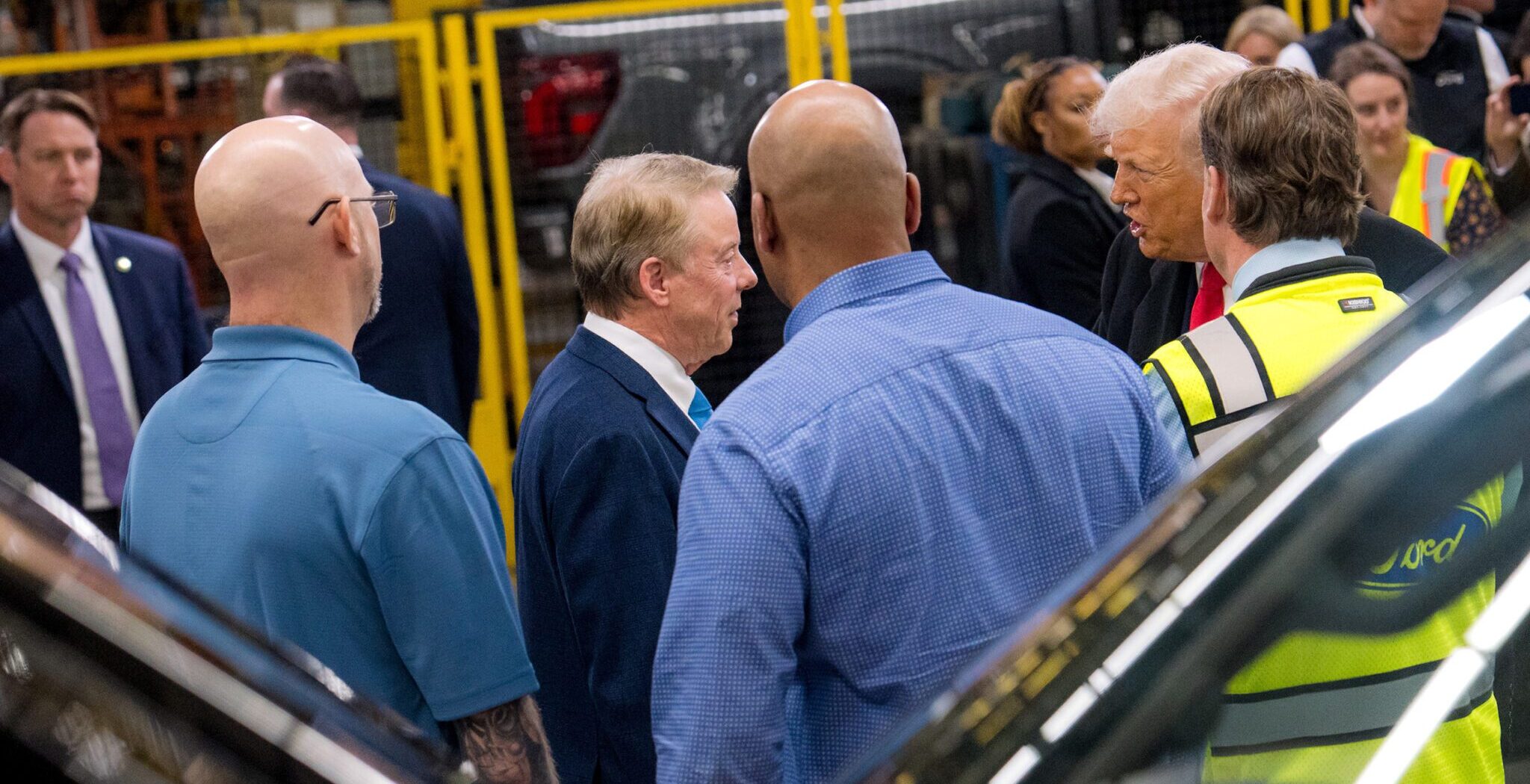
Ford’s Joint Venture Proposal: Trump’s New Position
President Donald Trump recently indicated during a Fox News interview that he would be open to Chinese automakers establishing manufacturing plants in the U.S., provided they invest in local production and hire American workers. This statement seems to conflict with the stance of his Transportation Secretary, who had previously criticized Ford for its partnerships with Chinese companies.
Key Points from Trump’s Remarks:
- Manufacturing Conditions: Trump stated, “If China wanted to come in and open a plant to build their cars here, I’d be okay with that,” echoing past practices of Japanese automakers manufacturing in the U.S.
- Local Employment: A significant focus of Trump’s remarks is the requirement for these Chinese companies to employ American workers.
- Ban on Imports: He remains staunchly opposed to direct imports of vehicles made in China and aims to prevent any circumvention by assembling vehicles in neighboring countries like Mexico.
Current Regulatory Environment
Despite Trump’s openness, there are existing barriers. A regulation from the Biden administration, citing national security, essentially prohibits Chinese manufacturers from selling or building passenger vehicles in the U.S. Efforts are in progress to enshrine this regulation into law, with bipartisan support from lawmakers.
- Concerns of Foreign Competition: The Alliance for Automotive Innovation, representing major automakers, warns about competitive threats posed by subsidized Chinese vehicles affecting the U.S. market.
Trump’s Strategy vs. Administration’s Stance
Trump’s comments suggest a divergence from the stricter stance of his administration:
- Tension within the Administration: Secretary Duffy expressed concerns over Ford’s ties with Chinese firms, labeling them potential national security risks—positioning that starkly contrasts with Trump’s statements.
- Historical Context: Discussions regarding joint ventures with Chinese firms for U.S. manufacturing were initially received poorly by officials but now align with Trump’s proposed framework.
Implications and Future Outlook
As Trump prepares for a summit with Chinese President Xi Jinping, his recent comments may either reflect a genuine shift in policy or a strategic move to set a conciliatory tone ahead of high-stakes negotiations. The outcome of these discussions could significantly reshape U.S.-China automotive relations and manufacturing policies.
In summary, while Trump expresses a willingness to engage with Chinese automakers, his administration is currently guided by a more rigid protective policy. The true direction will likely become clearer following discussions with Xi later this month.

