Potentially Historic El Niño Developing
As of September 2026, a significant El Niño is emerging along the equator, prompting scientists to investigate its implications for global weather patterns. Emily Becker from the University of Miami emphasizes this as a chance to enhance our understanding of El Niño’s behavior in a warming climate.
Forecasts and Research
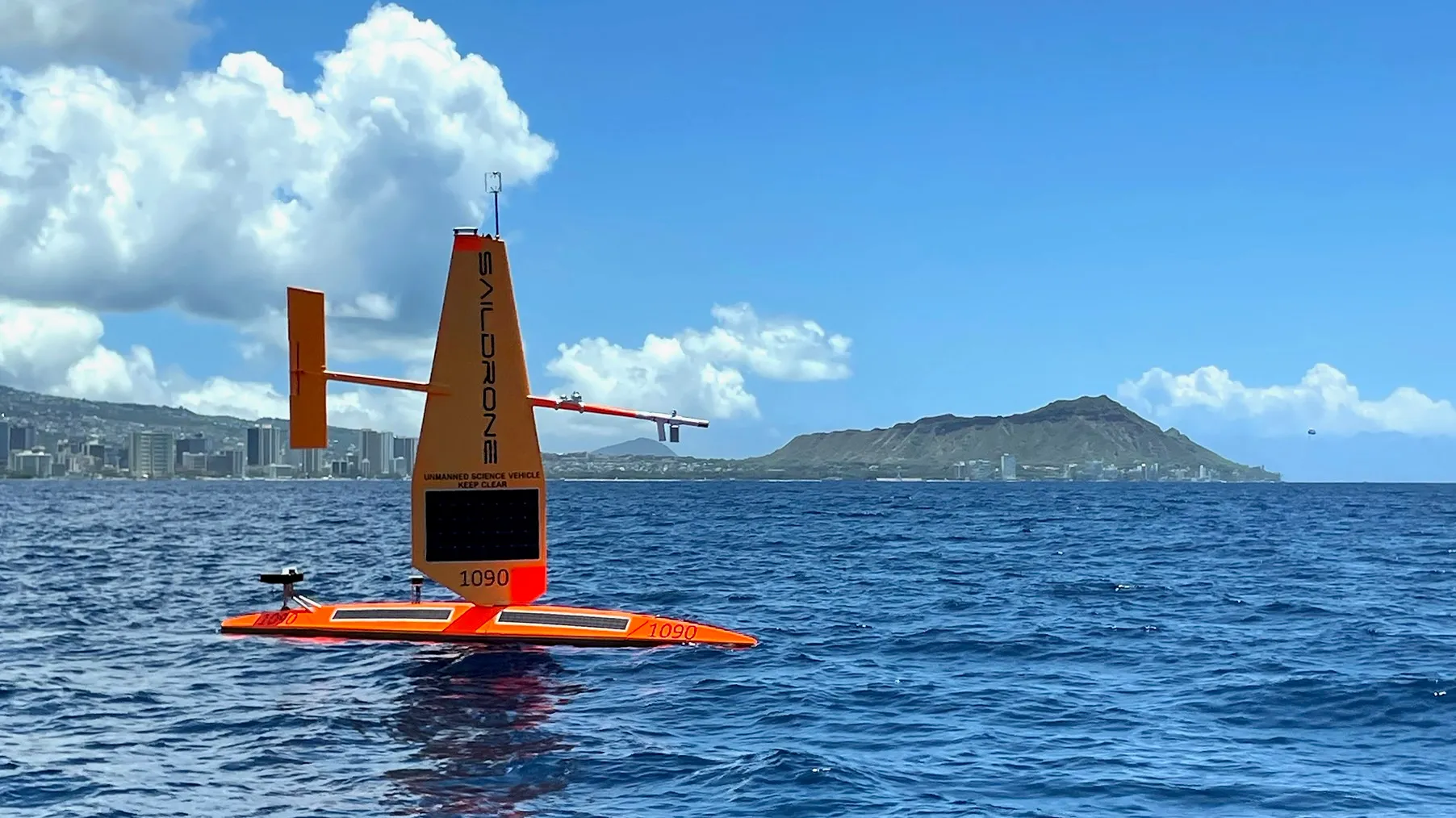
The National Oceanic and Atmospheric Administration (NOAA) recently projected a 75% chance that this event could outstrip prior El Niño occurrences since 1950. A fleet of autonomous Saildrone Explorers has been dispatched to study conditions in the equatorial Pacific. Their mission faced delays due to Hurricane Lowell, but they are now on course to collect critical data for the next five months. Meghan Cronin, a NOAA research oceanographer, notes this data will provide deeper insights into the El Niño phenomenon.
Historical Context
Michael McPhaden, a veteran in El Niño studies, recalls how unprepared the scientific community was during the 1982 El Niño. Modern advancements in observation technologies have vastly improved data collection and forecasting efforts today.
Innovations in Ocean Observation
The 23-foot long Saildrone Explorers are equipped with various sensors to measure oceanic conditions such as temperature and salinity. These unmanned vehicles play a vital role in expanding our understanding of ocean-atmosphere interactions that drive major weather events.
Research Goals
Researchers aim to pinpoint the short-term disturbances that trigger El Niño events. Interestingly, twin cyclones in the Western Pacific earlier this year were identified as catalysts for the current El Niño, alongside other phenomena like Kelvin waves and the Madden-Julian Oscillation.
Importance in Climate Change Studies
Experts stress the urgency of understanding El Niño’s relationship with climate change. El Niño and La Niña serve as natural regulators of our global atmosphere, with implications for extreme weather patterns influenced by climate shifts.
For more details on the ongoing research and forecasts regarding this El Niño event, visit NOAA and related scientific resources.


