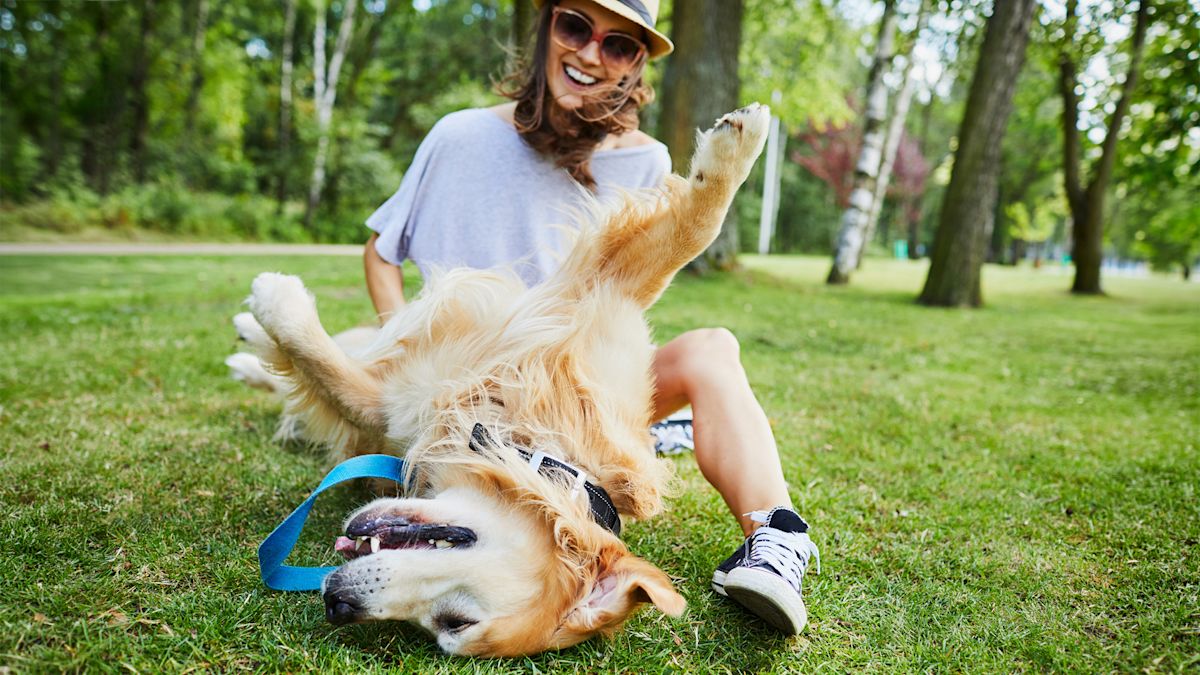
Understanding Your Dog’s Reflex Kicks
Have you ever noticed your dog’s leg kicking while you scratch them in a particular spot? It might seem like they’re enjoying it, but this instinctive action has a scientific explanation. Let’s dive into what’s really happening.
The Pruritic Scratch Reflex
When you scratch your dog in that “sweetspot” area—often on their flank—their leg kicks reflexively. This reaction is known as the pruritic scratch reflex. It’s a quick response bypassing the brain, connecting sensory nerves directly to the spinal cord.
- Sensory Input: When something touches that area—be it your hand or an irritating pest (like a flea)—sensory nerves relay this information straight to the spinal cord.
- Instant Reaction: The spinal cord quickly sends a signal back, causing the leg to kick out. This happens without any conscious thought, similar to how you instinctively withdraw your hand from a hot surface.
Function of the Reflex
This reflex acts as a defense mechanism. It’s designed to protect your dog from bites or irritants that might go unnoticed. Essentially, if a pest touches their skin, the dog’s leg kicks to shake it off, effectively increasing their chances of getting rid of an unwanted irritant.
Misunderstandings About Tickling
While the reflex can appear comedic—like your dog is enjoying a good tickle—it isn’t the same as being tickled for fun. In truth, this involuntary reaction might be more of an annoyance for them. Just as many humans don’t enjoy being tickled, your dog might not appreciate prolonged scratching in the same spot.
Signs to Watch For
If your dog reacts intensely anywhere you touch, or seems more sensitive than usual, it might indicate underlying issues, such as allergies or skin conditions. These can make areas of their body more reactive to touch.
To keep your bonding moments enjoyable, aim for areas not typically linked with the reflex—like their belly—and watch for signs that your dog is relaxed and happy. If they seem tense or uncomfortable, it’s best to stop.
Conclusion
Understanding the mechanism behind your dog’s leg kicks can enhance your pet interactions and prevent any potential discomfort for your furry friend. Enjoy those moments, but always be aware of their cues to ensure a happy and healthy pet relationship!