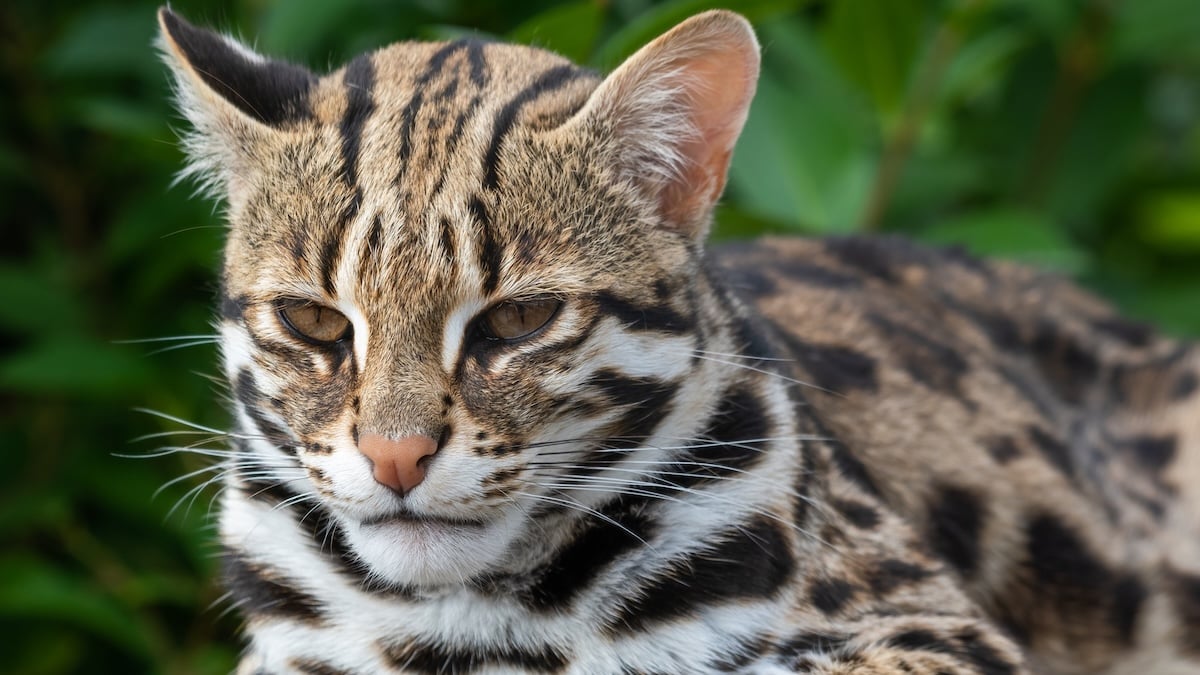
The isolated island of Tsushima in Japan is home to a critically endangered population of Tsushima leopard cats, with only about 100 individuals remaining. Recent observations have noted a concerning trait: the emergence of shorter tails in some individuals, a feature previously unrecorded in this species.
In 2024 and 2025, researchers identified three leopard cats with significantly shorter tails—around half the standard length. This anomaly raised concerns about potential hereditary or developmental issues, as independent causes like injuries seem unlikely given the multiple occurrences.
Worried about possible hybridization with local domestic cats, researchers conducted genetic analyses on a short-tailed leopard cat, comparing its genome with domestic cats and other leopard cats. Surprisingly, their findings revealed no evidence of this short-tailed cat being a hybrid; its genetic profile closely aligned with that of its species. This suggests that the short tails could stem from an unidentified genetic condition, despite inbreeding being a known factor for such abnormalities in small populations.
In light of these findings, researchers emphasize the need for further study to better understand whether these short-tailed individuals represent a singular genetic trait or various forms of tail abnormalities. The results, published in Global Ecology and Conservation, highlight the importance of monitoring these unique traits in the context of conservation efforts for the Tsushima leopard cat.


