Examining the personal motivations behind the key players in our current era of political turmoil, often referred to as Trump 2.0, provides valuable insights for understanding today’s events. This article is my attempt to capture the essence of the 2025 zeitgeist from this perspective, complementing previous analyses regarding whether Trump and his rivals are delusional, influenced by substances, or simply misinformed.
Before delving into the personal lives, motivations, and quirks of various American political figures, I want to address a critical issue that resonates with me, and millions of rural Americans, as well as thousands of small business owners.
Rural America: A News Desert Caused by Google
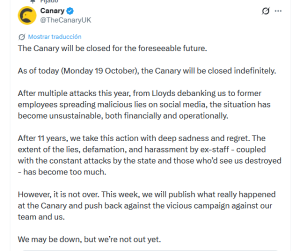
Let’s begin with systemic context that explains Trump’s significant influence over rural America: the ongoing decline of local news in many regions across the United States, as highlighted in a recent Axios article. This includes a personal revelation about my own experience:
— Nat Wilson Turner (@natwilsonturner) October 23, 2025
By the numbers: Half of the 136 newspaper closures in the U.S. over the past year were from independent, for-profit chains with five or fewer papers, as reported by Northwestern’s Medill School of Journalism. In contrast, only eight newspapers owned by investment firms shut down during the same period.
The warning about “news deserts” was first sounded a decade ago when private equity firms began consolidating local papers, but these closures heavily impacted suburban areas, where papers could be absorbed into larger city outlets. Less frequently affected were remote, independent publications.
Since then, more than one-third (38%) of the 8,891 newspapers that existed two decades ago have closed. Today, around 50 million Americans lack accessible local news.
While these statistics are alarming, one aspect that is often overlooked is the significant impact of Google’s monopolistic control on the online advertising landscape.
My Personal Story: Nat Wilson Turner (Formerly Kid Nate)
This issue resonates deeply with me, as it resulted in the collapse of a successful website I had managed since 2007. This forced me to sell at a loss and face unemployment in my 50s while supporting a family.
I shared my thoughts regarding this situation from my previous identity on social media:
Google executed this change in October 2023 with their “Helpful Quality Update,” targeting independently owned sites: pic.twitter.com/6VfZd2Oj1x
— Thoht, Doge of Wisdom (@KidNate) October 21, 2025
During the period from October 2023 to February 2024, as my website’s traffic and revenue dwindled, I recognized that Google’s Helpful Content Update was to blame. It later became apparent that the update targeted independent, non-corporate sites, aiming to redirect traffic to larger companies that had partnerships with Google for their AI ventures. For instance, a $60 million licensing deal with Reddit significantly boosted its traffic due to this shift.
Columbia Journalism Review discusses the implications of this deal:
Reddit has transitioned from being seen as a chaotic forum to a meaningful player in the media landscape, mainly due to its role as a supplier of user-generated content for AI companies. The $60 million licensing agreement with Google allowed real-time content access from Reddit’s forums, dramatically increasing its visibility in search results.
I was unaware of these developments until Housefresh published an article in February 2024 revealing the impact these changes were having on independent websites.
Google frequently updates its algorithms to enhance search quality, often leading to changing rankings where some sites improve while others decline. Housefresh closely monitors these updates, knowing they can significantly affect online visibility. The expectation was that Google’s adjustments would reward quality content created for readers, but this has proven inaccurate.
Many users have noticed that certain publishers consistently rank at the top of search results, raising concerns about fairness in the system.
— Nat Wilson Turner (@natwilsonturner) October 23, 2025
The article elaborates on how large corporate websites infested the product review sector without providing authentic reviews, leading to a decline in trust and standards. Various independent bloggers faced unprecedented challenges as Google’s algorithm changes continued to marginalize them, resulting in a wave of articles lamenting the fate of independent media.
The closure of these outlets has granted the powerful considerable freedom to pursue their own interests.
Shifting Focus: Understanding Trump’s Personal Motivations
Following up on my prior post, “Who’s Delusional, Who’s Drugged, Who’s Disinformed? It’s Hard to Tell,” I encountered a fascinating analysis by Russian news analyst John Helmer on Dialogue Works, which clarified several underlying motivations of Donald Trump that had eluded me.
Nima R. Alkhorshid: What are President Trump’s foremost concerns?
John Helmer: Historically, presidents prioritize their power. Trump particularly emphasizes converting that power into tangible wealth within his business ventures. The two main aspects for him are to turn political authority into money and to protect that power for future prospects.
Helmer further suggested that the considerable financial aid provided by NATO countries for arms to Ukraine opens avenues for potential personal gains for the Trump family, making peace agreements unlikely.
Trump’s Financial Maneuvering with the Justice Department
Trump exemplifies Helmer’s viewpoint with his unprecedented demand for about $230 million from the Justice Department as compensation for federal investigations into him, as reported by the New York Times. This situation is unparalleled in American history.
The extraordinary circumstance involves a former president who, while facing federal scrutiny, was elected and now directs the very government overseeing these claims. This scenario underscores significant ethical dilemmas, exacerbated by placing Trump’s former attorneys in key Justice Department roles.
Trump’s actions include submitting complaints related to rights violations stemming from investigations into Russian interference in the 2016 election and the FBI’s search for classified documents, leading to accusations of unjust prosecution.
Obama’s Cynicism: A Prelude to Trump
Trump’s overt corruption could not have flourished before 2016. The pervasive cynicism fostered by eight years of Barack Obama’s administration laid the groundwork for Trump’s support.
@shakingsheets
Everything becomes clear when considering what the average American has faced in recent decades through our political system.
In summarizing Obama’s past promises and subsequent failures, a sense of disillusionment has permeated the electorate, contributing to Trump’s ascent.
A Personal and Systemic Scandal: Dennis Hastert
We should consider the lesser-discussed scandals, such as that surrounding former House Speaker Dennis Hastert, a convicted sex offender. This ties into the broader polycrisis affecting the U.S. political landscape.
Dr. Aaron Good: Hastert’s individual crimes are insignificant compared to the structural violence perpetuated by the political system he was part of. While his actions are horrendous, they reflect only a portion of the systemic issues at play.
This raises troubling questions concerning political corruption and its effects on public perception, especially as the nation faces challenges both at home and abroad.
John Fetterman’s Personal Struggles: An Impact on Politics
Senator John Fetterman has recently been in the spotlight due to revelations about his mental health struggles, particularly following a stroke during his campaign in 2022. Former staffers expressed concerns about his erratic behavior, with one even warning that it could jeopardize his life.
The former chief of staff noted alarming changes in Fetterman’s behavior, saying, “If John stays on his current trajectory, he won’t be with us for much longer.”
Despite requiring assistance with communication due to his stroke, Fetterman remains a figure of interest in Pennsylvania politics, receiving mixed feedback from party members.
A New York Magazine article highlighted Fetterman’s initial appeal but noted that his circumstances and public perception have shifted, complicating his political future.
Fetterman’s candid acknowledgement of his mental health issues resonates with many but raises questions about how these challenges impact his ability to serve effectively.
This exploration aims to provide clarity around the motivations of those in power and the broader implications of their personal experiences on political dynamics. Understanding these layers can foster a deeper conversation about the state of our democracy and the factors that shape it.