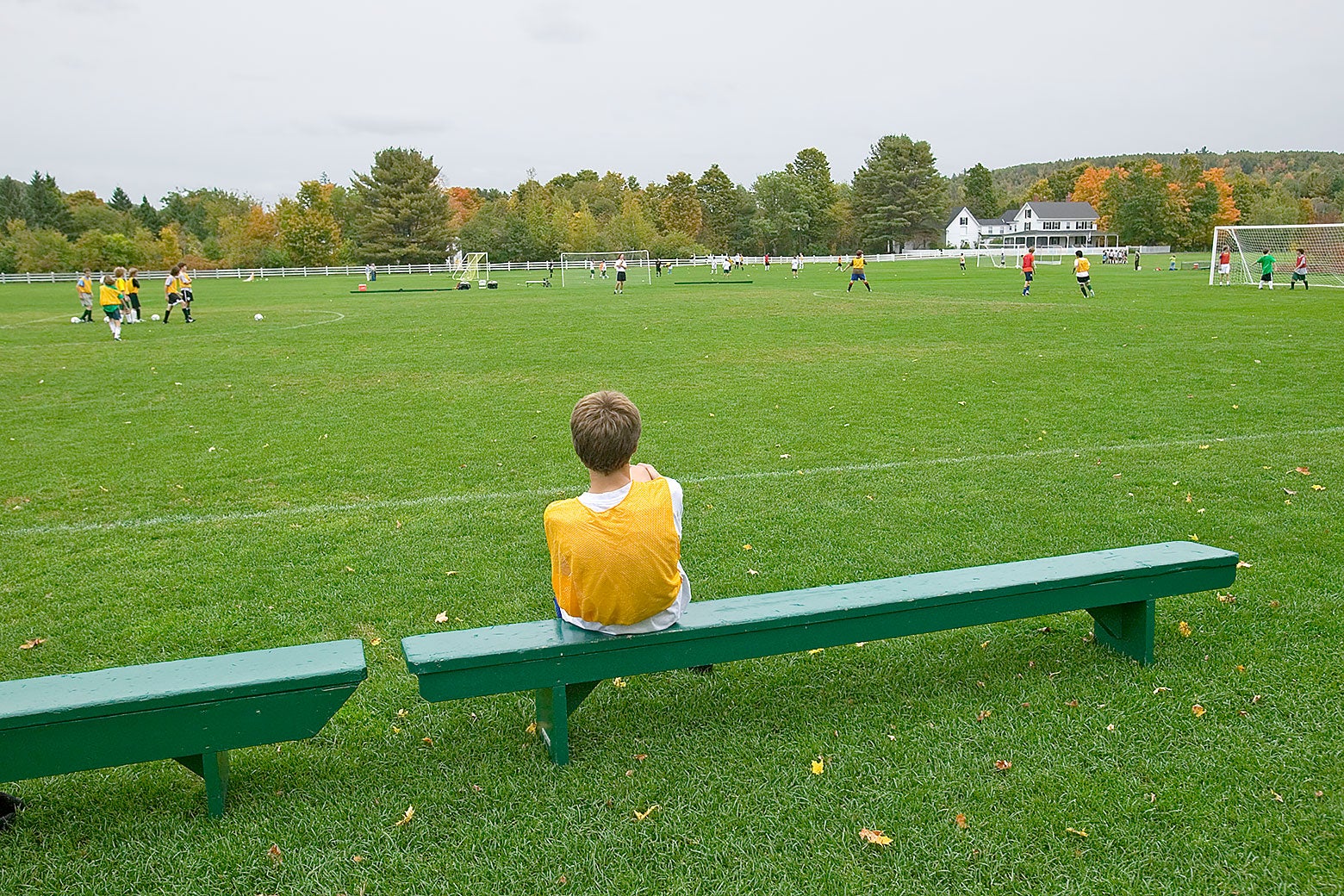
The influence of private equity on youth sports is becoming increasingly evident, reshaping both the landscape of sports and children’s social dynamics. In a recent piece by Caitlin Moscatello in New York magazine, the financial strain and significant time commitment associated with travel sports were highlighted. Families often find themselves dedicating vast amounts of time to sports activities, leading to a disconnection from traditional childhood experiences, such as neighborhood hangouts and summer camps.
Parents are expressing concern about how this affects friendships. Kids who aren’t involved in travel sports may struggle to maintain connections as their peers’ schedules fill up with practices and games. Anecdotal evidence suggests that even social gatherings, like birthday parties, are frequently impacted. A mother noted her son’s friend missing a gathering due to travel soccer commitments, illustrating a broader trend where sports schedules dominate and limit social interactions.
Research from Christopher Bjork indicates that children often sacrifice free time for schoolwork instead of enjoying social activities, with parents rarely allowing them to skip sports for friends’ events. This shift could lead to significant changes in how children form friendships, as travel sports encourage connections predominantly among athletes, often sidelining non-athletic peers.
Moreover, families investing in travel sports might not see the diminishing ties to non-sporting friends as a major loss, as they develop new social networks within their teams. However, a sociological perspective reveals that this shift may exacerbate class divides and narrow community interactions, as participation in travel sports often hinges on financial and logistical capacities. Ultimately, the contemporary youth sports model could be hindering children’s broader social development, raising questions about its socio-cultural implications going forward.