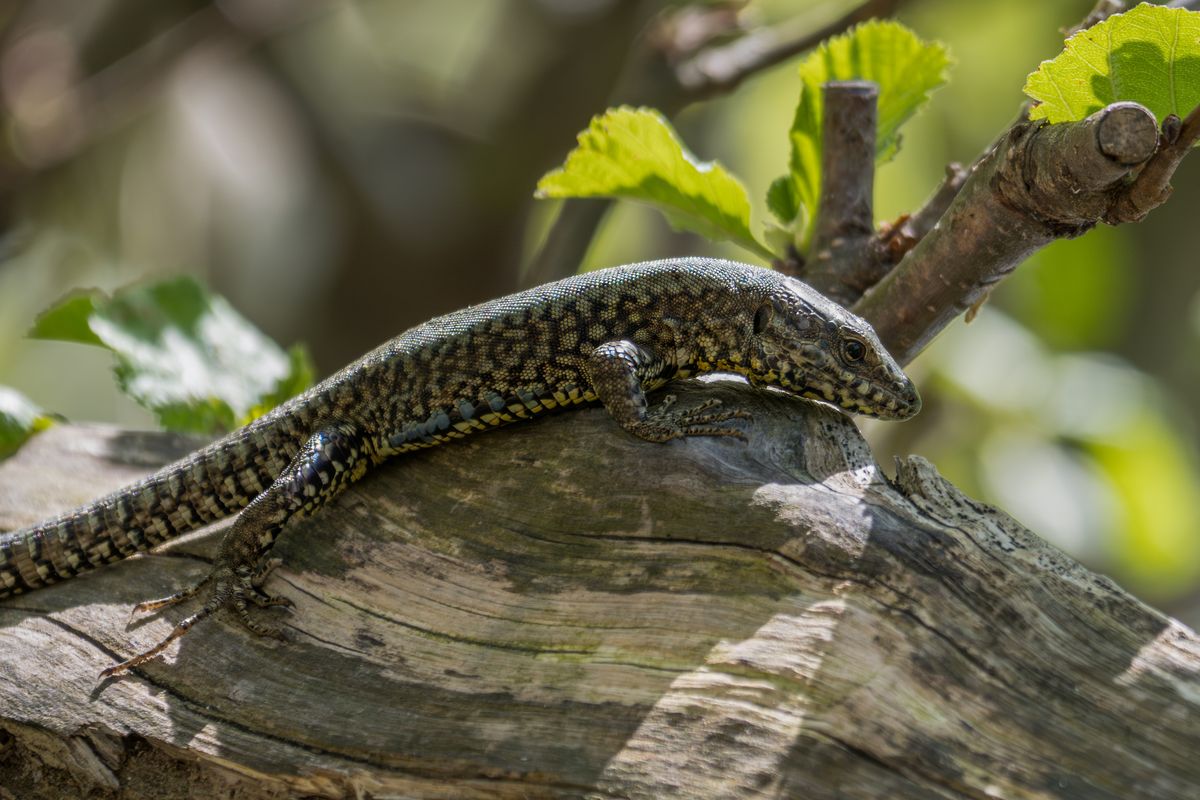
The fascinating evolution of Italian wall lizards after their relocation between two Adriatic islands illustrates rapid adaptive divergence in response to environmental changes. An initial study revealed significant dietary shifts, with lizards on Pod Mrčaru incorporating more plant matter—34% in spring and 61% in summer—compared to just 7% and 4% on Pod Kopište. Structural adaptations, such as stronger bites and cecal valves, facilitated this new diet.
Further studies expanded on these findings. A 2023 analysis linked head shape alterations to improved feeding mechanics, while a 2010 study suggested that changes in digestive efficiency might be plastic—responsive to immediate dietary conditions. The genetic analysis from 2023 detected reduced genetic variation but identified candidate regions potentially connected to adaptation.
This unique case study underscores the complexity of evolutionary mechanisms, revealing how diet, anatomy, and genetics intertwine to create lasting adaptations. The remarkable transformations of these lizards offer a rich narrative for ongoing research in evolutionary biology.