The Sun: Not So Special After All?
In the grand expanse of the universe, Earth isn’t the center of it all; we reside on a common planet, circling an ordinary star within a galaxy that is just one of countless others. This understanding stems from the Copernican principle, reminding us that our position in the cosmos isn’t unique. This principle has laid the groundwork for much of modern science by allowing us to draw universal conclusions without local bias.
However, recent astronomical studies suggest that the Sun may be more peculiar than previously thought. While it primarily consists of hydrogen, it appears to be deficient in certain elements—like titanium and chromium—compared to similar-sized stars. This raises questions about the Sun’s composition and its implications for planetary formation.
Missing Ingredients
The elements that the Sun lacks are known as refractory elements, which typically form solid materials even at high temperatures. This deficiency leads to speculation that it might provide clues about how our solar system was formed. If the Sun is short on the building blocks of planets, could it mean that stars rich in these elements might not host similar planetary systems?
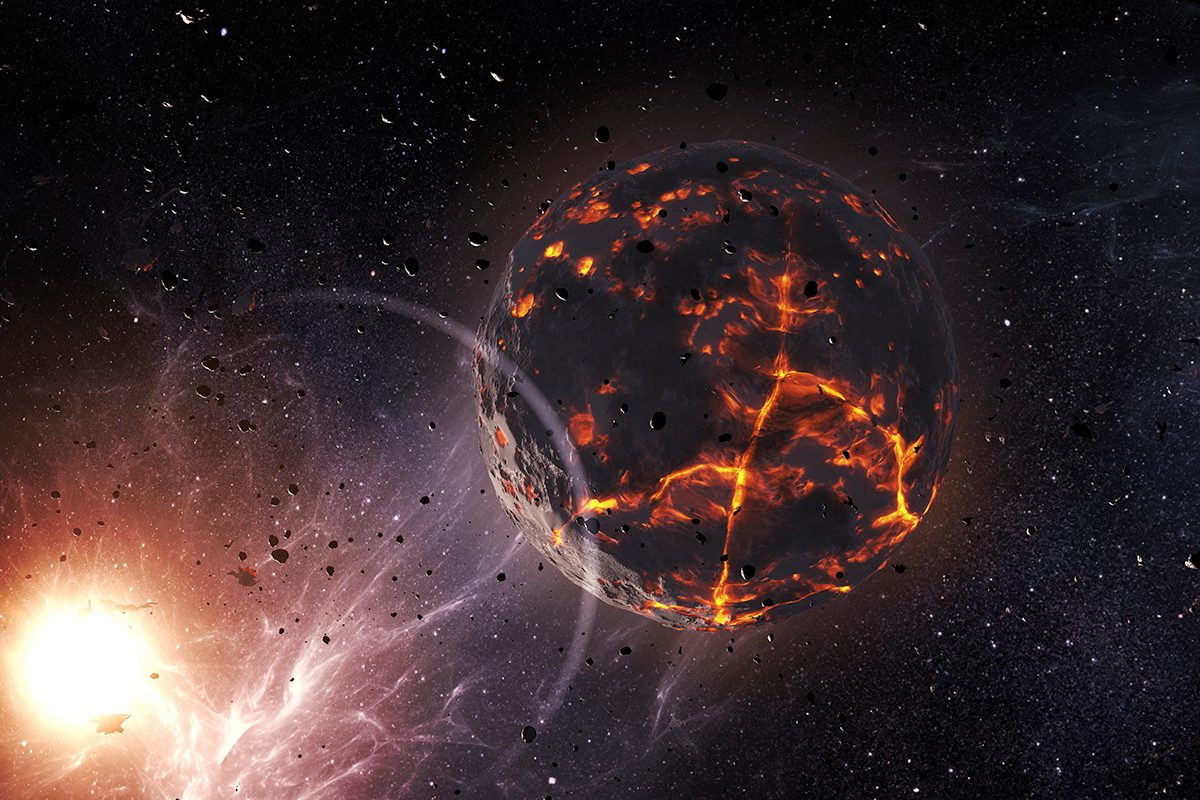
Some theories even suggest that stars with higher elemental abundance might have “consumed” their planets—adding those materials back into the stellar mix—implying that solar systems with such grim endings could be more common than stable systems like ours. Such findings spark concern for those hunting for life beyond Earth.
Closer Examination of the Sun’s Uniqueness
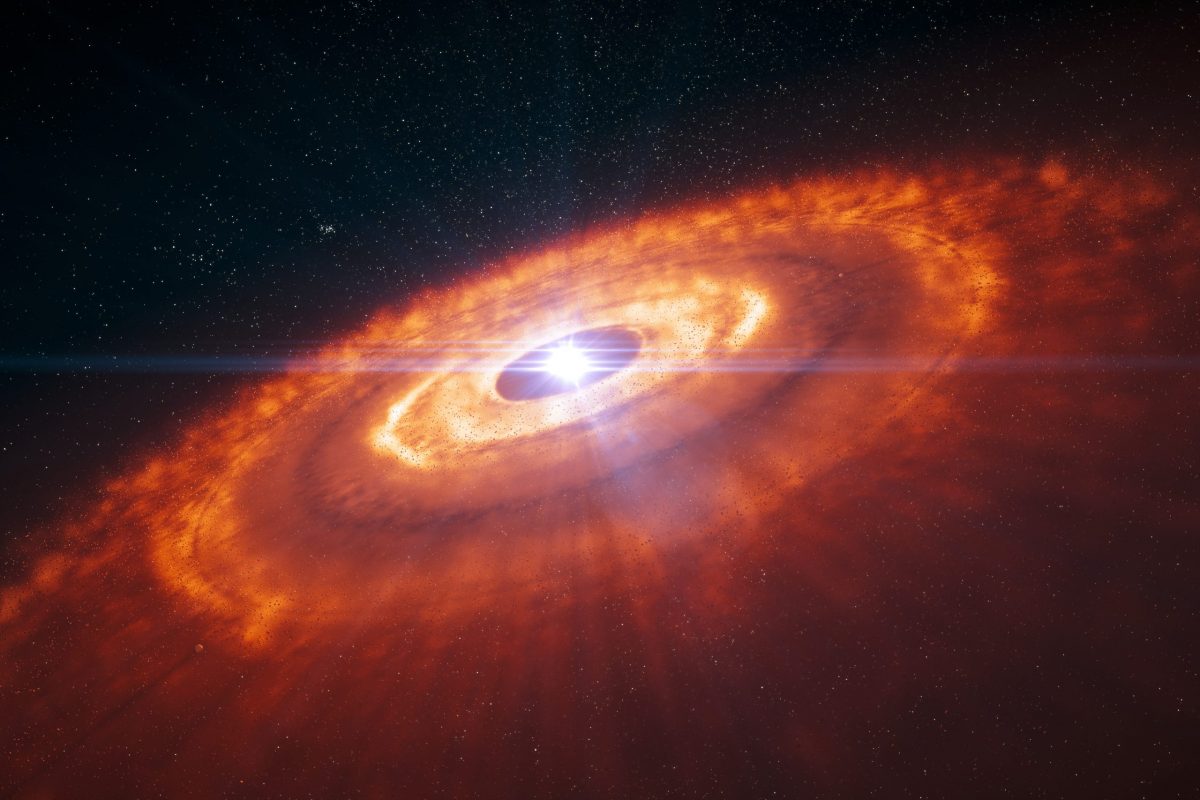
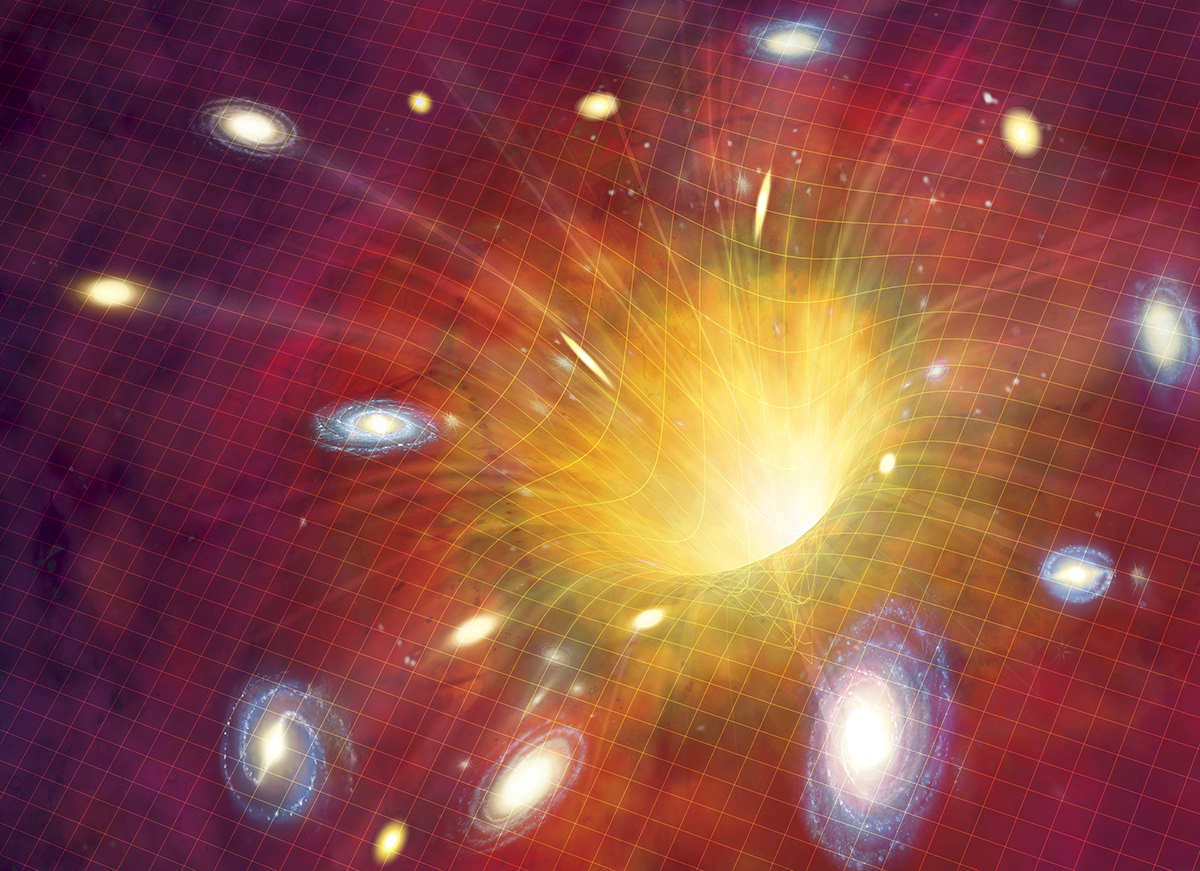
New research from a collaborative team in Australia, China, and the United States examined the data of 79 solar twins, factoring in the varying conditions of star formation throughout the galaxy. Given that the cosmos evolved post-Big Bang—first filled mostly with hydrogen and helium—subsequent generations of stars synthesized heavier elements. This process is not uniform, leading to varying elemental compositions in different regions.
When adjusting for this chemical evolution, it appears that approximately two-thirds of the elemental differences between our Sun and its “twins” diminish, suggesting that the Sun’s peculiarities may stem from its unique birth location rather than any fundamental differences.
Conclusion
The Sun’s unique chemical makeup reflects the local galactic history rather than anything extraordinary about the star itself. While much is now clarified, instances of planetary engulfment—where stars consume their planets—are still being observed in a few cases. Thus, while the Sun may not be as special as we once thought, the universe’s variety still holds mysteries that warrant further exploration.
For detailed insights, check out the original research by Mia Babatsikos et al. here.


