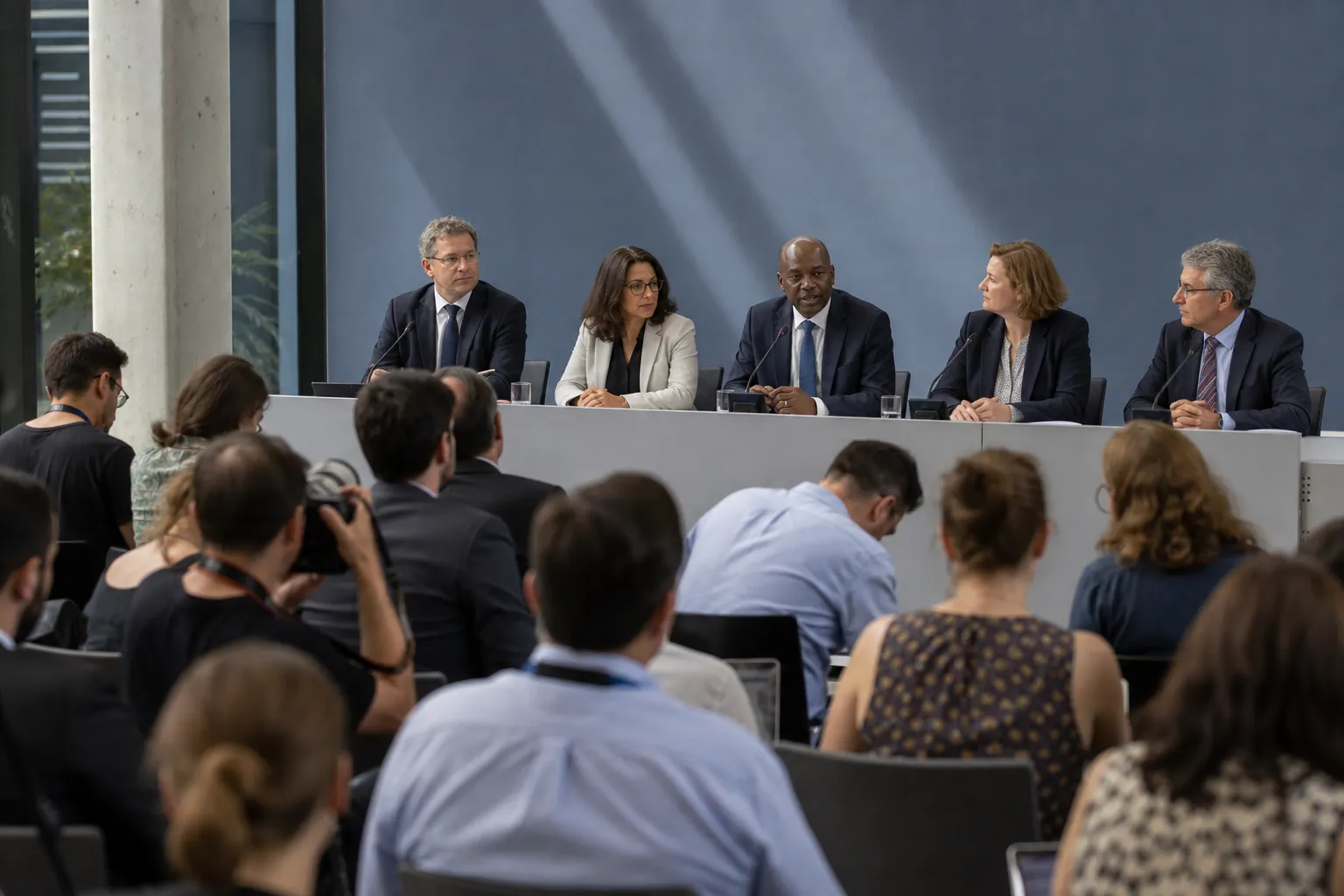
The recent UN climate talks in Bonn, Germany, have highlighted deepening rifts within the Climate Action Network International (CAN) regarding the Intergovernmental Panel on Climate Change (IPCC) and its influence on global climate policy. Key diplomats argue that climate science is facing significant scrutiny during negotiations. In response, Fiji’s chief negotiator, Sivenedra Michael, criticized CAN’s ECO newsletter, stating that it does not represent Fiji’s concerns about the pressure on scientific integrity.
A contentious point of discussion has been the timeline for the IPCC’s Seventh Assessment Report (AR7), which some countries, including India, Saudi Arabia, China, Russia, and Kenya, argue is too rushed. These nations assert that an accelerated timeline would burden resource-limited states and hinder their ability to contribute effectively.
Conversely, a coalition of nations, including Fiji, the EU, and Panama, argues that climate decisions should rely on the best scientific evidence available, including IPCC assessments. During the talks, representatives from Saudi Arabia and India also minimized the IPCC’s role in the global stocktake and resisted calls for studies that would evaluate the impact of exceeding the 1.5°C warming threshold.
Discussions around the fairness of the IPCC’s models are also prominent, with criticisms regarding their reliance on assumptions primarily from researchers in the Global North, which may not accurately represent the needs of poorer nations. Tasneem Essop, the Executive Director of CAN International, emphasized the importance of acknowledging each nation’s historical responsibility and equitable contributions to emission reductions and climate financing.
While some experts recognize the limitations of certain IPCC models, they also note ongoing efforts to address these biases in future assessments. CAN International continues to engage its 2,000 members across 130 countries in dialogue to find a balanced approach to these differing viewpoints.