Asia’s Wealthy Diversifying Investments
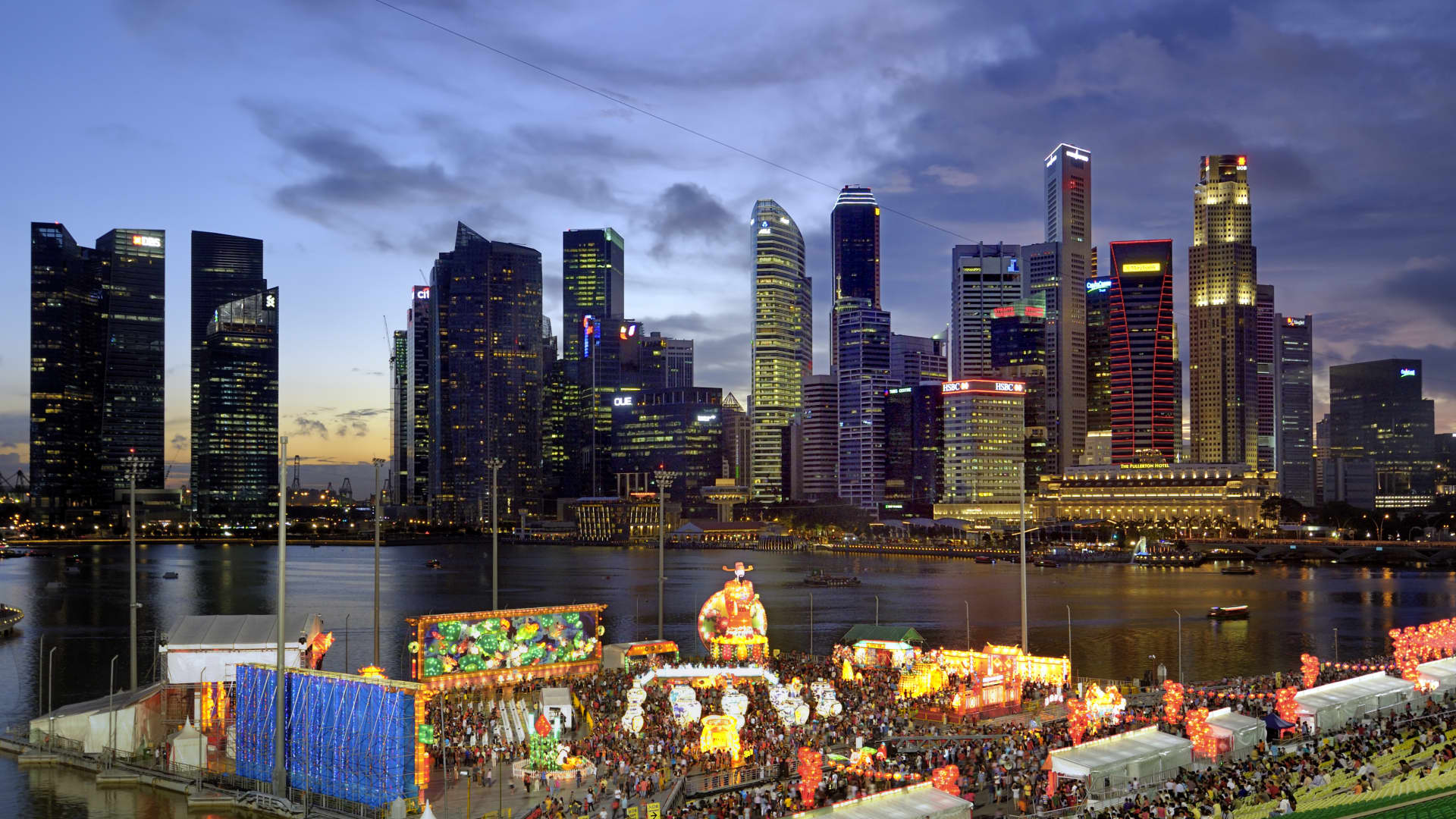
Singapore’s Financial District:
The picture depicts the bustling financial district of Singapore, home to major banks like HSBC, Maybank, and UOB.
Interest in New Asset Classes
Alvin Lee, CEO of Malayan Bank Bhd in Singapore, notes that Asia’s ultra-rich are increasingly exploring new asset classes. Wealthy individuals are looking beyond traditional investments to include physical assets like real estate and precious metals.
Lee highlighted that “gold’s rise in price” is a testament to its appeal as a store of value. Although gold prices have dipped from record highs, they remain significant, with forecasts predicting a rise due to central bank purchases.
Embracing Innovation
Lee also observed a shift towards more innovative investment options, especially among younger investors. There’s a growing openness to digital assets and cryptocurrencies as wealth transfers from older to younger generations.
Singapore: A Safe Haven
Lee emphasized Singapore’s continued appeal for offshore wealth. With ongoing conflicts in the Middle East, there’s been a noticeable return of capital from Dubai to Singapore, along with a surge in physical gold shipments.
Singapore benefits from its stable government, strong intellectual property protections, and tax advantages, making it a preferred destination during regional and global crises.
Chinese Investment in Malaysia
Lee pointed out a trend of wealthy Chinese investing in Malaysia, attracted by more favorable valuations compared to Singapore. Cities like Kuala Lumpur, Malacca, and Penang are becoming increasingly popular for real estate investments among affluent Chinese nationals.
Overall, as investment patterns shift in Asia, the ultra-wealthy are diversifying their portfolios while seeking stability and growth opportunities in emerging markets.