The Evolution of BIM: A Critical Look at Revit and Its Rivals
Understanding the Current Landscape of BIM Solutions
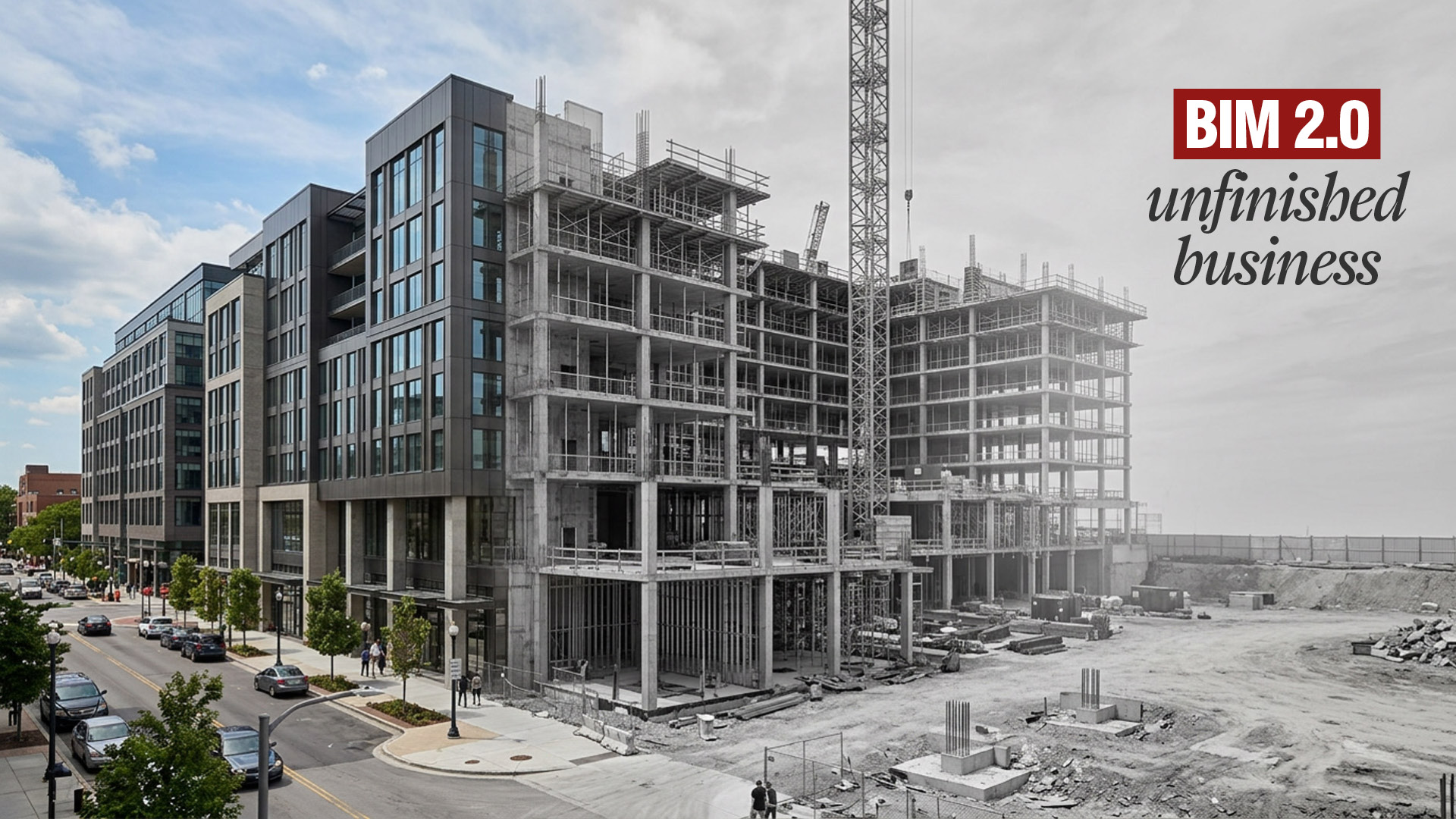
In the world of architecture and design, Revit has long been the dominant player in Building Information Modeling (BIM). However, architects have voiced significant concerns over its performance, cost, and usability. This sentiment has paved the way for emerging alternatives, often referred to as BIM 2.0 applications, like Motif, Snaptrude, Qonic, and others. These newcomers aim to rethink BIM through cloud computing and artificial intelligence (AI), providing innovative solutions to long-standing issues.
The Historical Context of Revit’s Development
Revit’s journey began with numerous functional limitations. It has taken nearly 26 years to reach its current state, during which countless features were added based on user feedback. The critical question arises: should we hold new competitors to the same high standard right out of the gate?
The Challenge for BIM 2.0 Developers
Developers entering the BIM marketplace today must contend with a massive legacy of features and workflows established around Revit. Architects have built intricate ecosystems, incorporating scripts, libraries, and best practices over the years. While new platforms cannot fully replicate this functionality, they may offer workflows that could enhance the design experience, particularly in early-stage projects and competitions.
Factors to Consider for Adoption
Moving to a new platform requires assessing more than just feature completeness. Key factors to consider include:
- Documentation Capabilities: Many BIM 2.0 tools struggle with producing comprehensive construction documentation.
- Interoperability and Export Options: Users must understand how easy it is to migrate data to and from these platforms.
- Vendor Stability: Startups in the BIM space may face risks related to commercial terms and service reliability.
Building a Collaborative Future
For these new tools to truly innovate, they need real-world feedback from users who are willing to take risks. The message here is clear: use these technologies in real projects, even if they’re not fully polished. Collaborating with developers can drive innovation and help them create solutions that actually solve the problems architects face.
The Need for Competitive Pressure
The current scenario shows that Autodesk, the parent company of Revit, has its own set of challenges. There is a continuous demand for improvements while customers express dissatisfaction with cost structures and licensing models. New entrants do not need to replicate every feature of Revit; they simply need to be credible alternatives that can further push Autodesk to enhance their offerings.
Conclusion
The advent of BIM 2.0 tools represents an exciting opportunity for architects and the design industry at large. Engaging with these emerging solutions can catalyze the development of a more competitive landscape, enabling better options for users. Investing in these technologies now could illuminate the path towards more innovative practices in architecture and construction, benefiting everyone in the ecosystem.
Explore BIM 2.0 Software Links
By investing time and resources into exploring these new platforms, the architectural community can shape a future where innovation thrives alongside established practices.