Summary of the Controversy Surrounding Flock Safety’s Surveillance Technology
City governments and retail giants are currently facing backlash over their contracts with Flock Safety, a company providing surveillance technology including automated license plate readers (ALPR). Critics argue that this technology poses a threat to privacy, especially for women, after instances where it has been misused for surveillance.
Key Points:
-
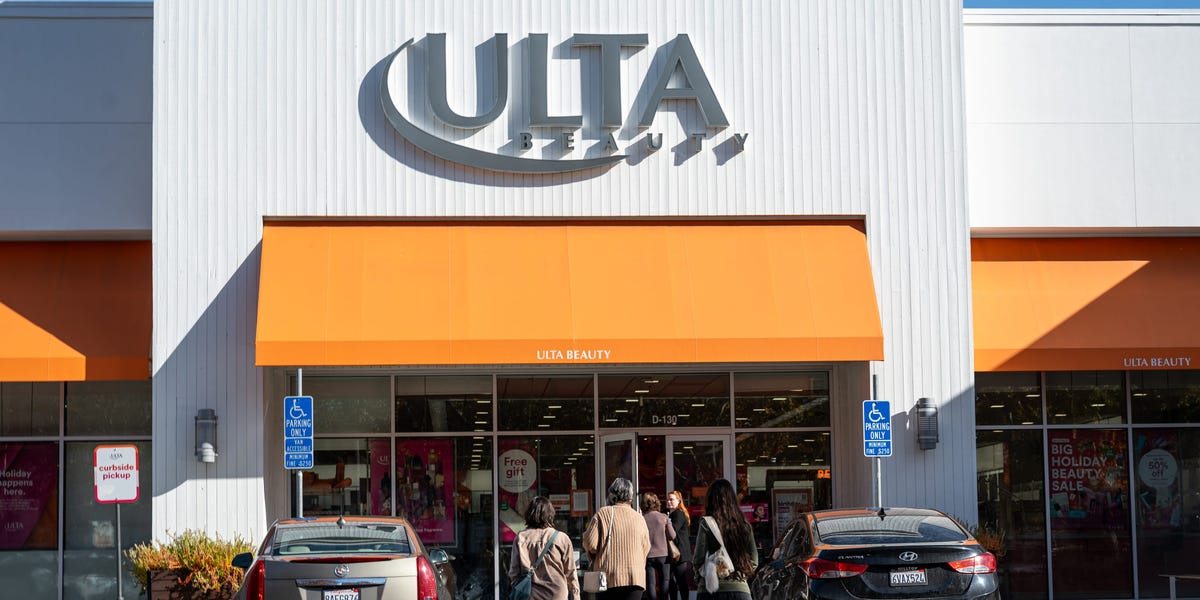
Public Backlash: There is growing public pressure on companies like Ulta Beauty and Lowe’s to end their contracts with Flock due to concerns over privacy and potential misuse of surveillance data.
-
Customer Concerns: Rachel LaPointe, a social media influencer, expressed her discontent, highlighting how Flock’s systems have been used to track women.
-
Minimization by Brands: Ulta stated that Flock cameras are deployed in less than 1% of its stores to aid in criminal investigations, particularly related to organized retail theft.
-
Technological Flaws: Investigations revealed that Flock’s technology has misread license plates, leading to wrongful pursuits by law enforcement.
-
Abuse Cases: Reports surfaced of former deputies misusing Flock’s data to track individuals they knew, further emphasizing the need for stringent oversight.
-
Government Actions: Some city governments have reassessed or terminated their contracts with Flock due to rising privacy concerns, with Florida’s Department of Transportation announcing a ban on Flock’s technology from state roads.
-
Activism in Response: Advocacy groups like Ultraviolet and Fight for the Future have launched campaigns urging retailers to drop Flock, citing dangers of normalizing surveillance and infringing on individuals’ rights.
-
Public Engagement: These petition drives have garnered thousands of signatures, indicating widespread public concern over surveillance practices.
Conclusion
Criticism of Flock Safety highlights a broader societal debate about the balance between security measures via surveillance technology and the fundamental right to privacy, particularly as these technologies become more integrated into everyday life.