The Surprising Benefits of Mucor racemosus: A Gut Fungus That May Protect Against Radiation
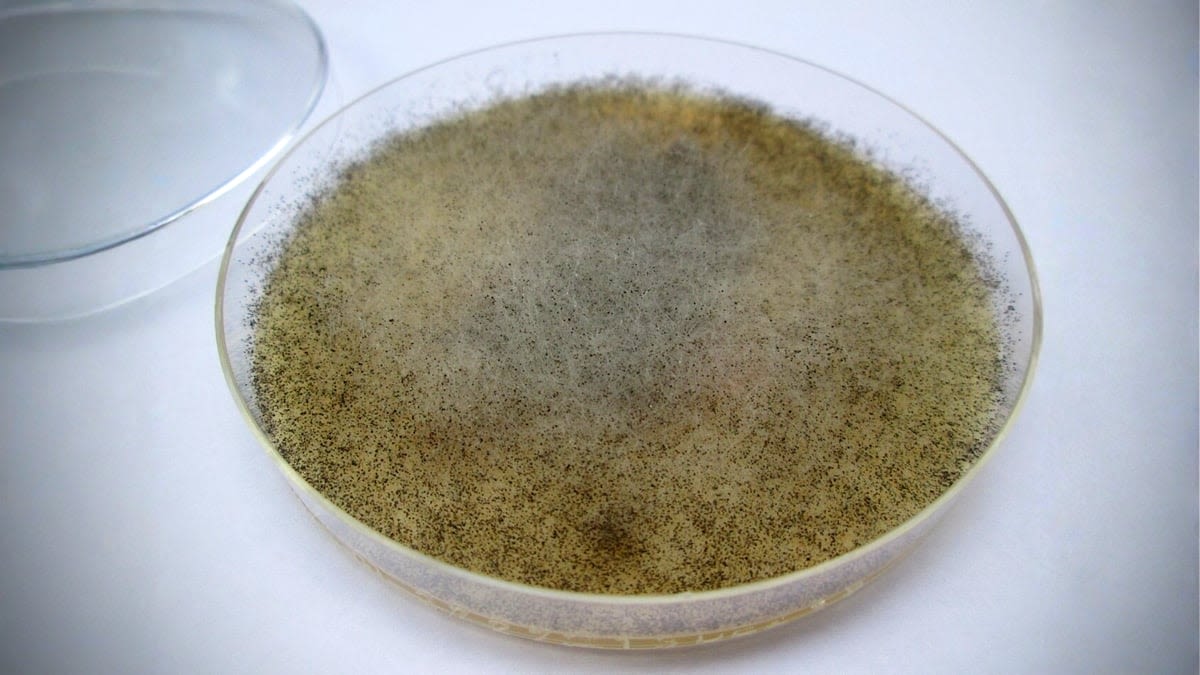
Mold typically isn’t something you’d want in your body, but the fungus Mucor racemosus might change that viewpoint. Recent research published in PNAS suggests that this gut-dwelling fungus could offer protection from radiation.
Fascinating Fungal Traits
While it may sound incredible, Mucor racemosus isn’t the only fungus known for its unusual relationship with radiation. Certain fungi can withstand doses of radiation significantly higher than what would be fatal to humans. For example, some species can survive 200 times the fatal human dose of X-rays.
Another interesting category, known as radiotrophic fungi, can even utilize radiation as an energy source, as seen in the environment surrounding the Chernobyl disaster.
How Mucor racemosus Works
In the new study, scientists from China discovered that Mucor racemosus can confer protection from radiation through several mechanisms:
- In experiments, mice exposed to radiation showed less weight loss, inflammation, and oxidative stress when given Mucor racemosus.
- Germ-free mice, devoid of other microorganisms, also experienced reduced markers of radiation damage after administration of the fungus, indicating its protective capabilities.
Researchers concluded that M. racemosus alleviates radiation-induced intestinal injury directly.
The Secret Sauce: Amino Acids and Methylthioadenosine (MTA)
The protective effects of Mucor racemosus can be attributed to:
-
Three amino acids it produces: L-glutamic acid, L-aspartic acid, and DL-lysine, which aid in DNA repair and recovery of intestinal tissue post-radiation.
-
Methylthioadenosine (MTA), a compound that modulates the growth of the bacterium Limosilactobacillus reuteri, enhancing its production of methionine, another compound linked to increased radiation protection.
Practical Applications
In practical experiments, mice given cheese fermented with Mucor racemosus had significantly reduced intestinal inflammation and improved barrier integrity compared to those fed cheese without the fungus.
Future Considerations
While this research opens the door for further exploration into the health benefits of Mucor racemosus, caution is advised, especially for immunocompromised individuals. The fungus is already FDA-approved for dietary use and naturally occurs in some fermented foods.
Conclusion
This study not only highlights the potential of Mucor racemosus as a radioprotective agent but also encourages a broader understanding of filamentous fungi’s role in health and disease management. Further studies are required to fully analyze how this fungus could be integrated into dietary or medicinal frameworks.
For more details, you can refer to the research published in PNAS.