The Complications of Sugar Substitutes and Sorbitol’s Risks
Recent research sheds light on the metabolic effects of sugar substitutes, particularly sorbitol, raising concerns about their health implications. While marketed as healthier alternatives to refined sugar, these substitutes may not be as harmless as once thought.
Sorbitol and Fructose Connection
Sorbitol, often found in “low-calorie” candies and naturally in some fruits, is noted to be “one transformation away from fructose.” This implies that sorbitol can be metabolized into fructose, which poses similar health risks, particularly regarding liver function and metabolic disorders.
Metabolism and Gut Interaction
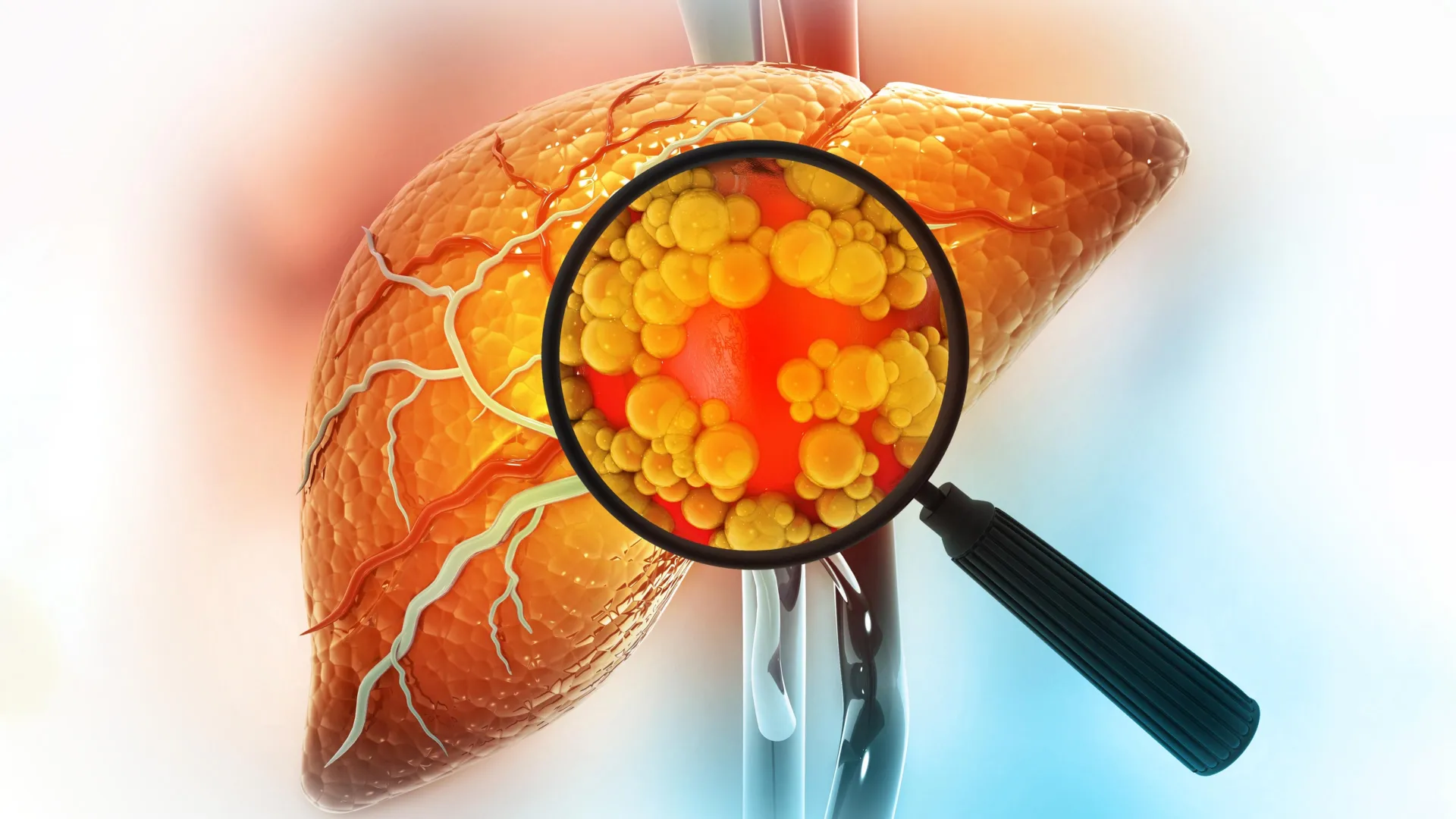
Researchers conducted experiments using zebrafish to trace sorbitol’s journey in the body. It was uncovered that sorbitol can be produced in the intestine from glucose, independent of direct dietary intake. Gut bacteria play a critical role in metabolizing sorbitol; certain beneficial bacteria can break it down into harmless byproducts. However, if these bacteria are absent or overwhelmed, sorbitol can accumulate and progress to the liver.
Risk Factors from Sorbitol Consumption
- High Glucose Levels: Elevated blood glucose, often seen in diabetes, can enhance sorbitol production.
- Bacterial Influence: The presence of sorbitol-degrading bacteria is crucial. Without sufficient levels, sorbitol may not be efficiently processed.
- Overwhelming Intake: Excessive consumption of glucose or sorbitol can overwhelm beneficial bacteria, leading to increased sorbitol levels in the body.
Implications for Health
- Many individuals, especially those trying to avoid sugar, may choose sugar-free products without fully understanding the metabolic consequences of substitutes like sorbitol.
- Sorbitol, a member of the sugar alcohol family, is often thought to simply pass through the system without significant effects. This study challenges that assumption, indicating potential metabolic consequences.
Conclusion
In summary, replacing refined sugar with alternatives like sorbitol does not guarantee a healthier outcome. The intricate connections among gut bacteria, sorbitol metabolism, and liver health highlight the need for cautious consumption of these substitutes. As noted, “there is no free lunch” in searching for sugar replacements—awareness of their metabolic pathways is vital for informed dietary choices.