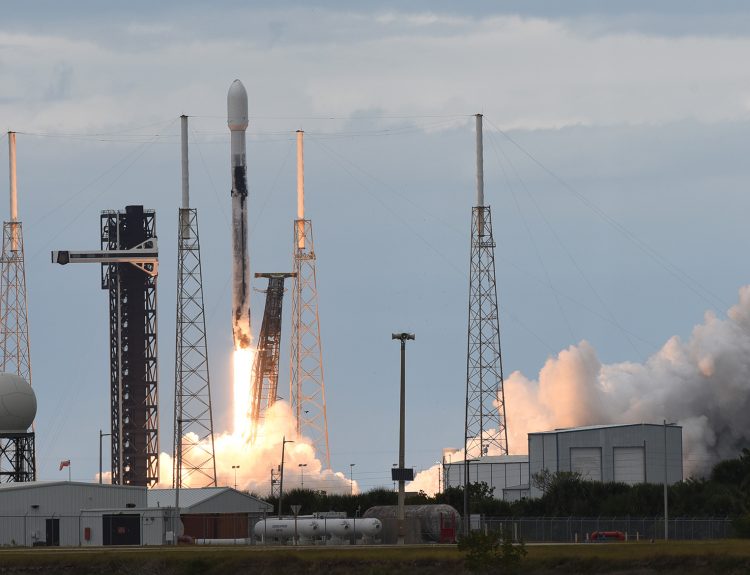
A recent U.S. Air Force cargo flight from New Zealand to Antarctica had to turn back due to a warning about potential Russian space activity and debris over the southern Indian Ocean. A Federal Aviation Administration Notice to Airmen (NOTAM) issued on August 10 indicated that “Russian aerospace activities will take place” starting August 14, which raised concerns about possible debris in flight paths.
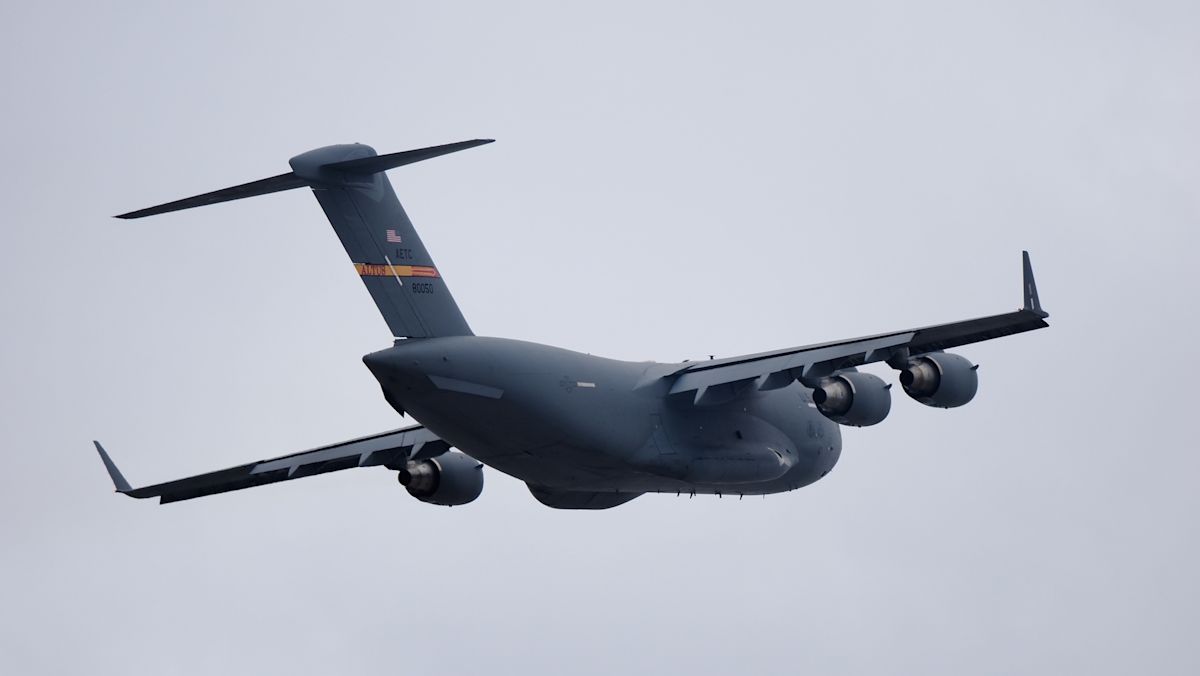
The C-17 Globemaster left Christchurch Airport on August 18 bound for McMurdo Station but returned after two hours after receiving a caution from the Russian Air Traffic Management Corporation regarding “space activity, potentially hazardous to aviation.” Specific details about the Russian activity were not disclosed, and the Air Force did not comment on the flight’s turnaround.
Such precautions are not unprecedented; past incidents of falling rocket debris have led to airspace closures, including a significant incident in November 2022 involving a Chinese rocket. As space launch activity increases, experts warn of rising risks associated with uncontrolled reentries of debris, estimating a 26% chance of such occurrences in busy airspaces.
The turnaround of the Antarctica-bound flight underscores the necessity for effective communication and hazard management in aerospace, emphasizing the need for better space traffic coordination and debris management as launch activities proliferate.