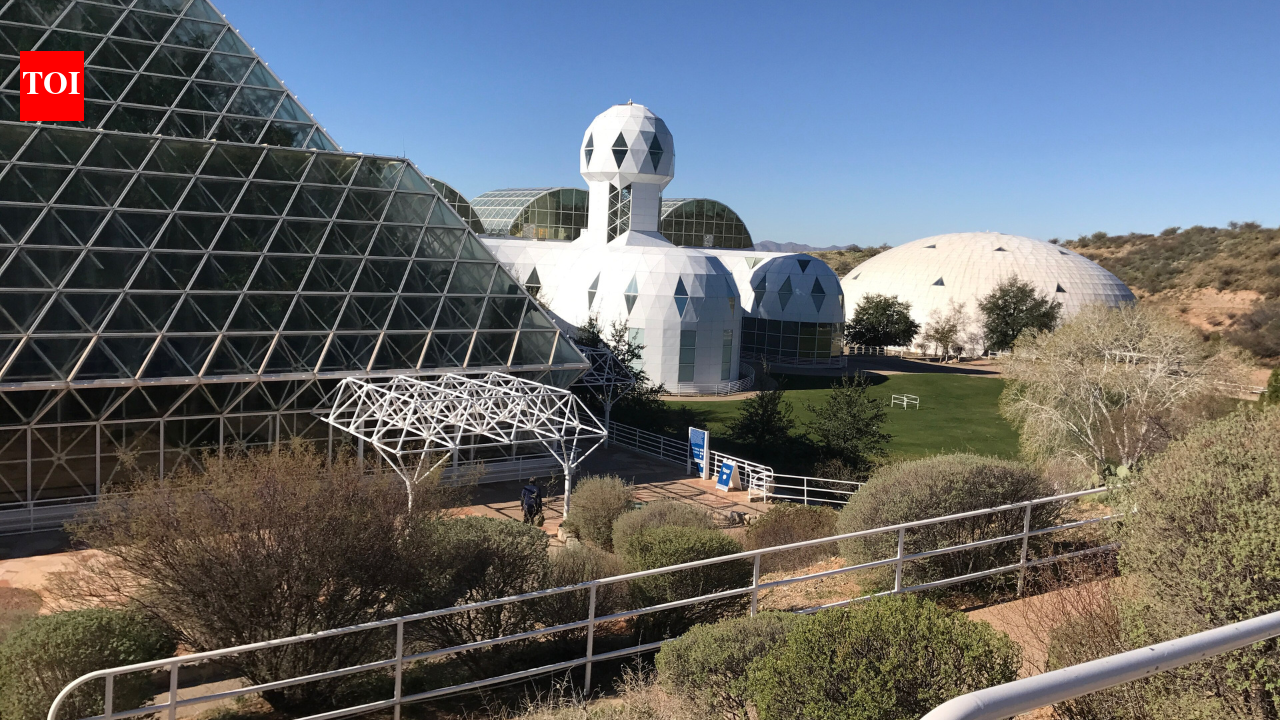
In 2019, scientists conducted a fascinating experiment at Arizona’s Biosphere 2, simulating an artificial drought in the rainforest biome. Over approximately 9.5 weeks, they halted rainfall to observe the ecosystem’s response to this controlled drought.
Here’s a summary of the key findings:
Experiment Overview
- Purpose: To study the effects of drought on a rainforest ecosystem.
- Method: Water supply was turned off; rainfall resumed after two months.
Findings
-
Carbon Storage: Initially, carbon storage dropped by about 70% due to the drought stress.
-
Water Use Strategies:
- Some trees quickly reduced water consumption when the upper soil dried.
- Others continued to use water from deeper reserves, only resorting to these during the most severe drought conditions.
- Plant groups varied in their drought responses, contributing to the ecosystem’s resilience.
-
Microbial Interaction: Soil microbes affected plant material emissions, influencing atmospheric chemistry.
Recovery Phase
- Once water was reintroduced, the ecosystem began to recover. However, not all plants reverted to their original behaviors at the same pace, demonstrating diversity in recovery strategies.
Key Takeaways
- Understanding the distinct strategies employed by different plant species offers insights into resilience during extreme drought conditions.
- The experiment highlighted the challenges of studying natural forests, where multiple variables complicate observational studies.
Overall, the B2-WALD project provided valuable insights into drought impacts on forest ecosystems, crucial for understanding climate resilience.