The Evolution of Dining: Individual Choices vs. Communal Connections
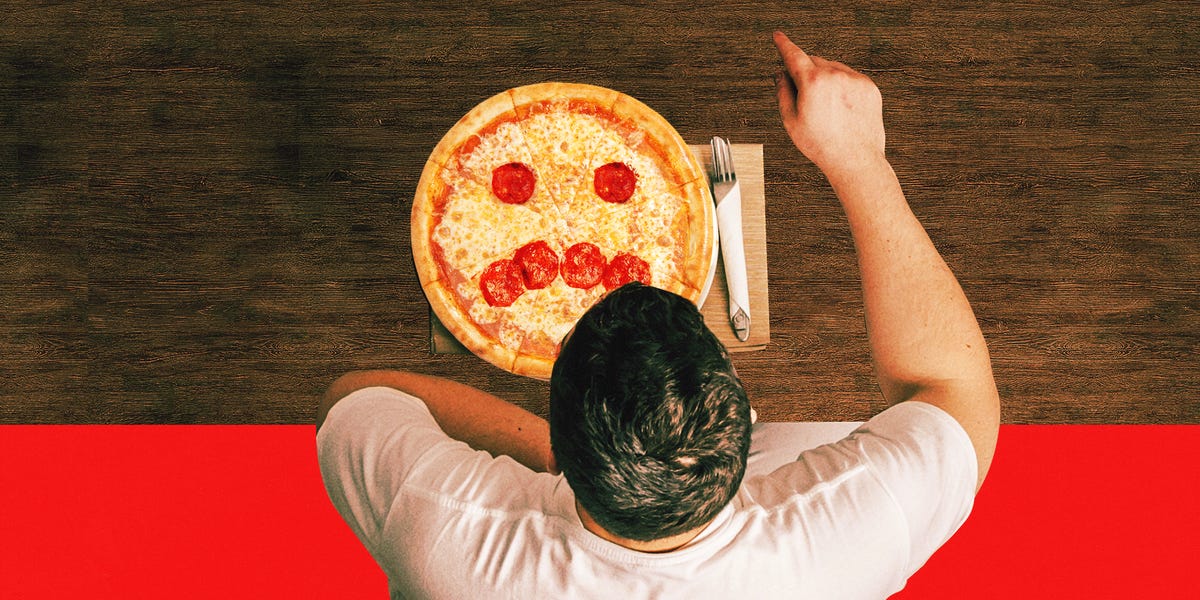
In recent years, the landscape of dining has shifted dramatically, reflecting broader social trends and individual preferences. Domino’s announcement of their new “truly personal pizza” encapsulates a larger movement towards customization in food—a response to an increasing number of people eating alone. According to the Bureau of Labor Statistics, as of 2023, over a quarter of Americans spend most of their eating and drinking time alone, a significant increase from 2008.
As restaurants and delivery services evolve, consumers have more options than ever, allowing them to dodge the traditional constraints and sacrifices associated with shared meals. Features from companies like DoorDash enable group orders from different restaurants, promoting individual choice even in communal settings.
Shared Meals and Social Bonds
Despite the convenience of personalized meals, experts argue that the act of sharing food fosters social bonds. Research shows that individuals who share meals often build stronger connections and trust. For example, studies have demonstrated that pairing individuals to share appetizers can lead to better negotiation outcomes, suggesting that the minor inconveniences of shared dining encourage attentiveness to others’ needs.
Emily Stewart’s piece highlights that while the individualization of food choices caters to personal preferences, it may also undermine the collective enjoyment and bonding that comes from communal meals. “Everyone choosing their own specific adventure may lead to a trade-off between long-term social connection and short-term convenience,” explains behavioral scientists. This conflict highlights the complexity of modern eating practices, where social norms and technological conveniences coexist, often at odds.
The Challenges of Modern Eating
Modern dining isn’t straightforward. People now face dietary restrictions, allergies, and personal preferences that complicate meal planning. The luxury of choice can lead to stress and anxiety around social dining, particularly for those with specific dietary needs. Studies reveal that individuals with food restrictions may feel self-conscious or anxious about how they are perceived by others during shared meals.
Moreover, as the dynamics of dining shift, so does the associated etiquette of splitting bills and navigating food preferences within a group. The increasing use of payment apps has transformed this experience, allowing for precise and convenient financial arrangements. However, this also raises questions about the emotional impact of transactional interactions.
Moving Forward: Balancing Individuality and Community
In navigating this modern dining landscape, finding a balance between individual preferences and communal experiences is key. Encouraging shared meals, where individuals might make slight compromises for the sake of group cohesion, can foster stronger relationships. The act of eating the same dish or sharing an experience, even if the choices are not perfect for everyone, underscores the value of togetherness.
As society continues to reflect on the implications of our dining choices, it’s crucial to consider not just what we eat, but how we eat together—recognizing the social and emotional dimensions of shared meals as essential components of community. Whether it’s a pizza night or a potluck gathering, there’s value in choosing connection over isolation, even in our increasingly personalized world.