Lake Sturgeon Lifespan Extended: New Insights from Recent Study
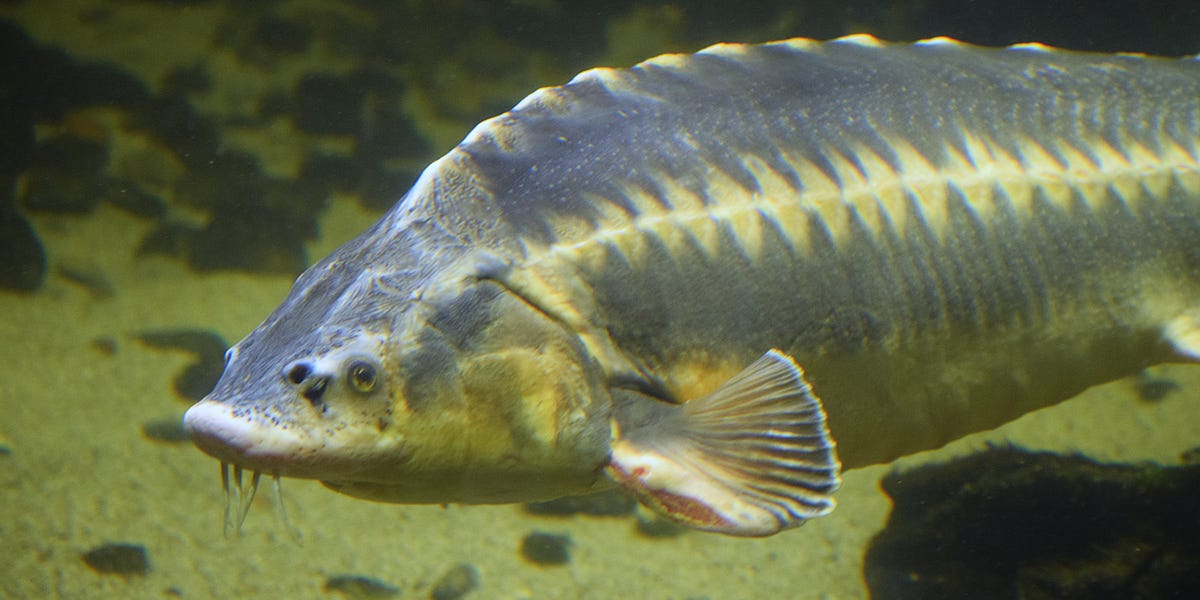
A recent study has unveiled startling revelations about the lake sturgeon, one of North America’s oldest freshwater fish species. Traditionally thought to live up to 150 years, researchers now believe these remarkable creatures may actually live for over 400 years, dramatically altering our understanding of their lifespan.
Key Findings:
-
Growth Ring Analysis: Scientists typically estimated sturgeon age by counting growth rings in their pectoral fin spines. However, these rings become indistinguishable as the fish age, leading to underestimations.
-
New Research Methodology: By examining 44 years of data on sturgeon capture and growth patterns, researchers, led by Edward Baker and other collaborators from various universities, utilized a method inspired by age estimation practices used for Greenland sharks.
-
Life Span Projections: The study indicated that individual lake sturgeons might reach ages of 200, 300, or potentially even longer than 400 years, challenging previous scientific consensus and emphasizing the importance of their conservation.
Historical Significance:
Lake sturgeons have been around for nearly 150 million years and connect us to significant historical narratives, as emphasized by researcher Scott Colborne. The research underscores their longevity, suggesting they are a crucial species for understanding ecological history and biodiversity.
Conservation Efforts:
Thanks to extensive conservation efforts, the U.S. has witnessed increased sturgeon spawning in their traditional habitats. Understanding their true age complements these efforts, helping conservationists ensure the survival of this ancient species for future generations.
In summary, the lake sturgeon continues to captivate researchers with its longevity and ecological significance, offering insights into the resilience of species over millennia.